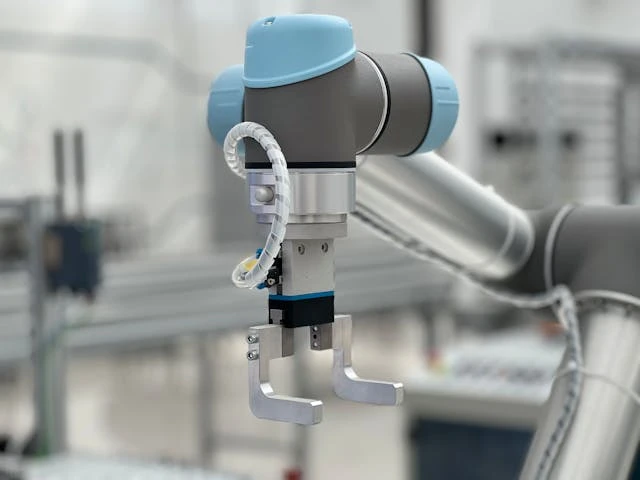

Photo Source: Pexels
Mechanical efficiency is not a single switch to flip. It is the result of countless small decisions that reduce friction, prevent wasted motion, and keep components operating in their sweet spots. In modern factories, those decisions play out across drives, guides, frames, controls, and maintenance habits. The good news is that many efficiency wins come from practical changes you can begin to apply on your next design or scheduled downtime, not from exotic technology.
Start With the Friction You Can See
Efficiency begins where parts touch. Any place that slides, rolls, or pivots is an invitation to either smooth motion or creeping losses. Walk the machine path and list contact points in plain terms. Belt on pulley. Carriage on rail. Screw nut on shaft. For each, confirm alignment, surface condition, and lubrication method. Replace hard corners with small radii where belts turn. Add simple wipers or shields to keep grit off raceways. Swap thick, sticky grease in low-speed assemblies for a modern, lighter formulation that still protects but does not drag. These are small moves, yet they often deliver the best return because they act at the source of energy loss.
Choose Transmission Components That Fit the Job
Power transmission is where intent becomes motion, so right sizing matters. If the axis must deliver repeatable positioning throughout long shifts without eating power, consider a high‑efficiency ball screw that pairs low friction rolling contact with a lead that matches your speed and force needs. In lighter or longer travel applications, a belt drive can reduce mass and sound while keeping acceleration crisp. For very long strokes that still need accuracy, a rack and pinion with proper lubrication channels can be a smart compromise. The principle is simple. Match the component to the work, avoid overspecifying stiffness where it is not needed, and avoid under spec that forces motors to work harder than necessary.
Lighten What Moves and Stiffen What Should Not
Machines waste energy when they accelerate mass that does not contribute to the task. Start by trimming weight from moving stages and end effectors. Switch steel brackets to aluminum or composite where loads allow. Use pocketed plates rather than solid slabs. Shorten cable runs and add local distribution to reduce the number of long, heavy loops. At the same time, keep frames and mounting points stiff so motion happens where it is intended. A light carriage on a flimsy beam is not efficient, it is wobbly. In many cases, adding a cross brace or moving a mount two inches can reduce deflection enough to cut settling time and power draw between moves.
Let Controls Do Their Part
Mechanical choices set the stage, but controls write the script. Smooth motion profiles reduce current peaks, heat, and wear. Replace square moves with s‑curve or jerk‑limited profiles that bring speed up and down without sudden hits. Use auto‑tuning or model‑based gains to keep loops tight without fighting the structure. If an axis repeats the same short move all day, consider a small dwell to let vibrations die before the next cycle. For lines that change recipes often, save and reuse motion profiles that you know are gentle on the machine. These software level decisions cost nothing in hardware and often produce visible power savings along with better part quality.
Design for Cleanliness and Quick Care
Dirt, oil, and coolant are the enemies of smooth motion. Efficiency falls fast when contamination turns thin oil into paste or when dried coolant adds drag. Choose covers, bellows, and brushes that are easy to wipe and hard to ignore. Place lube points where a tech can reach them without climbing. If a rail or screw lives near a messy process, add a simple deflector that sheds spray away from the moving line. Small sight windows and wear indicators invite quick checks that keep surfaces protected and rolling elements happy. The less time operators spend wrestling with panels and tools, the more likely routine care will happen on schedule.
Standardize Parts to Minimize Downtime
A machine that is efficient on paper but sits idle waiting for a unique spare is not efficient in practice. Where you can, standardize key components across cells and models. Use common nut sizes, rail widths, and motor frames. Keep a short, realistic list of spares in a labeled cabinet, and replace what you use at the end of each week. Document torque values and sequence steps on one page and store it right at the point of use. When parts are easy to swap and instructions are clear, teams restore optimal mechanical conditions quickly, which keeps energy use and scrap in check.
Watch the Data That Signals Real Losses
Not every metric deserves a chart, but a few do. Monitor current draw on the main axes, temperature at critical bearings, and cycle time trends on your most repetitive moves. A slow rise in current or heat often signals extra friction or misalignment long before a fault. A small drift in cycle time may reveal an overshoot that requires extra settling. Review these data with the crews who run the equipment and ask for their observations. Their notes about new noises, small lags, or fresh residue often explain the data and lead directly to fixes that bring efficiency back.
Think in Systems, Not in Silos
It is easy to optimize one part of a machine and shift losses somewhere else. A very stiff coupling might help a motor feel great but send vibration into a tool holder that now needs more settling time. A very light end effector might flex under load and require slower moves to keep accuracy. Bring mechanical, electrical, and controls voices together when you chase efficiency. Test changes in small increments, watch for side effects, and keep what makes the whole cycle better, not just one graph.
Build a Habit of Small Improvements
The biggest gains often come from a steady stream of small wins. During each planned stop, pick one axis or mechanism and make one improvement. Add a deflector to a messy zone. Replace a heavy bracket with a pocketed one. Refine a profile that hits too hard at the end. Then measure the result. Over a quarter, those changes compound into noticeably lower energy use, calmer motion, and fewer interventions.
Conclusion
Mechanical efficiency is not reserved for brand new machines or breakthrough inventions. It grows from practical choices about friction, motion, mass, stiffness, cleanliness, parts strategy, and the way people care for the equipment. When those choices line up, automated systems move with less effort, produce more consistent work, and give operators and technicians a calmer day. The payoff is real. Less energy consumed, fewer stops, and more time spent making good parts.






























Sign in to leave a comment.