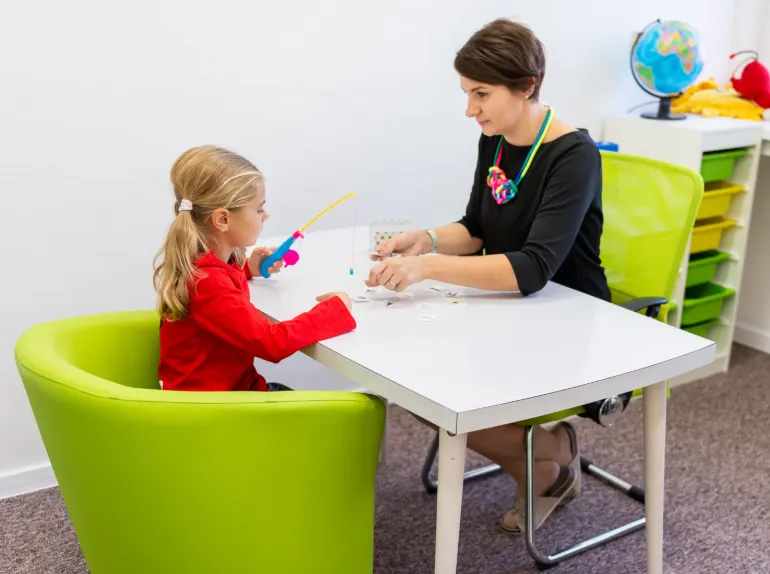

Everyday Tasks Can Feel Much Harder Than They Appear
Motor planning is the brain’s ability to organise, sequence, and carry out physical movements. For many children, this process happens naturally. However, some children struggle to plan and coordinate their movements, making ordinary daily tasks far more challenging. A qualified children's occupational therapist can often identify these difficulties early and provide strategies that support smoother movement and independence.
Children with motor planning difficulties may appear clumsy, slow, distracted, or resistant to physical activities. Because these signs are subtle and often mistaken for behavioural issues, many children do not receive support until the challenges begin affecting learning, confidence, and social participation.
Signs That Often Go Unnoticed at Home and School
Difficulty Following Physical Instructions
A child with motor planning challenges may struggle to copy actions or follow instructions involving movement. Tasks such as putting on shoes, climbing playground equipment, or participating in sports may seem confusing or overwhelming.
Teachers and parents sometimes assume the child is not paying attention when, in reality, the brain is having trouble organising the movement sequence.
Delays in Self Care Skills
Simple daily routines can become frustrating. Children may have trouble with:
- Buttoning shirts
- Using cutlery
- Brushing teeth
- Tying shoelaces
- Packing school bags
These activities require coordinated planning between the brain and body. When this process is disrupted, the child may avoid the task altogether.
Trouble Learning New Movements
Children with strong motor planning skills usually improve with repetition. Those with difficulties often need extra time, demonstrations, and physical guidance to complete new tasks confidently.
They may struggle with dance routines, handwriting patterns, or even learning how to ride a bicycle. The challenge is not always physical strength but rather the ability to organise movements correctly.
Why Motor Planning Issues Are Commonly Misunderstood
Symptoms Can Resemble Other Challenges
Motor planning difficulties are frequently confused with laziness, poor behaviour, or lack of motivation. Some children are labelled as careless simply because they bump into objects, drop items, or avoid activities requiring coordination.
In classroom settings, these children may appear inattentive because they need more time to process physical tasks. Without proper assessment, the root cause can remain hidden for years.
Children Learn to Mask Their Struggles
Many children become skilled at avoiding activities that expose their difficulties. They may choose quiet games instead of sports or ask others for help rather than attempting tasks independently.
Over time, this masking can make the issue less obvious to adults. Parents may only notice the problem when academic demands or social expectations increase.
Focus Often Stays on Academic Performance
Schools commonly prioritise literacy and numeracy concerns. If a child performs reasonably well academically, physical coordination issues may receive less attention.
Yet motor planning impacts more than movement. It also affects concentration, confidence, organisation, and participation in group activities.
How Motor Planning Affects Emotional Wellbeing
Increased Frustration and Anxiety
Children who constantly struggle with everyday movements may become frustrated easily. Tasks that seem simple for peers can feel exhausting and embarrassing.
Repeated failure may lead to anxiety around sports, classroom participation, or social events. Some children avoid trying new activities because they fear making mistakes.
Reduced Confidence in Social Situations
Play is a major part of childhood development. When children cannot keep up physically, they may withdraw from peer interactions.
Difficulty catching a ball, joining games, or navigating playground equipment can impact friendships and self esteem. Over time, this may contribute to feelings of isolation.
Emotional Outbursts During Demanding Tasks
Children with motor planning challenges sometimes appear emotional or oppositional during transitions or physical activities. This reaction often comes from overwhelm rather than defiance.
Understanding the emotional impact behind the behaviour is essential for providing effective support.
The Connection Between Motor Planning and Learning
Handwriting Difficulties
Motor planning plays a major role in handwriting. Children may struggle with letter formation, spacing, pencil grip, or writing speed.
Even when they know the correct answer, putting thoughts onto paper can become physically draining. This may affect academic performance and classroom participation.
Challenges with Classroom Routines
School routines require constant movement planning. Packing bags, changing for sport, moving between classrooms, and organising materials all depend on coordinated motor skills.
Children with difficulties may appear disorganised or forgetful because these routines require extra mental effort.
Difficulty Participating in Group Activities
Group tasks often involve observing, processing, and responding quickly. Children with motor planning issues may struggle to keep pace during games, music activities, or classroom exercises.
As a result, they may hesitate before participating or avoid group settings entirely.
How Occupational Therapy Supports Motor Planning Development
Building Coordination Through Structured Activities
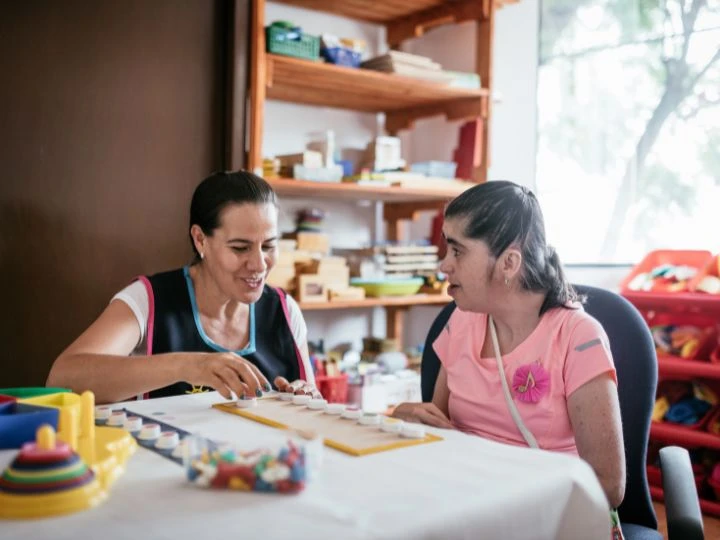
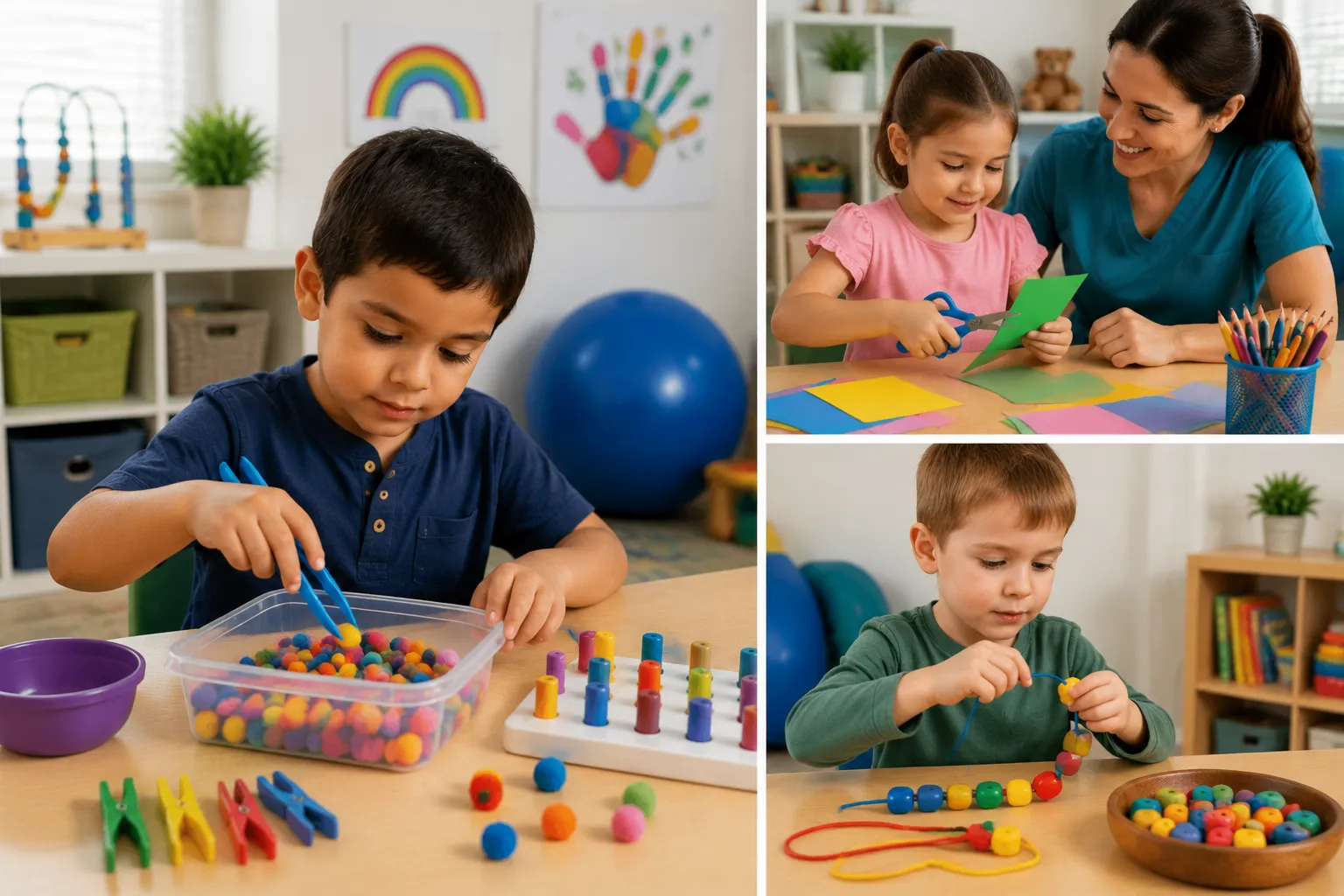
A children's occupational therapist uses targeted activities to strengthen motor planning skills in a supportive environment. Therapy often includes obstacle courses, balance exercises, fine motor tasks, and sensory activities designed to improve movement sequencing.
Sessions are tailored to the child’s unique strengths and challenges, allowing gradual improvement without pressure.
Improving Independence in Daily Tasks
Occupational therapy helps children develop practical skills for everyday life. Therapists break complex movements into smaller, manageable steps so children can learn tasks more confidently.
This approach supports independence in dressing, eating, writing, and school participation.
Strengthening Confidence Through Success
One of the most important outcomes of therapy is improved confidence. As children experience success in physical tasks, they become more willing to participate in activities they once avoided.
Positive reinforcement and achievable goals help reduce frustration and encourage resilience.
Strategies Parents and Teachers Can Use
Give Extra Time for Physical Tasks
Children with motor planning difficulties often need more processing time. Rushing can increase stress and mistakes.
Allowing extra time for dressing, writing, or transitions can make a significant difference in performance and confidence.
Use Visual and Physical Demonstrations
Showing a task step by step is usually more effective than giving verbal instructions alone. Visual cues and hands on guidance can help children understand movement patterns more clearly.
Encourage Practice Without Pressure
Repeated practice is important, but pressure can lead to avoidance. Focus on progress rather than perfection and celebrate small achievements consistently.
Create Predictable Routines
Structured routines reduce uncertainty and help children prepare mentally for movement based tasks. Familiar sequences make activities easier to process and complete.
FAQs
What causes motor planning difficulties in children?
Motor planning difficulties can be linked to developmental delays, sensory processing challenges, neurological differences, or coordination disorders. Every child experiences these challenges differently.
At what age can motor planning issues be identified?
Signs can appear in early childhood, especially when children begin learning self care skills, playground activities, and classroom routines.
Can motor planning improve with therapy?
Yes. With consistent support and targeted intervention, many children improve their coordination, confidence, and ability to complete daily tasks independently.
When should parents consult a professional?
Parents should seek guidance if a child regularly struggles with coordination, avoids physical activities, becomes frustrated during movement tasks, or falls behind peers in daily skills development.





























Sign in to leave a comment.