

We’ve all had those weeks—or even months—where it feels like we are just barely keeping our heads above water. You’re reacting to crises, putting out fires at work, and managing household chaos. In psychology, this is known as survival mode.
While survival mode is a brilliant adaptive mechanism for short-term emergencies, living there chronically takes a massive toll on your nervous system.
The Cost of Living on Autopilot
When survival mode becomes your default settings, your brain’s emotional center (the amygdala) stays on high alert. You might notice:
- Hyper-reactivity: Snapping at small inconveniences or loved ones.
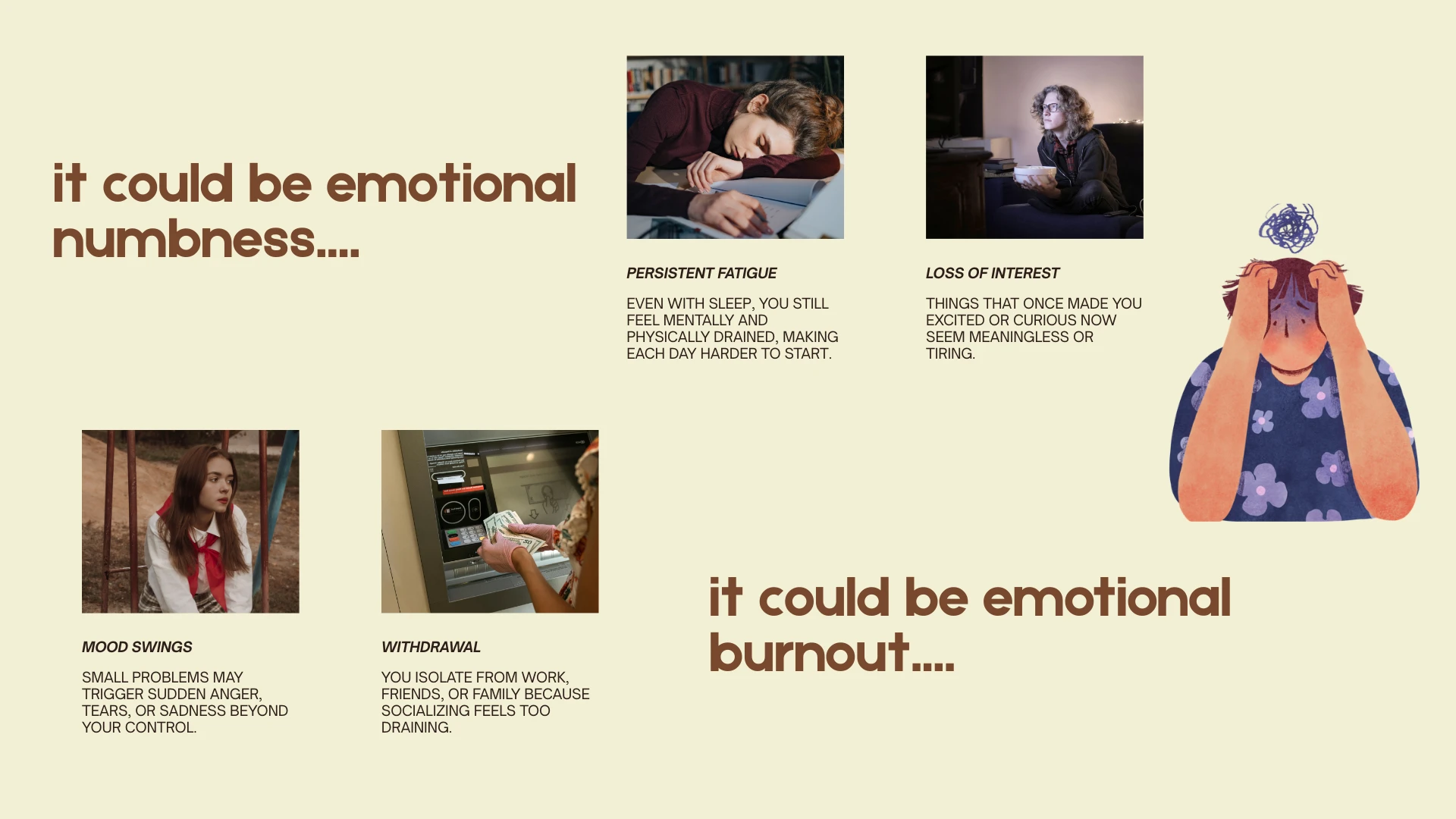
- Emotional numbness: Feeling detached from the things that used to bring you joy.
- Decision fatigue: Even simple choices, like what to eat for dinner, feel utterly paralyzing.
In these moments, our wounded or stressed internal "child" or "defender" parts take the wheel, dictating our reactions based on past fears rather than present reality.
Shifting to Adult Self-Leadership
True stability begins when your adult self takes back the wheel. Emotional self-leadership means learning to witness your intense emotions without letting them drive your actions. It’s the shift from reacting out of habit to responding with intention.
The next time you feel a wave of overwhelm, try this simple framework:
- Pause and Name It: Acknowledge the feeling. Simply saying, "I am feeling incredibly anxious right now" disarms the brain's alarm system.
- Locate the Sensation: Where do you feel it? A tight chest? A clenched jaw? Soften that physical area.
- Ask the Adult Self: "What do I actually need right now to feel safe and grounded?"
Moving out of survival mode doesn’t happen overnight, but with identity-focused, structured therapy, you can retrain your system to lead from a place of calm confidence.
Ready to take back the wheel? You don't have to navigate the path to emotional self-leadership alone. The team at @IGotUCorp specializes in structured, identity-focused therapy designed to help you break free from survival loops and start living with intention. Connect with IGOTUCORP® today to schedule a session.
Blog 2: The Silent Drain – Recognizing and Reversing Micro-Burnout
When we think of burnout, we usually picture a dramatic collapse—someone quitting their job on the spot or spending a week unable to get out of bed. But more often, burnout doesn't arrive with a bang. It arrives in whispers.
This is micro-burnout: the slow, cumulative drain of daily micro-stressors that gradually erodes your resilience until you realize you’re running on completely empty.
The Warning Signs You’re Ignoring
Because micro-burnout is subtle, it easily masks itself as "just being tired." Look out for these red flags:
- The "Sunday Scaries" extend to every night: A persistent sense of dread about the upcoming day.
- Low empathy: Finding yourself unusually annoyed by friends, family, or colleagues needing your attention.
- Procrastination as self-defense: Staring at a screen for hours, unable to start, because your brain is actively trying to protect itself from more labor.
Rebuilding Your Mental Margin
Reversing micro-burnout isn't about taking a two-week vacation—it's about changing how you manage your energy on an average Tuesday.
- Establish Identity-Focused Boundaries: Remember that your output is not your worth. Learn to decouple your identity from your productivity.
- Audit Your Micro-Drainers: Identify the small things that trigger stress (e.g., a messy desk, an unresolved email, a specific notification sound) and address them proactively.
- Protect Your Transition Zones: Create clear boundaries between "work mode" and "home mode." A 15-minute walk, a change of clothes, or a dedicated breathing exercise can signal to your nervous system that it is safe to power down.
If you’re feeling the slow drain of burnout, remember that asking for support isn't a sign of weakness—it’s a profound act of self-leadership.
Is micro-burnout clouding your clarity? True wellness requires more than just symptom management; it takes practical tools and structured support. Let @IGotUCorp help you rebuild your mental resilience and design a life led by balance. Visit IGOTUCORP® to find the personalized mental health care you deserve.

























Sign in to leave a comment.