

Winter moves can feel like a big challenge. Slippery sidewalks, freezing temperatures, and shorter days don’t exactly make packing and lifting furniture easy. But here’s the thing: moving in winter also gives you a chance to declutter before you settle into your new home.
If you’re surrounded by old furniture that’s bulky, outdated, or damaged, this is the perfect time to decide what stays and what goes. Here’s how to handle old furniture smartly and stress-free this winter.
1. Start by Sorting What You Really Need
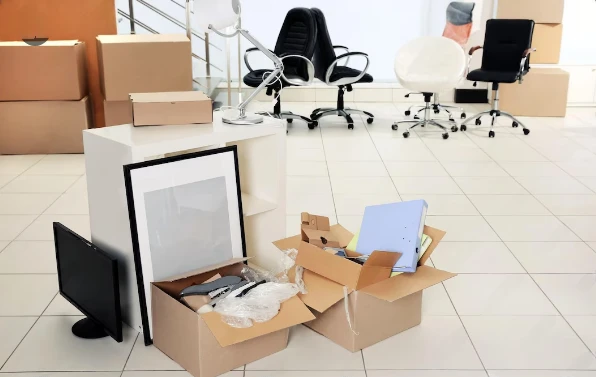
Before you pack, take a good look at every piece of furniture. Ask yourself:
- Do I still use this?
- Does it fit the style or space of my new home?
- Is it in good condition?
Moving is expensive, especially when it comes to transporting large, heavy items. It’s not worth hauling a scratched table or a sagging couch you don’t even like. Start early and go room by room. Keep what you love, and plan for the rest.
2. Sell or Donate Gently Used Pieces
If your furniture is still in decent shape, consider giving it a second life. Selling can help offset moving costs, while donating helps others in need.
You can post items on platforms like Facebook Marketplace, Craigslist, or local community groups. If you’d rather donate, reach out to local charities, thrift stores, or non-profits. Many organizations offer free furniture pickup, even during winter, which saves you time and effort. Just make sure to schedule early as holiday season pickups can fill up quickly.
3. Recycle What’s No Longer Usable
When furniture is broken beyond repair, recycling is a responsible option. Old furniture often contains recyclable materials like metal, wood, and fabric. Check your local waste management website for recycling programs or eco-centres that accept large items. Some private junk removal companies also separate recyclables to reduce landfill waste.
If you have items with electronic parts (like recliners with motors), make sure to dispose of them properly, as they may contain materials that require special handling.
4. Consider Professional Furniture Removal Services
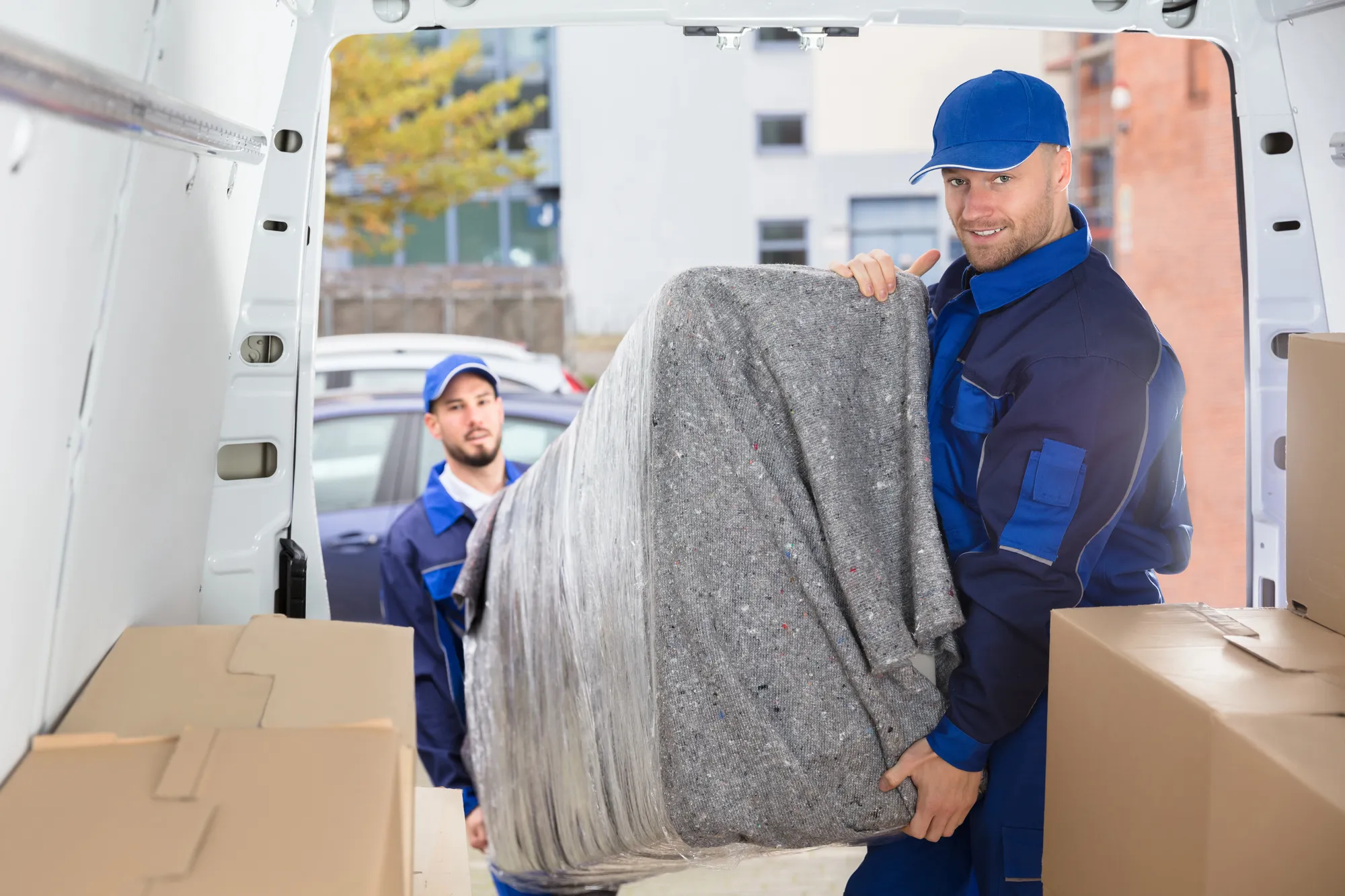
When snow and ice are involved, moving heavy furniture becomes even trickier. Professional removal services can make the process much easier and safer. These teams know how to handle large pieces in tight spaces, protect your flooring, and navigate icy driveways.
Many removal companies also handle donation drop-offs, recycling, and eco-friendly disposal, saving you multiple trips in the cold. It’s a small investment that can make your winter move far less stressful.
5. Protect Furniture You’re Keeping
For the furniture you do plan to move, take extra precautions against winter weather.
- Wrap items in plastic or moving blankets to prevent moisture damage.
- Use waterproof covers for mattresses and fabric pieces.
- Clear snow or ice from walkways before moving day.
- Load delicate furniture last so it’s less exposed to freezing air.
Temperature changes can cause wood to warp or crack, so avoid leaving furniture sitting in cold moving trucks for long periods.
Final Thoughts
Decluttering before you move not only saves effort but also helps you start fresh in your new space. You’ll have fewer boxes to unpack, more room to decorate, and a home filled only with pieces that truly fit your life.
So, as you prepare for your winter move, take the opportunity to let go of what no longer serves you. Whether you sell, donate, recycle, or call in the pros, managing old furniture the right way keeps your move lighter, greener, and far more enjoyable.





























Sign in to leave a comment.