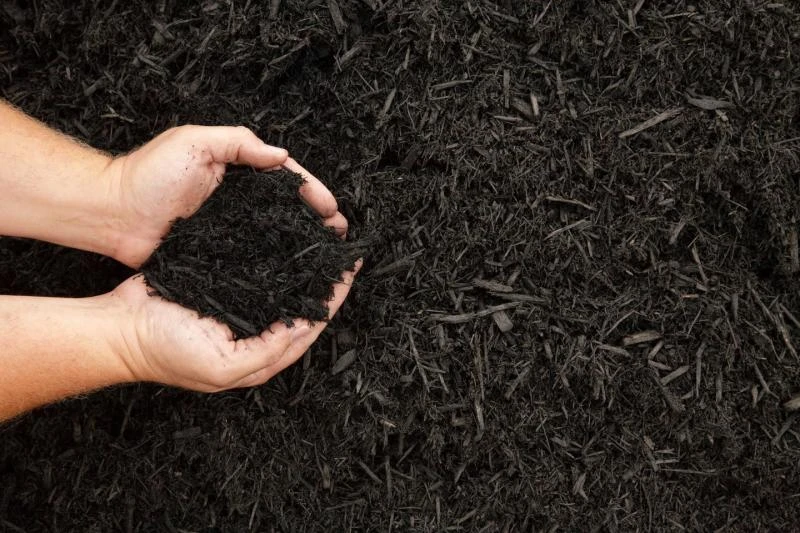

You can hydrate the soil more by mulching, get rid of weeds, get better crops, and feed the soil. Discover the many types of mulch you can use in your garden, how to use them, and when.
Mulch has earned the moniker "the gardener's friend" with good cause. Mulch traps moisture in the spring, kills weeds, and nourishes the soil. Mulch shields bare winter ground, stops erosion and safeguards plants.
Mulching is an essential gardening component to keep plants looking beautiful and productive throughout the year.
Mulch: What Is It?
Mulch is essentially anything that covers the soil's surface. Mulch is nothing more than plant waste and discarded leaves in nature. Compost, wood chips, rotted animal waste, cardboard, and even seaweed can all be used as mulch in gardens.
We've only recently learned to value mulch's long-term and ecological advantages. When mulching is done correctly, it feeds the soil's living microorganisms with nutrients, and the waste these tiny microbes produce improves the soil's structure for plants and reduces compaction.
Advantages of Mulching
prevents light from reaching the soil surface, which inhibits weed growth.Maintains soil moisture by reducing water loss from the soil's surface.Reduces soil heat, keeping it cooler on hot days and warmer on cold nights.Reduces soil compaction and erosion while protecting bare soil.Shields plants from the damaging effects of winter winds, freezes, and thaws.Mulch has numerous other advantages, including:
In the winter, mulch will keep the soil warmer than bare soil. This guard against the cycle of freezing and thawing for plants (which can heave them out of the ground).Prevents soil surface crusting. Mulch allows water to percolate into the soil more readily than it would otherwise.Prevents soil from splashing onto leaves, which lowers the risk of bacterial and fungal diseases in plants.Decomposes and provides soil food (if organic mulch).Enhances the structure of clay soils and the ability of sandy soils to hold moisture.Slowly increases soil fertility (if organic) and might increase the availability of soil-born micronutrients.Allows the gardener to plant days or weeks before the soil is usually prepared by warming the earth in the spring.To prevent plant disease, keep plants clean and off the ground, especially tomatoes and melons.When mulch is used to surround trees rather than grass, the likelihood of tree trunk damage is reduced.Boosts the growth and health of plants (due to fewer weeds and more consistent moisture and soil temperature).Gives gardens a uniform appearance and rhythm, making them "spiffed up" and attractive.Types of Mulch
The ideal mulch should be light and open yet dense enough to prevent weed growth from taking root. When buying mulch, consider price, availability, application ease, and how it will look in the garden. There are numerous materials available in a variety of hues and textures.
In the garden, mulches of organic and inorganic varieties can be used successfully.
Natural Mulches
Organic mulches are made from natural materials such as grass, leaves, and other plant material, frequently from your backyard. They degrade over time in a manner akin to nature. The benefit is that they are genuinely enhancing the soil with organic matter. The drawback is that they need to be regularly replenished.
Compost is inexpensive and quickly decomposes to improve the soil. The drawbacks include the need for replenishment and the possibility of weed seeds. Often, towns provide it from their leaf composting facility if you don't have your own.Chipped or shredded bark. Softwood bark mulch is beautiful, doesn't compact easily, and decomposes gradually. Although hardwood bark is gorgeous, it decomposes quickly and must be appropriately composted to prevent sour mulch and troublesome fungi.Available in abundance, chopped leaf mold and shredded leaves eventually decompose and provide the soil with beneficial nutrients. The drawback is that wet leaves may mat, which lowers soil moisture and oxygen levels. Steer clear of wet leaf mats.Although cheap and practical coverings, straw and salt marsh hay decompose more quickly, may harbor rodents, and are easily blown away by the wind.Grass clippings are already available, but to prevent them from turning into a sweaty, slimy, stinky mess, they should be dried first or spread thinly. Additionally, you cannot use grass clippings from a chemically treated lawn in a food garden.Pine needles are more decorative than most mulches and stay in place better. Don't worry about them changing the pH of the soil because they are slow to decompose and aren't as acidic as you might anticipate.Local byproducts can also be plentiful, including used brewery hops, cocoa hulls, corn cobs, coffee grounds, newspaper, or cardboard. Be imaginative!Artificial Mulches
Black plastic mulch is convenient, lessens water loss, and aids in soil warming in the spring. The soil beneath the plastic becomes extremely hot in the middle of summer if it is not shaded by leaves or covered with another mulch because it is not permeable; it breaks down when exposed to sunlight. It also becomes more difficult to water. When growing seasons are brief, this can have a significant impact.The soil becomes even hotter with clear plastic in the middle of summer, and plants can be damaged if the plastic is not shaded. Silver plastic mulch excels at warming soil in the spring but fails to control weeds.Around shrubs and trees, crushed stone, gravel, marble, or brick chips serve as a permanent mulch. However, these mulches can get into the lawn, are pricy, and are difficult to move. An underlayer of landscape fabric will prevent soil and weed seeds from penetrating the stones.While weeds are stifled by landscape fabric, air, fertilizer, and water can still pass through them and reach the soil. Fastening the material down will prevent perennial weeds from pushing it up. They help maintain soil moisture and have been treated to resist decomposition.0





















Sign in to leave a comment.