

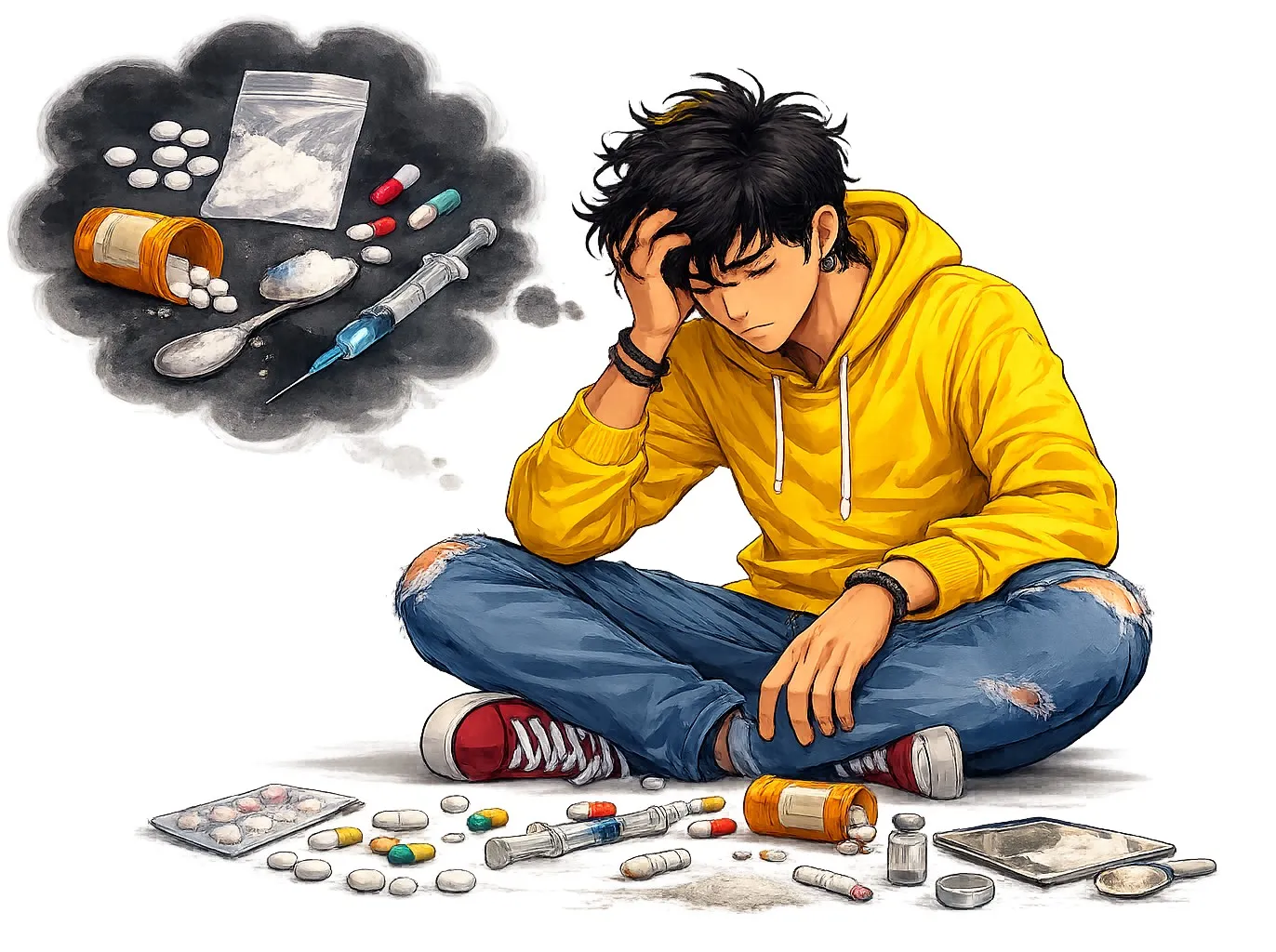
Addiction is often misunderstood as a lack of control or weak willpower. Many people believe that if someone truly wants to quit, they can simply stop. But reality tells a very different story. Addiction is not just a habit—it is a complex condition that affects the brain, behaviour, emotions, and physical health.
In cities like Pune, Mumbai, and across India, substance use is rising silently. What begins as casual use can quickly turn into dependency, affecting not only the individual but their entire family. The biggest mistake people make is delaying professional help, assuming things will improve on their own.
This article breaks down why recovery requires more than just motivation—and how structured treatment plays a critical role in long-term healing.
Understanding Addiction Beyond Surface-Level Behaviour
Addiction is a medical and psychological condition where a person continues substance use despite harmful consequences. Over time, the brain adapts to the substance, making it difficult to function without it.
This is why quitting is not just about “deciding to stop.” The body develops dependence, and the mind forms strong behavioural patterns. These patterns are reinforced by triggers such as stress, trauma, social environments, or mental health issues.
Common contributing factors include:
- Chronic stress or work pressure
- Anxiety, depression, or unresolved trauma
- Social influence or peer pressure
- Genetic predisposition
Research shows that addiction affects both physical and mental health, often leading to severe consequences if left untreated .
Why Willpower Alone Is Not Enough
One of the biggest myths about addiction is that people can recover using self-control alone. While motivation is important, it is rarely sufficient.
Here’s why:
1. Withdrawal Symptoms Can Be Dangerous
When someone stops using substances suddenly, they may experience withdrawal symptoms such as anxiety, nausea, tremors, or even seizures. In some cases, withdrawal can be life-threatening.
2. The Brain Craves the Substance
Addiction changes brain chemistry. Even after quitting, cravings can persist for weeks or months, making relapse highly likely without support.
3. Emotional Triggers Are Strong
Stress, loneliness, or certain environments can push individuals back into substance use. Without coping mechanisms, resisting these triggers becomes extremely difficult.
4. Lack of Structure Leads to Relapse
Without a structured routine and guidance, individuals often fall back into old patterns. Rehab provides the structure needed to rebuild daily habits .
The Role of Professional Rehabilitation in Recovery
Rehabilitation is not just about stopping substance use—it’s about rebuilding life from the ground up.
A professional rehab centre provides:
Medical Detoxification
The first step in recovery is detox, where the body clears harmful substances under medical supervision. This ensures safety during withdrawal.
Psychological Therapy
Therapies like cognitive behavioural therapy (CBT) help individuals understand their addiction, identify triggers, and develop healthier coping mechanisms.
Structured Environment
Rehab centres remove individuals from triggering environments and provide a disciplined routine focused on healing.
Emotional Support
Counselling and group therapy create a support system where individuals can share experiences and feel understood.
Long-Term Recovery Planning
Recovery does not end after detox. Aftercare programs help individuals maintain sobriety and prevent relapse.
Studies show that structured and comprehensive treatment significantly improves recovery outcomes compared to trying alone .
Types of Addiction Treatment Programs
Different individuals require different levels of care. Treatment is not one-size-fits-all.
Inpatient Rehabilitation
This involves staying at a rehab centre full-time. It is ideal for severe addiction cases, as it provides 24/7 medical and emotional support.
Outpatient Programs
Patients attend therapy sessions while continuing their daily routine. This works best for mild to moderate addiction.
Detox Programs
Focused on safely managing withdrawal symptoms, detox is often the first stage of treatment.
Dual Diagnosis Treatment
Many individuals struggle with both addiction and mental health disorders. Dual diagnosis treatment addresses both simultaneously for better outcomes.
The Hidden Impact of Addiction on Life
Addiction doesn’t just affect the individual—it impacts every aspect of life.
Physical Health
Substance abuse can damage organs, weaken immunity, and lead to chronic diseases.
Mental Health
Conditions like anxiety, depression, and paranoia often worsen with addiction.
Relationships
Trust breaks down, conflicts increase, and families suffer emotionally.
Career and Finances
Job loss, poor performance, and financial instability are common consequences.
This is why early intervention is crucial. The longer addiction continues, the deeper its impact becomes.
Why Choosing the Right Rehab Matters
Not all rehabilitation centres offer the same level of care. Choosing the right facility can make a significant difference in recovery.
Here are key factors to consider:
- Qualified medical professionals and therapists
- Personalized treatment plans
- Safe detox facilities
- Structured daily routines
- Strong aftercare support
India has seen a growing number of de-addiction centres, with private facilities often offering more specialised care and trained professionals .
Recovery Is a Process, Not a One-Time Event
One of the most important things to understand is that recovery is not instant. It is a continuous journey.
Even after completing a rehab program, individuals must:
- Attend follow-up therapy sessions
- Avoid high-risk environments
- Build healthy routines
- Stay connected with support systems
Relapse can happen, but it does not mean failure. It simply indicates that treatment needs adjustment and continued support.
When Should You Seek Help?
Many people delay treatment because they are unsure whether the situation is serious enough. But early intervention can prevent long-term damage.
You should consider professional help if:
- Substance use is increasing over time
- Withdrawal symptoms appear when not using
- Relationships are deteriorating
- Work or daily life is affected
- Attempts to quit have failed
If you or a loved one is facing these signs, seeking structured treatment can make all the difference.
Finding the Right Support in Pune
For individuals looking for professional help, choosing a trusted De-addiction centre in Pune is essential. If you are exploring options, you can check out this detailed resource on
A well-designed rehab program focuses not just on detox but on long-term behavioural change, emotional healing, and relapse prevention.
Final Thoughts
Addiction recovery is not about willpower—it’s about the right support, environment, and treatment.
Trying to quit alone often leads to frustration and relapse. But with professional guidance, structured programs, and ongoing support, recovery becomes not just possible—but sustainable.
The most important step is the first one: acknowledging the problem and seeking help.
Because recovery doesn’t just change habits—it rebuilds lives.

























Sign in to leave a comment.