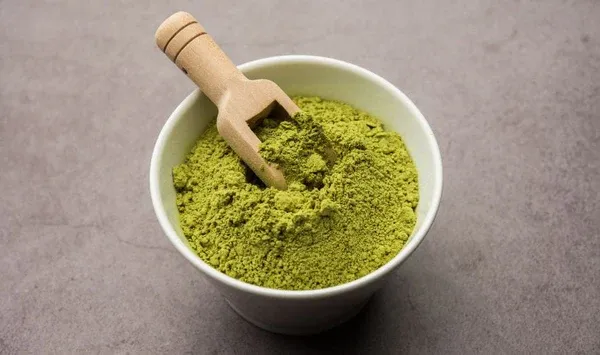

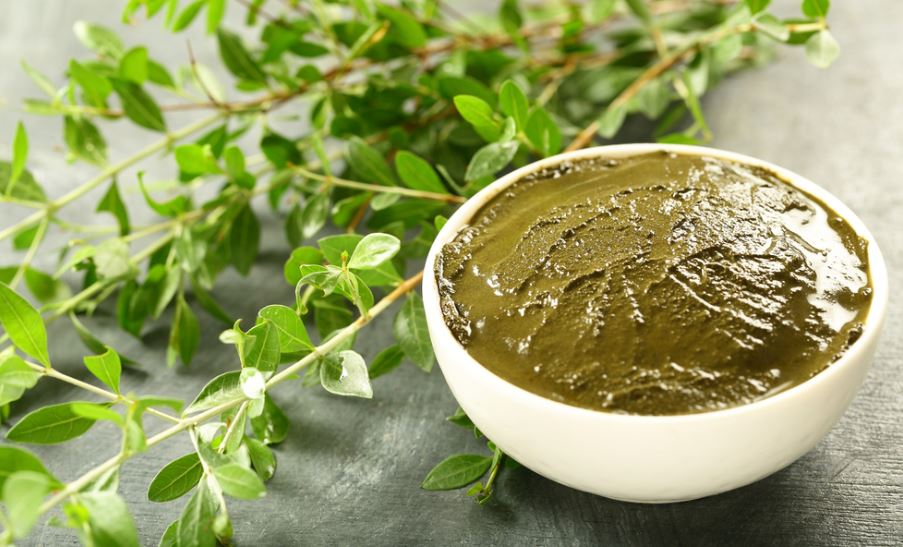
Henna powder has been a trusted natural ingredient for centuries, valued for its ability to color hair, improve its appearance, and support traditional beauty routines. Made from the dried leaves of the Lawsonia inermis plant, pure henna is widely used by people looking for a plant-based alternative to chemical hair dyes.
Although henna can be mixed with plain water and used effectively on its own, many people choose to combine it with other natural ingredients to customize the paste according to their hair type and personal preferences. Certain ingredients can improve the texture of the paste, add moisture, or make application easier without altering the natural characteristics of henna.
This guide explores some of the most commonly used natural ingredients that pair well with henna powder and explains how each one contributes to the preparation process.
Why Mix Natural Ingredients with Henna?
Adding natural ingredients to henna paste is often done to improve usability rather than dramatically change the final color. Depending on the ingredient, the mixture may become smoother, easier to spread, or more suitable for different hair types.
People commonly add natural ingredients to:
- Improve paste consistency
- Add moisture to dry hair
- Enhance ease of application
- Support overall hair care routines
- Customize the mixture for individual preferences
It is important to remember that henna itself remains the primary coloring agent, while additional ingredients generally provide complementary benefits.
Aloe Vera Gel
Aloe vera is one of the most popular ingredients combined with henna powder.
Its natural moisturizing properties help create a smooth paste that spreads evenly through the hair.
Benefits of adding aloe vera include:
- Improved paste texture
- Better moisture balance
- Easier application
- Softer hair feel after rinsing
Fresh aloe vera gel or pure commercial aloe vera gel without unnecessary additives is commonly preferred.
Yogurt
Yogurt is frequently used by individuals with dry or rough hair.
Its creamy consistency helps produce a thick and smooth henna mixture.
Yogurt may contribute to:
- Better spreadability
- Improved moisture
- Easier rinsing
- More manageable hair
The amount should be balanced carefully so the paste does not become overly thin.
Black Tea
Many people replace plain water with brewed black tea while preparing henna paste.
Black tea provides a warm liquid for mixing and is often selected by users who prefer traditional preparation methods.
It also creates a smooth consistency suitable for application.
Coffee
Coffee is another commonly discussed ingredient in henna recipes.
Although many believe coffee significantly changes hair color, its influence on the final shade is generally limited.
It is primarily used because it blends well into the paste and provides a familiar natural ingredient for mixing.
Fenugreek Powder
Fenugreek seeds are widely used in traditional hair care routines.
Finely ground fenugreek powder may be added to henna paste in moderate quantities.
It is commonly chosen because it:
- Creates a smoother paste
- Improves application
- Supports conditioning routines
The powder should be finely ground to prevent coarse particles.
Hibiscus Powder
Hibiscus has long been included in herbal hair care preparations.
It is sometimes mixed with henna to create customized herbal blends.
Hibiscus powder contributes to:
- Herbal enrichment
- Smooth mixing
- Traditional botanical formulations
Many people combine hibiscus with other plant-based ingredients as part of their regular hair care routine.
Amla Powder
Amla, also known as Indian gooseberry, is another traditional ingredient frequently paired with henna.
It is widely used in herbal hair preparations because of its compatibility with other botanical ingredients.
Many homemade recipes include small amounts of amla powder alongside henna to create balanced herbal mixtures.
When preparing treatments using natural henna products for hair, users often select complementary herbs like amla according to their individual hair care preferences.
Coconut Milk
Coconut milk provides a creamy consistency that many users find easy to work with.
It helps create:
- Smooth paste texture
- Improved moisture
- Comfortable application
Because coconut milk contains natural oils, users often adjust the quantity carefully to maintain the proper paste consistency.
Lemon Juice
Lemon juice is frequently mentioned in traditional henna recipes.
Some people add small quantities to assist dye release during paste preparation.
However, individuals with sensitive scalps should exercise caution, as acidic ingredients may not be suitable for everyone.
Alternative liquids such as plain water or herbal tea are often preferred for greater comfort.
Essential Oils
Certain essential oils are sometimes added in very small amounts.
Popular choices include:
- Lavender
- Tea tree
- Rosemary
Only hair-safe essential oils should be used, and they should always be properly diluted according to recommended guidelines.
Ingredients to Avoid
Not every ingredient works well with henna.
Some additions may interfere with paste preparation or produce inconsistent results.
It is generally advisable to avoid:
- Artificial food colors
- Synthetic dyes
- Unknown chemical additives
- Harsh cosmetic ingredients
Keeping the mixture simple often produces better consistency and easier application.
Choosing Quality Henna First
Regardless of the additional ingredients used, the quality of the henna powder remains the most important factor.
Fresh, finely processed henna usually provides:
- Better mixing
- Improved texture
- Consistent application
- Reliable coloring performance
Businesses and consumers seeking dependable quality often evaluate products from an experienced Henna Powder Exporter that follows consistent manufacturing and quality control practices.
Beyond Hair Care
Henna is widely recognized not only for hair applications but also for traditional decorative art.
Specially processed henna products prepared for body art are manufactured with characteristics suitable for creating temporary designs during cultural celebrations, weddings, and festivals. These products differ from hair-grade henna and should always be selected according to their intended purpose.
Tips for Preparing a Better Henna Paste
To achieve a smooth and workable mixture:
- Use clean mixing utensils.
- Add liquids gradually.
- Mix until the paste is lump-free.
- Cover and allow adequate dye release time.
- Adjust consistency before application if necessary.
Following these simple steps helps create a paste that is easier to apply and rinse.
Final Thoughts
Henna powder works well on its own, but combining it with carefully selected natural ingredients allows users to customize the mixture according to their hair care preferences. Ingredients such as aloe vera, yogurt, amla, hibiscus, fenugreek, coconut milk, and herbal teas can improve the texture and usability of the paste while complementing henna's natural properties.
The key is to keep the recipe simple and begin with high-quality henna powder. By choosing appropriate ingredients and following proper preparation methods, users can create a smooth, easy-to-apply paste that supports a consistent and enjoyable natural hair care routine.















Sign in to leave a comment.