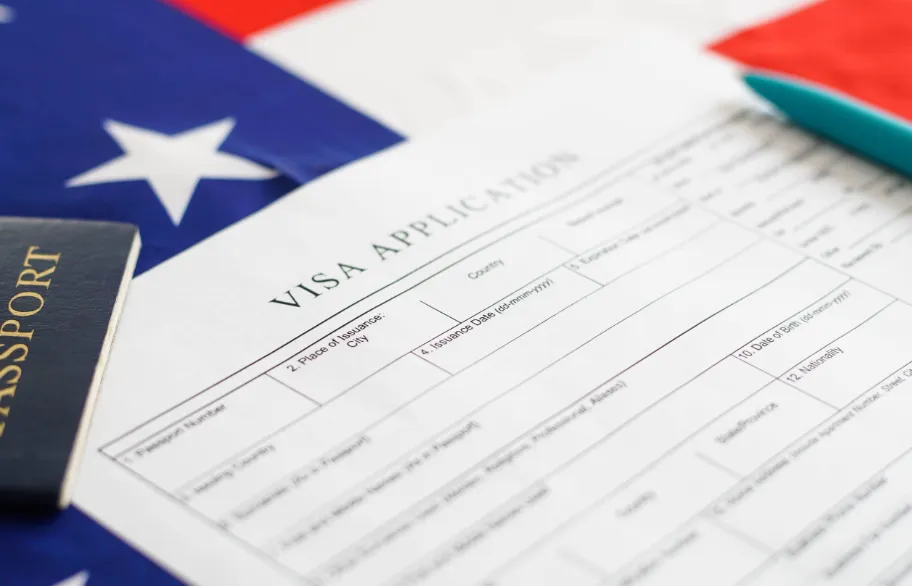

In today’s global business environment, multinational companies often need to transfer executives, managers, and specialized employees between international offices. The L-1 visa program provides an important solution that allows businesses to move qualified employees from foreign offices to the United States. However, the immigration process can be complex and requires careful preparation, detailed documentation, and compliance with U.S. immigration laws. This is why working with an experienced Miami L-1 Visa Attorney can help businesses and employees successfully navigate the process.
Understanding the L-1 Visa
The L-1 visa is a non-immigrant visa category designed for intracompany employee transfers. It allows international companies to transfer employees from foreign offices to related U.S. offices.
There are two primary categories of L-1 visas:
L-1A Visa for Executives and Managers
The L-1A visa is intended for executives and managers who oversee business operations or manage important company functions.
L-1B Visa for Specialized Knowledge Employees
The L-1B visa is designed for employees with specialized knowledge related to the company’s products, services, systems, or procedures.
A Miami L-1 Visa Attorney can help determine which visa category best matches the employee’s role and responsibilities.
Basic Eligibility Requirements
To qualify for an L-1 visa, several important requirements must be met.
Qualifying Employment Relationship
The U.S. company and the foreign company must have a qualifying business relationship, such as parent company, branch, affiliate, or subsidiary.
Prior Employment Requirement
The employee must have worked for the foreign company for at least one continuous year within the previous three years before applying.
Position Qualifications
The employee must be entering the United States to work in a managerial, executive, or specialized knowledge role.
Important Documentation for the L-1 Visa Process
The L-1 visa application requires substantial supporting documentation to demonstrate eligibility and business legitimacy.
Employment Verification
Employers must provide evidence of the employee’s prior work history, job duties, and qualifications.
Corporate Documentation
Documents proving the relationship between the U.S. and foreign entities are essential for approval.
Organizational Charts
Organizational charts help demonstrate managerial structures and employee responsibilities.
Business Plans and Financial Records
For newer U.S. offices, business plans and financial information may be required to show operational viability.
A Miami L-1 Visa Attorney helps businesses organize and prepare these materials accurately to reduce delays and improve approval chances.
Benefits of the L-1 Visa
Supports Global Business Expansion
The L-1 visa allows companies to transfer key personnel efficiently, helping businesses expand operations in the United States.
No Annual Visa Cap
Unlike some other visa categories, the L-1 visa is not subject to annual numerical limits.
Family Benefits
L-1 visa holders may bring spouses and unmarried children under 21 through L-2 visas. In some cases, spouses may also qualify for employment authorization.
Pathway to Permanent Residency
Many L-1A visa holders later pursue permanent residency through the EB-1C immigrant category for multinational executives and managers.
Common Challenges in the L-1 Visa Process
USCIS Requests for Evidence
Immigration authorities may request additional evidence to clarify job responsibilities or business operations.
Proving Specialized Knowledge
For L-1B visas, employers must clearly demonstrate the employee’s specialized expertise and company-specific knowledge.
Compliance Monitoring
Companies must maintain accurate employment and immigration records to remain compliant with U.S. immigration regulations.
An experienced Miami L-1 Visa Attorney can help businesses address these challenges proactively.
Long-Term Immigration Planning
Transitioning to a Green Card
Many multinational employees eventually seek permanent residency in the United States. Strategic planning from the beginning of the L-1 process can help support future immigration goals.
Business Growth and Expansion
The L-1 visa program also helps companies establish new offices and strengthen international operations within the U.S. market.
Future Trends in Business Immigration
Increased Digital Processing
Immigration agencies continue expanding online filing systems and digital communication methods.
Evolving Immigration Policies
Business immigration regulations may continue to change based on economic conditions and government priorities.
Greater Demand for Global Talent
As companies expand internationally, the demand for skilled multinational employees will continue to grow.
Conclusion
The L-1 visa remains an essential immigration solution for multinational businesses seeking to transfer executives, managers, and specialized employees to the United States. However, the process requires careful planning, detailed documentation, and compliance with evolving immigration laws.






























Sign in to leave a comment.