

Content marketing is an essential element of modern marketing strategies. With the rise of the digital era, businesses are challenged to create impactful content that cuts through the noise, captures attention, and builds lasting relationships. This article explores effective content marketing strategies to help your brand thrive in today’s competitive environment.
Understanding Your Audience
Knowing your audience is the foundation of any successful content marketing strategy. By understanding your audience’s demographics, preferences, and challenges, you can create content that resonates and drives engagement.
Create Buyer Personas
To better target your audience, develop detailed buyer personas that outline their motivations, challenges, and preferred content formats. Tools like Google Analytics, social media insights, and surveys can help gather this information. Tailoring content to these personas ensures relevance and fosters deeper connections.
Crafting Valuable and Relevant Content
Content that provides genuine value is the cornerstone of effective marketing. Here’s how to ensure your content stands out:
1. Prioritize Quality Over Quantity
Publishing high-quality, in-depth content is more impactful than producing a large volume of superficial material. Focus on addressing specific pain points and offering actionable insights to establish your brand as a thought leader.
2. Diversify Content Formats
Experiment with various formats such as blog posts, videos, infographics, podcasts, and webinars. By catering to different preferences, you can engage a broader audience.
3. Optimize for SEO
Search engine optimization (SEO) is critical for content discoverability. Conduct keyword research to identify terms your audience is searching for and integrate them naturally into your content. High-quality content paired with SEO best practices can boost visibility and drive organic traffic.
Establishing a Consistent Brand Voice
A unified brand voice enhances recognition and trust across all platforms. It should reflect your brand’s values and resonate with your target audience.
Develop a Style Guide
Create a comprehensive style guide outlining tone, vocabulary, and grammar preferences. This ensures consistency across all content and among team members.
Adapt to Different Platforms
While maintaining a consistent voice, tailor your tone to fit the platform. For example, use a professional tone on LinkedIn and a more casual, creative tone on Instagram. Adapting your voice boosts engagement and relatability.
Building an Effective Content Distribution Strategy
Creating great content is only part of the equation; distributing it effectively is equally important.
1. Leverage Social Media
Identify the platforms most frequented by your audience and tailor your content accordingly. Use features like Stories, polls, and live videos to encourage interaction and sharing.
2. Utilize Email Marketing
Email remains one of the most effective channels for content distribution. Segment your email list to deliver personalized content that resonates with different audience groups. Regular newsletters keep your audience informed and engaged.
3. Partner with Influencers
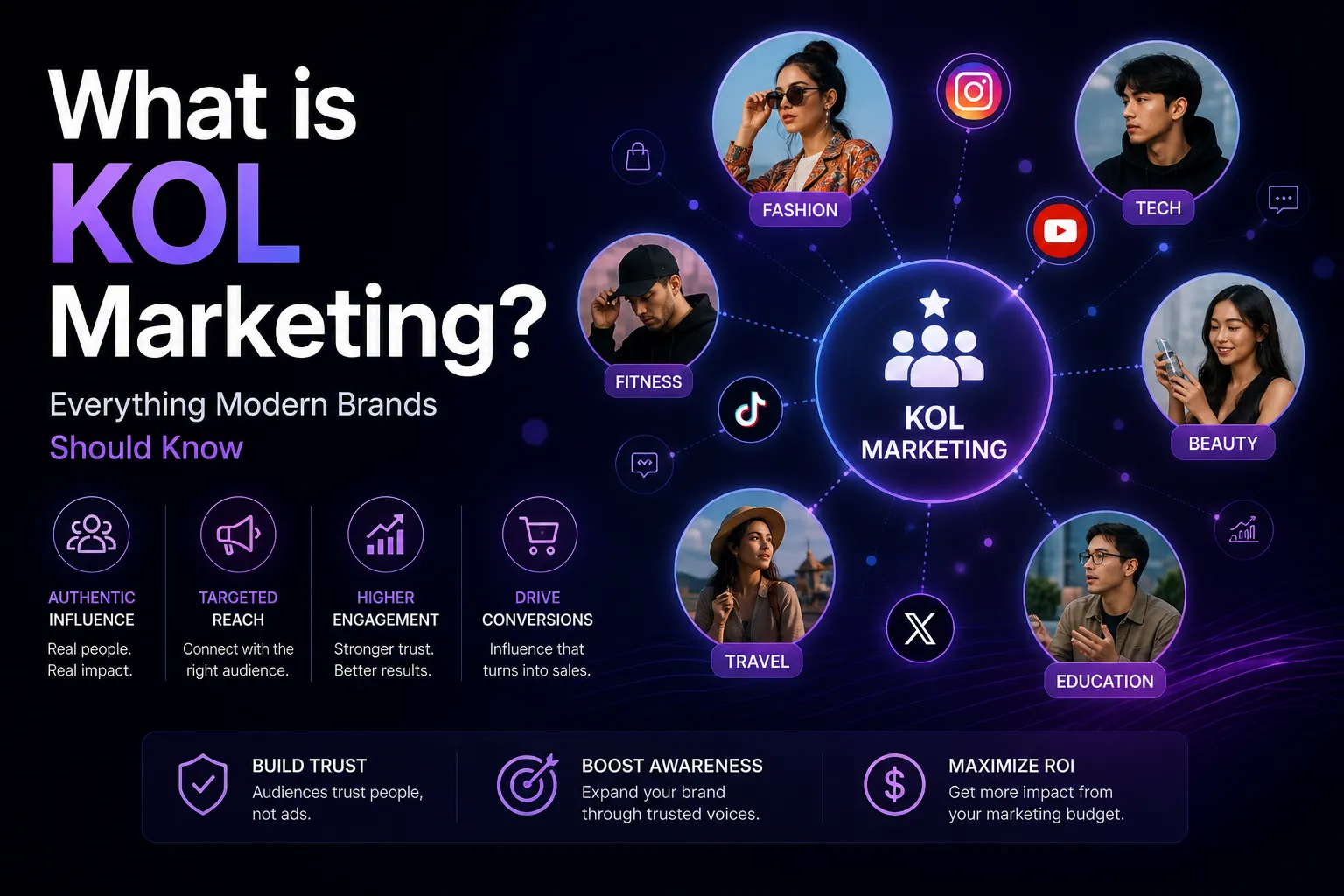
Collaborate with influencers whose audiences align with your target demographic. Influencers can help amplify your reach, boost credibility, and introduce your brand to new potential customers.
Engaging Your Audience
Building a loyal community around your brand fosters long-term engagement and advocacy.
Encourage Interaction
Use questions, polls, and calls to action in your content to spark conversations and encourage feedback. Responding to comments and engaging in discussions builds trust and community.
Leverage User-Generated Content
Encourage your audience to create content related to your brand. Sharing user-generated content (UGC) not only strengthens community ties but also provides authentic testimonials that resonate with potential customers.
Offer Exclusive Content
Reward loyal followers with exclusive content like eBooks, webinars, or discounts. This incentivizes engagement and reinforces brand loyalty.
Measuring and Analyzing Performance
Monitoring the performance of your content marketing strategy is essential for continuous improvement.
Set Clear KPIs
Define key performance indicators (KPIs) such as website traffic, engagement rates, conversions, and social media shares. These metrics provide insights into the effectiveness of your strategy.
Use Analytics Tools
Tools like Google Analytics and social media insights can help track performance and audience behavior. Regularly review these metrics to refine your approach.
Conduct A/B Testing
Experiment with different content types, headlines, and distribution methods to determine what resonates best with your audience. A/B testing enables data-driven decision-making for future campaigns.
Embracing Adaptability
The digital landscape is ever-changing, and successful content marketing strategies must evolve accordingly.
Stay Informed on Trends
Keep up with industry blogs, webinars, and professional networks to stay ahead of emerging trends and technologies. Understanding platform updates and audience behaviors will keep your content strategy relevant.
Experiment with Innovation
Test new formats, platforms, and marketing tools to stay fresh and innovative. Being open to change can uncover new opportunities for growth and engagement.
Key Takeaways
Effective content marketing in today’s digital landscape is about more than just creating content; it’s about building meaningful connections. By understanding your audience, crafting valuable content, maintaining a consistent voice, and measuring your efforts, you can create a robust strategy that drives engagement and achieves your marketing goals. As the digital world evolves, businesses that prioritize adaptability and innovation will be best positioned to succeed.

























Sign in to leave a comment.