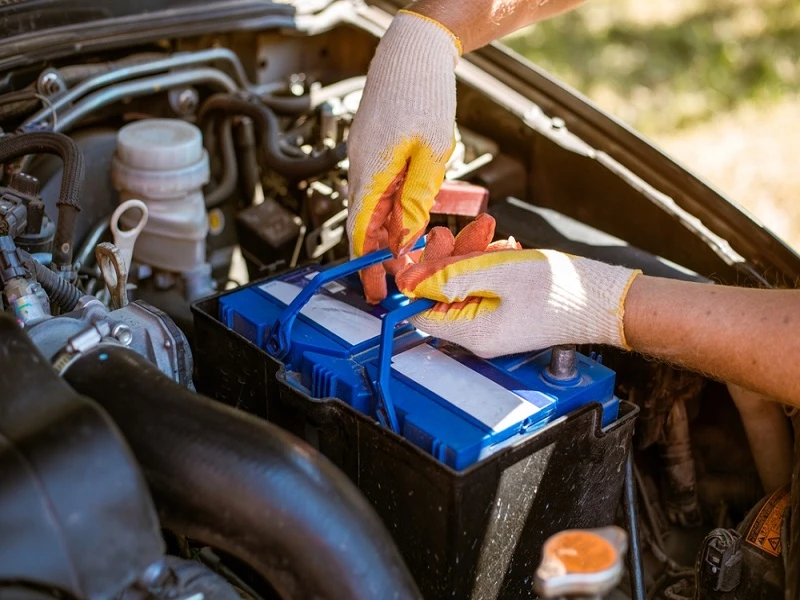

In today's fast-paced world, owning a car is no longer considered a luxury but a necessity. However, with the ever-increasing prices of new vehicles, many individuals are turning to the used car market as a cost-effective alternative. One of the critical components to consider when buying a used car is the engine. The engine serves as the heart of the vehicle, and its condition can significantly impact your car's overall performance and longevity.
In this article, we'll delve into the world of used car engines, offering valuable insights and tips to ensure you make a wise and informed decision.
The Importance of the Engine
Before we dive into the nitty-gritty details of buying a used car engine, let's first understand why it's so crucial. The engine is the powerhouse of your vehicle, responsible for generating the energy needed to move your car. A well-maintained engine can provide years of reliable service, while a neglected or damaged one can lead to costly repairs and a shortened lifespan for your car.
Research, Research, Research
Knowledge is your best friend when shopping for a used car engine. Start by thoroughly researching the make and model of the car you're interested in. Different vehicles may have different engine options, and some may be more prone to issues than others. Look for common engine problems associated with your chosen vehicle, and be prepared to ask specific questions when inspecting potential purchases.
Mileage Matters
Mileage is a critical factor when evaluating a used car engine. While lower mileage generally indicates less wear and tear, it's not the sole indicator of an engine's condition. Factors like maintenance history, driving habits, and environmental conditions also play a significant role. A well-maintained engine with slightly higher mileage may outperform a low-mileage engine that has been poorly cared for.
Inspection is Key
When you've found a used car with a suitable engine, it's time to inspect it thoroughly. If you're not mechanically inclined, consider hiring a trusted mechanic to accompany you. Look for signs of leaks, unusual noises, or any visible damage to the engine. Don't forget to check the vehicle's maintenance records, which can provide valuable insights into the engine's history.
Consider a Rebuilt or Remanufactured Engine
In some cases, you may find a used car with an engine that has been rebuilt or remanufactured. These engines are often reliable, as they have been professionally restored to near-new condition. However, ensure you understand the warranty and the qualifications of the shop or technician who performed the work.
Don't Rush the Decision
Buying a used car engine is not a decision to be rushed. Take your time, explore multiple options, and be prepared to walk away if something doesn't feel right. Patience can save you from costly regrets down the road.
Conclusion
Knowledge and caution are your best allies in the realm of used car engines. By researching your chosen vehicle, considering factors beyond mileage, and conducting thorough inspections, you can make a smart investment that keeps your car running smoothly for years to come. Whether you're a first-time car buyer or a seasoned pro, these tips will help you navigate the complex world of used car engines and drive away with confidence in your purchase.


























Sign in to leave a comment.