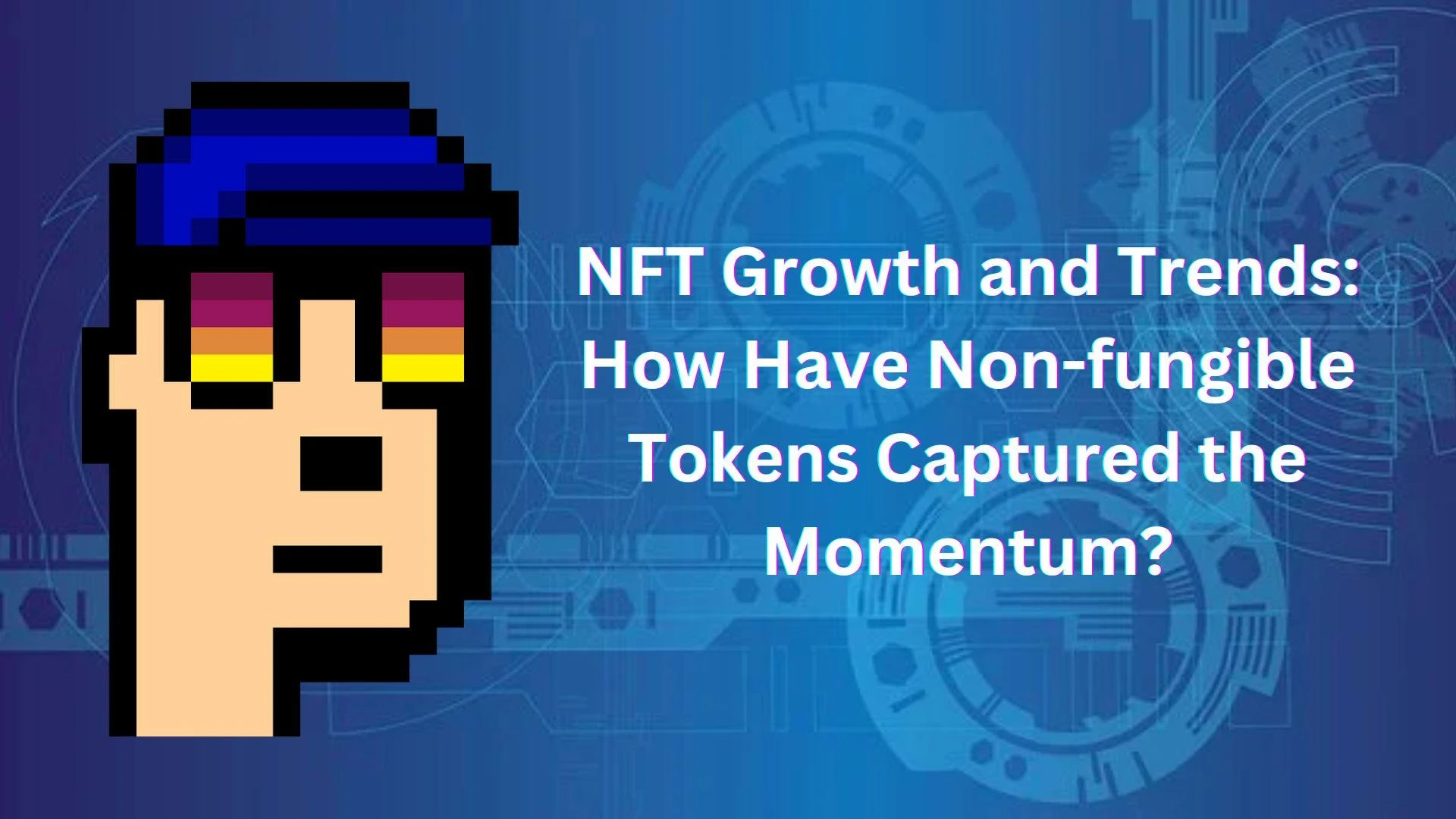

NFTs or non-fungible tokens have been around for a while now but they have only recently begun to gain mainstream traction. So, what are NFTs, and why are they becoming so popular? This article will attempt to answer those questions and more.
The Growth of NFTs
Since the launch of Bitcoin in 2009, the cryptocurrency market has seen tremendous growth. In the past few years, we've seen the rise of initial coin offerings (ICOs), security token offerings (STOs), and now non-fungible tokens (NFTs).
NFTs are a new type of digital asset that is unique and cannot be replicated. They're frequently used in video games and digital art collections to represent items. The recent explosion in the popularity of NFTs can be attributed to a few factors.
#1 The launch of Ethereum in 2015 created a new type of blockchain that made it possible to create smart contracts. This allowed for the development of ERC-721, the standard for non-fungible tokens.
#2 The rise of Cryptokitties in late 2017 showed that there was a demand for collectible digital assets. Cryptokitties was a game built on Ethereum that allowed players to breed, trade, and sell digital cats.
#3 The explosion of DeFi in 2020 created a need for new ways to collateralize loans and earn interest on crypto assets. NFTs were well-suited for this purpose because they can't be replicated like BTC
The Different Types of NFTs
Since the launch of Bitcoin in 2009, the world of cryptocurrency has been growing and evolving at a rapid pace. One of the most intriguing developments in recent years has been the rise of non-fungible tokens or NFTs.
NFTs are a type of digital asset that is unique and cannot be replicated. This makes them incredibly valuable, as they can be used to represent items such as art, collectibles, and even real estate.
There are several different types of NFTs, each with its unique characteristics. The following are the most common types:
ERC-721 Tokens: These are perhaps the most well-known type of NFT, as they were used to create the popular game CryptoKitties. ERC-721 tokens are stored on the Ethereum blockchain and can be traded or sold like any other cryptocurrency.ERC-1155 Tokens: These are similar to ERC-721 tokens, but they can be replicated. This makes them perfect for representing items such as in-game items or virtual worlds.
wavefront Tokens: These are a newer type of NFT that is designed to be used with the Wavefront virtual reality platform. Wavefront tokens can be used to represent objects, experiences, and even people in the Wavefront world.
Binance NFTs: Binance, one of the world’s largest cryptocurrency exchanges, recently launched its NFT marketplace. Binance NFTs can be used to represent a wide variety of items, including art, music, and even games.
Ethereum Name Service (ENS) Names: These are unique names that can be used to represent addresses on the Ethereum blockchain. ENS names are stored on the blockchain and can be bought or sold like any other cryptocurrency.
The list of different types of NFTs is constantly growing as new platforms and use cases are developed. With the increasing popularity of NFTs, we will likely see even more innovative uses for them in the future.
Their Uses and Applications
Since the launch of CryptoKitties in late 2017, non-fungible tokens (NFTs) have been one of the hottest topics in the cryptocurrency space. NFTs are digital assets that are unique and cannot be interchangeable. This uniqueness is enforced by blockchain technology, which provides public and immutable ledger for tracking ownership of these assets.
There are a wide variety of uses for NFTs. They can represent anything from in-game items and digital art to real-world assets like land or domain names. Some platforms, such as Ethereum's ERC-721 standard, were specifically designed for NFTs.
One of the most popular use cases for NFTs is gaming. In-game items that are stored on a blockchain can be traded or sold outside of the game. This opens up a whole new economy for game developers and players alike. For example, the decentralized app (dapp) Axie Infinity allows players to breed, battle, and sell pet creatures called Axies. These Axies are stored on the Ethereum blockchain and each one is unique.
Digital art is another popular application for NFTs. Artists can create works of art that are stored on a blockchain and can be bought, sold, or traded like any other asset. The ability to own a piece of digital art that cannot be replicated or counterfeit has made NFTs a popular choice for artists and collectors alike.
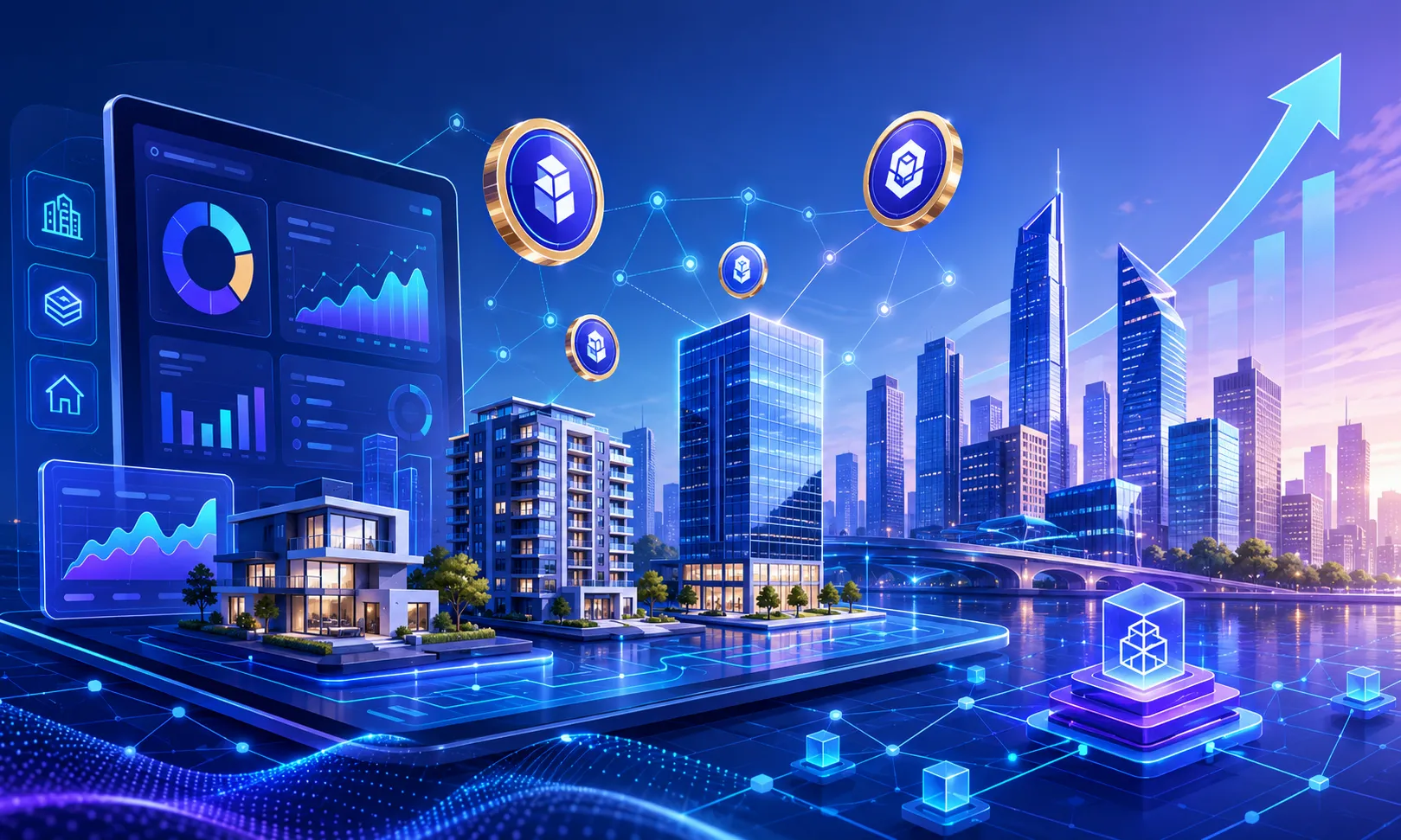
One of the most interesting and potentially world-changing use cases for NFTs is the tokenization of real-world assets. This could include things like land, property, or even shares in a company. Tokenizing these assets would allow them to be traded on a blockchain just like any other asset. This would open up a whole new world of investment opportunities and could potentially revolutionize the way we buy and sell the property.
The applications for NFTs are only limited by our imagination. With the launch of new platforms and standards, we are sure to see even more innovative and exciting use cases for NFTs in the future.
Their Future and Trends
In the past year, we have seen an explosion in the growth of non-fungible tokens (NFTs). NFTs are digital assets that are unique and cannot be replaced. They have been used in a variety of ways, from games to art collections.
The popularity of NFTs has been driven by the rise of blockchain gaming and digital art. Collectibles such as CryptoKitties and Decentraland have become some of the most popular applications on the Ethereum blockchain. In the world of art, NFTs have been used to create digital sculptures and paintings that can be sold for real money.
The trend is only expected to grow in 2021 as more people become familiar with NFTs and their potential. We can expect to see more games, applications, and artwork being created with NFTs. As the technology matures, we will also see new uses for NFTs emerge, such as in identity management and supply chain tracking.
Conclusion
As we can see, the growth of NFTs has been nothing short of explosive. In just a few short years, they have gone from being a niche interest to becoming one of the hottest trends in the digital world. With their unique ability to represent ownership of digital assets, it is no wonder that so many people are turning to NFTs as a way to invest in the future.
0























Sign in to leave a comment.