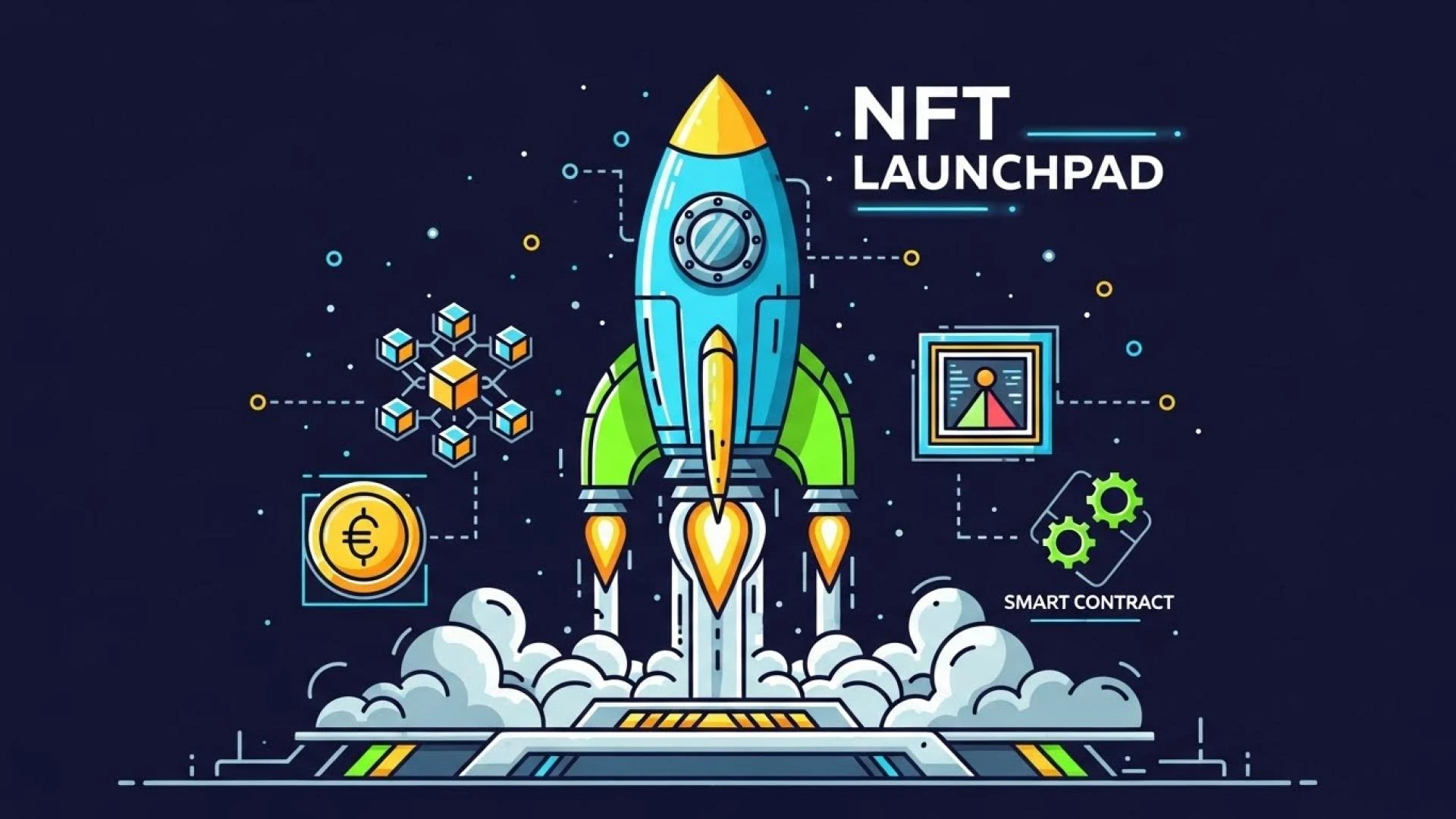

NFT marketplaces serve as digital platforms where non-fungible tokens are minted, listed, traded, and managed using blockchain technology. These marketplaces bridge creators and collectors by offering transparent ownership verification, secure transactions, and programmable asset behavior through smart contracts. As NFTs continue to influence industries such as art, gaming, and digital commerce, the marketplace itself has become a critical infrastructure layer. Understanding how NFT marketplaces operate, what standards they rely on, and how they are developed is essential for building platforms that are scalable, secure, and aligned with user expectations.
Blockchain Foundations of NFT Marketplaces
Blockchain technology is the underlying framework that enables NFT marketplaces to function without centralized control. It establishes trust through cryptographic validation, ensures transparency through public ledgers, and enforces rules through smart contracts. Without blockchain, NFT marketplaces would lack the core attributes that define digital ownership and scarcity. Each transaction, from minting to resale, is recorded on-chain, creating a permanent audit trail. A strong blockchain foundation is essential for maintaining platform integrity, preventing fraud, and enabling automated marketplace operations.
- Decentralized Ledger Architecture: Blockchain distributes transaction records across a network of nodes, removing reliance on a single authority. This structure ensures data consistency, fault tolerance, and continuous availability for NFT marketplace operations.
- Immutability and Transaction Transparency: Once data is written to the blockchain, it cannot be altered. This guarantees permanent ownership records and provides users with full visibility into transaction history.
- Smart Contract Automation: Smart contracts execute predefined logic for minting, trading, and royalty payments. They reduce operational errors while enforcing marketplace rules without manual intervention.
- Network Consensus Mechanisms: Consensus protocols validate transactions and secure the network. These mechanisms ensure accuracy and reliability even during high marketplace activity.
NFT Token Standards and Protocols
Token standards define how NFTs behave across blockchain networks and marketplaces. They establish the rules for token creation, transfer, and interaction, ensuring compatibility between wallets, platforms, and decentralized applications. Selecting the appropriate token standards directly impacts marketplace performance, interoperability, and long-term scalability. Well-established standards allow NFT marketplaces to integrate seamlessly with external ecosystems while maintaining consistent asset behavior. This layer of standardization is critical for building reliable platforms that support diverse digital assets and evolving user requirements.
- ERC-721 Standard for Unique Assets: ERC-721 enables the creation of one-of-a-kind NFTs, each with a unique identifier. It ensures individual ownership and prevents duplication across the marketplace.
- ERC-1155 for Multi-Asset Support: This standard supports both fungible and non-fungible tokens in a single contract, improving efficiency and reducing transaction costs.
- Metadata Standards for Asset Description: Metadata defines NFT attributes such as creator details and asset properties. Standardized formats improve compatibility and asset discoverability.
- Cross-Chain Compatibility Protocols: Cross-chain standards allow NFTs to interact with multiple blockchains, increasing liquidity and expanding marketplace reach.
Digital Asset Minting and Metadata Management
Minting is the foundational process through which digital content becomes a blockchain-based asset. Effective minting workflows and metadata management ensure that NFTs retain their value, identity, and traceability over time. Metadata provides context, ownership details, and asset characteristics that enhance usability and transparency. A well-designed NFT marketplace must offer flexible minting options while ensuring data integrity through decentralized storage solutions. This balance supports both creators and collectors by preserving asset authenticity.
- Creator-Driven Minting Workflows: Marketplaces provide tools that allow creators to mint NFTs with customizable attributes, supply limits, and royalty configurations.
- Decentralized Storage Solutions: Media files are stored on decentralized networks to ensure long-term accessibility and protection against data loss.
- Metadata Structuring and Validation: Structured metadata ensures consistency across platforms and prevents errors during asset transfer or display.
- Batch Minting Capabilities: Batch minting allows multiple NFTs to be created in a single transaction, improving efficiency for large collections.
Core Trading Mechanisms and Marketplace Operations
Trading mechanisms define how NFTs are exchanged within a marketplace and directly influence liquidity and user engagement. These systems manage pricing models, ownership transfers, and transaction execution through automated processes. Efficient marketplace operations ensure fair pricing, transparent settlement, and reliable asset transfers. By supporting multiple trading formats, NFT marketplaces accommodate diverse user preferences while maintaining operational stability. Well-designed trading infrastructure is essential for sustaining long-term marketplace activity.
- Fixed-Price Sales Models: NFTs listed at set prices allow immediate purchases, offering simplicity and predictability for buyers and sellers.
- Auction-Based Trading Systems: Auctions enable competitive bidding and price discovery, reflecting real-time market demand for digital assets.
- Ownership Transfer and Settlement: Smart contracts handle payment distribution and ownership updates automatically upon transaction completion.
- Transaction Fee Management: Transparent fee structures support platform sustainability while maintaining user trust.
Wallet Integration, Payments, and User Security
Wallet integration connects users to the blockchain and enables secure interaction with NFT marketplaces. Wallets manage private keys, authorize transactions, and store NFTs, making them essential for platform access. Payment systems must support seamless transfers while ensuring transaction security. Robust security measures protect users from unauthorized access and fraudulent activity. Together, wallet connectivity and security protocols form the trust layer that underpins user confidence in NFT marketplaces.
- Crypto Wallet Connectivity: Integration with widely used wallets allows users to authenticate and manage assets without centralized accounts.
- Payment Processing and Token Support: Marketplaces support blockchain-native tokens and, in some cases, stable assets to accommodate different transaction needs.
- Authentication and Access Controls: Signature-based authentication ensures only authorized users can perform transactions.
- Fraud Prevention and Risk Mitigation: Monitoring tools and contract audits help detect vulnerabilities and prevent malicious behavior.
NFT Marketplace Development Workflow
Developing an NFT marketplace involves multiple technical and strategic stages, each contributing to platform reliability and scalability. From planning and smart contract creation to testing and deployment, a structured workflow minimizes risks and ensures smooth execution. NFT launchpad development often follows this approach to accelerate time-to-market while maintaining security and compliance. A disciplined development process enables platforms to adapt to changing market demands and technological advancements.
- Requirement Analysis and Platform Design: Defining user roles, features, and blockchain selection establishes a strong foundation for development.
- Smart Contract Design and Deployment: Contracts govern minting, trading, and royalties. NFT launchpad development frequently uses standardized templates for efficiency.
- Front-End and Back-End Integration: User interfaces are connected to blockchain logic to ensure smooth interaction and performance.
- Testing, Auditing, and Optimization: Thorough testing and audits improve security and prepare the platform for scaling.
Conclusion
NFT marketplaces represent a structured convergence of blockchain technology, digital asset standards, and automated trading systems. Each component, from token standards and minting workflows to wallet integration and development processes, plays a critical role in platform success. NFT launchpad development provides a streamlined framework for building marketplaces that are secure, scalable, and user-focused. By adopting established standards and a disciplined development workflow, businesses can create NFT marketplaces that support sustainable growth and long-term digital asset ecosystems.



























Sign in to leave a comment.