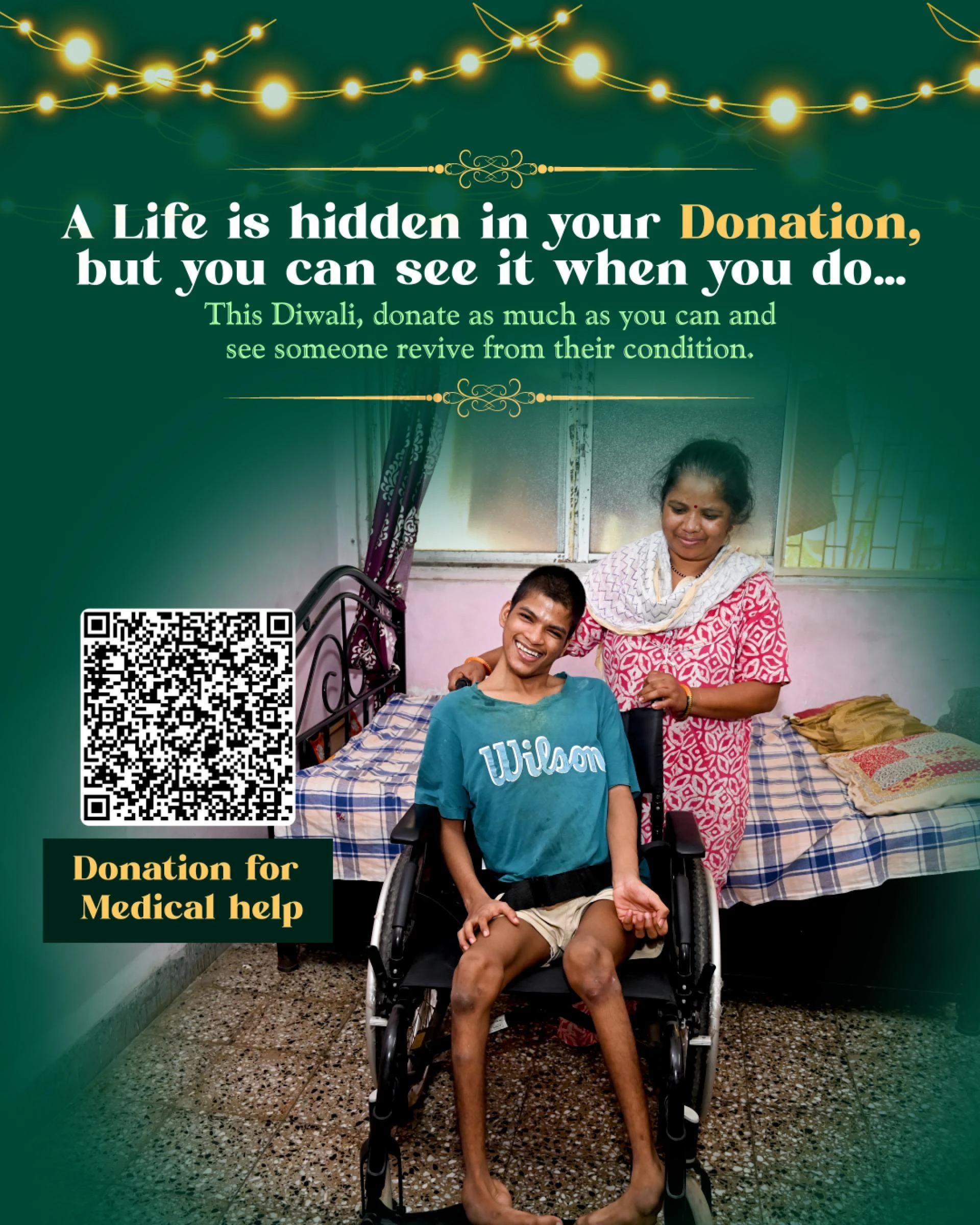

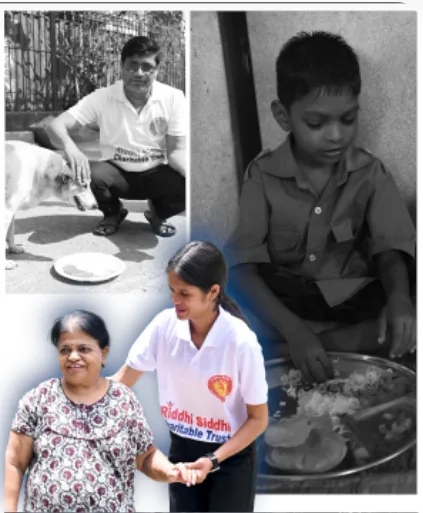
Access to quality healthcare remains a challenge for millions, especially for those from low-income backgrounds. Rising medical costs, limited insurance coverage, and lack of awareness often leave families helpless during medical crises. In such situations, ngo help for medical treatment becomes a crucial support system, offering timely aid, financial assistance, and emotional relief to individuals struggling to afford essential healthcare services.
Understanding the Healthcare Gap in India
Healthcare inequality is one of the biggest concerns in the country. While major cities have advanced hospitals and medical facilities, people in rural and economically weaker sections face significant barriers. These include:
- High hospitalization and treatment expenses
- Limited access to specialists
- Insufficient government healthcare infrastructure
- Lack of health insurance or awareness about schemes
This gap creates a major burden for families already struggling financially, pushing them toward debt, delayed treatment, or even skipping medical care altogether.
Why NGOs Play a Vital Role in Healthcare Support
NGOs bridge the gap between patients and life-saving medical care. Their involvement is not limited to financial help—they work across multiple areas to ensure that people receive the healthcare they deserve. Some key contributions include:
1. Providing Financial Assistance
Many NGOs support economically disadvantaged patients by covering costs for surgeries, critical treatments, diagnostics, medicines, and post-operative care. This allows families to focus on recovery rather than financial stress.
2. Spreading Awareness About Diseases
Awareness programs on cancer, heart disease, anemia, malnutrition, and communicable illnesses help communities understand symptoms, risk factors, and preventive measures. Early detection can save countless lives.
3. Connecting Patients to Medical Facilities
NGOs often collaborate with hospitals and healthcare centres to facilitate treatment at minimal or subsidized costs. They guide beneficiaries through documentation, medical consultation, and treatment planning.
4. Mental and Emotional Support
Illness affects not only the body but also the mind. Many NGOs offer counselling, support groups, and motivational programs to help patients and their families cope during difficult times.
Types of Health Services Supported by NGOs
NGOs extend their support to various medical needs, covering both emergency and long-term care. Their services often include:
Critical Illness Support
Assistance for diseases such as cancer, kidney failure, cardiovascular complications, and genetic disorders, where treatment expenses are extremely high.
Child Healthcare Programs
Children suffering from congenital disorders, malnutrition, or chronic diseases receive special attention due to their vulnerability and higher chances of recovery with timely intervention.
Maternal Health and Pregnancy Care
Expecting mothers in rural or marginalized communities receive help for safe childbirth, nutrition, checkups, and emergency medical support.
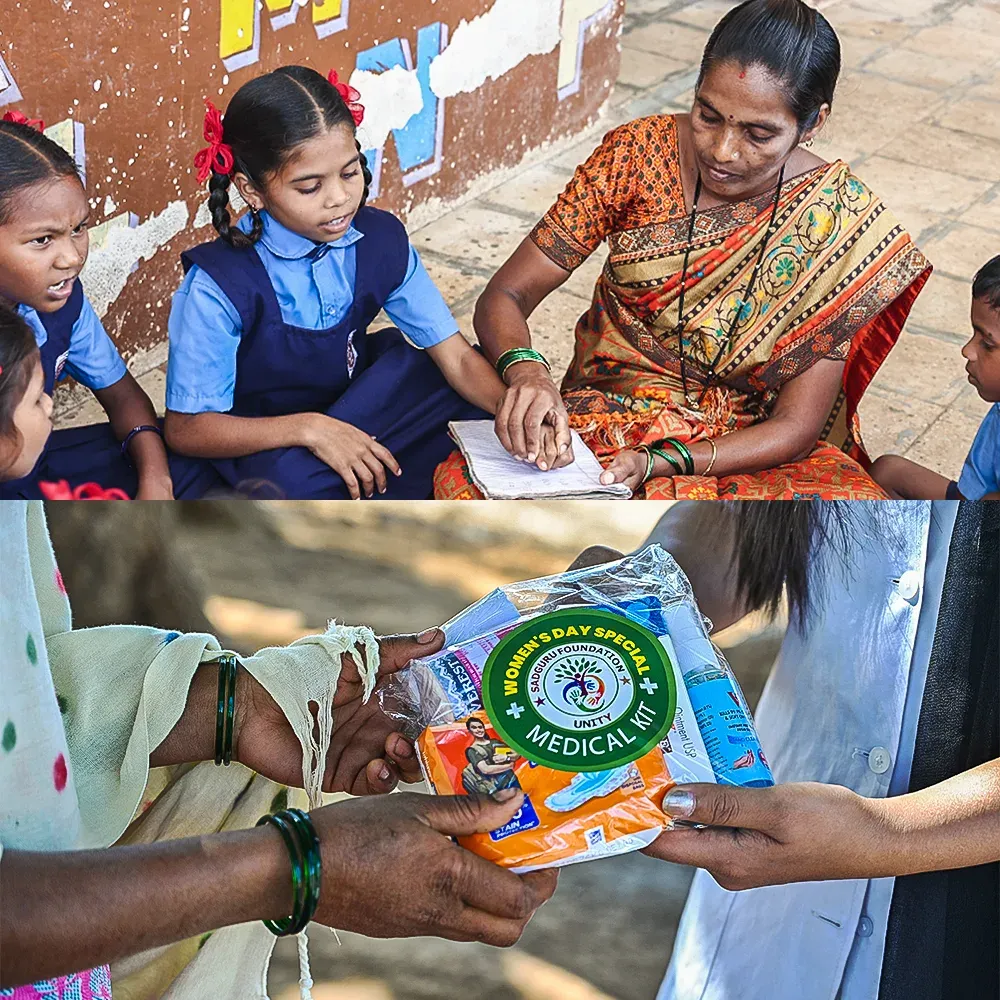
Health Camps and Mobile Clinics
Regular health camps bring medical services closer to communities. Screenings for diabetes, blood pressure, anemia, dental issues, and eye problems help detect diseases early.
How NGOs Empower Families Beyond Treatment
NGOs not only support medical treatment but also uplift families through complementary programs:
Educating Families About Preventive Health
Workshops on hygiene, nutrition, vaccination, and healthy habits help communities stay informed and safe from avoidable illnesses.
Emergency Assistance
During natural disasters or epidemics, NGOs act swiftly to deliver medicines, oxygen supplies, first aid, and basic healthcare support.
Rehabilitation Services
For patients recovering from major illnesses, rehabilitation and therapy services are essential to regain strength and resume normal life.
Challenges Faced by NGOs in Delivering Healthcare Support
Despite their significant work, NGOs face multiple obstacles:
- Limited funding sources
- Increasing number of patients requiring urgent help
- Difficulty in accessing remote areas
- Lack of awareness among communities
- Coordination challenges with hospitals and authorities
These challenges highlight the need for stronger public participation and policy support to maximize their impact.
How Individuals Can Contribute to Healthcare-Based NGO Work
Healthcare NGOs thrive on community participation. Individuals can support their efforts in several meaningful ways:
- Donating funds for medical care
- Volunteering at health camps
- Spreading awareness about healthcare programs
- Encouraging families to seek timely treatment
- Supporting rehabilitation and post-care services
Conclusion
NGOs play a transformative role in ensuring equitable healthcare access for the underprivileged. Their consistent efforts in funding treatments, raising awareness, running health camps, and supporting families make them indispensable in the fight against medical inequality. By strengthening NGO-driven initiatives and encouraging community participation, society can move one step closer to a future where healthcare is not a privilege but a basic right for every individual.
















Sign in to leave a comment.