Introduction
You wake up with a headache that coffee doesn't touch. Your jaw clicks when you yawn. Your partner mentions you grind your teeth so loudly it wakes them up. These aren't separate problems—they're symptoms of bruxism, and they're destroying your teeth while you sleep.
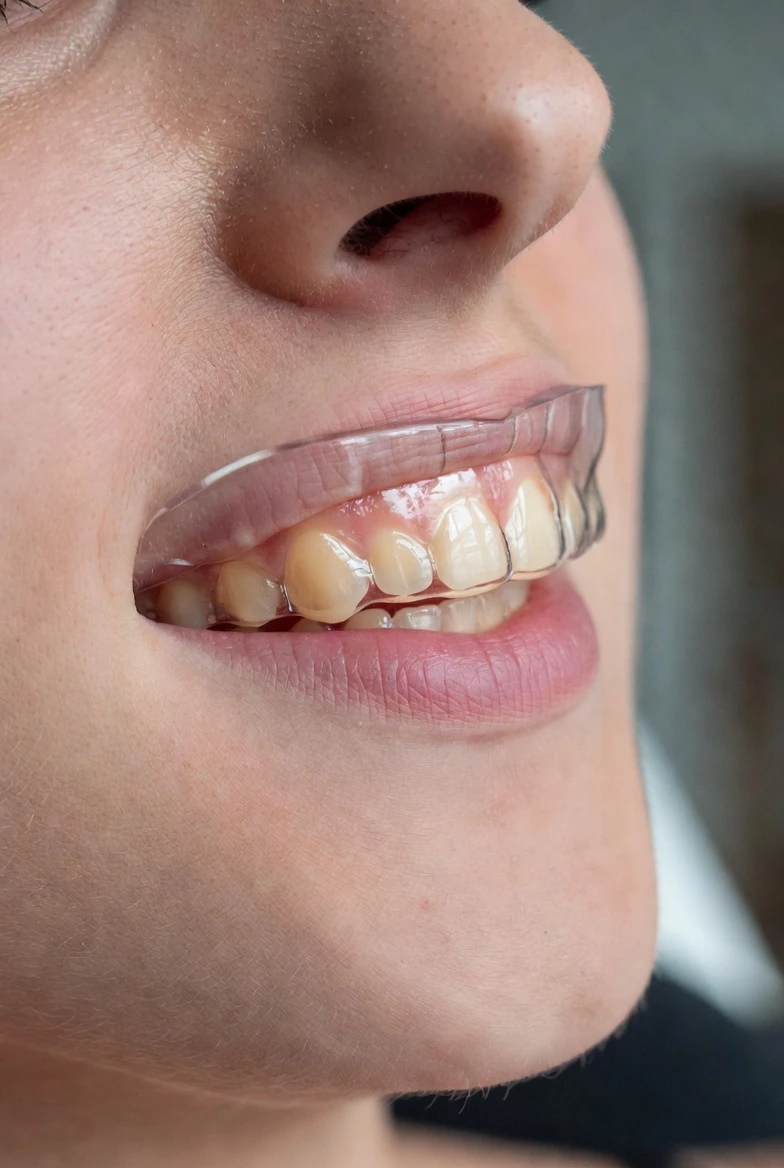
I spent years dismissing my morning jaw soreness as "sleeping funny." Then my dentist showed me photos of my worn-down canines and the hairline cracks spiderwebbing through my molars. The damage was done, silently, night after night. A custom night guard stopped the destruction immediately and gave me the first restful sleep I'd had in years.
Teeth grinding affects 10-15% of adults, though many never realize it. Unlike daytime habits you can consciously control, nocturnal bruxism happens during sleep when your bite force reaches up to 1,000 pounds per square inch—ten times normal chewing pressure. Without protection, this force crushes enamel, fractures teeth, and destroys the temporomandibular joint (TMJ) that connects your jaw to your skull.
Understanding Bruxism: The Nighttime Assault
Bruxism isn't just "bad habit"—it's a complex condition with multiple triggers:
Stress and anxiety are the primary psychological drivers. Your jaw clenches as a physical manifestation of mental tension, similar to how shoulders tighten. The problem? You can't consciously relax what you don't know you're doing.
Sleep disorders create a vicious cycle. Sleep apnea often coexists with bruxism; grinding may actually be your brain's attempt to reopen the airway. Treating one often improves the other.
Malocclusion (bite misalignment) forces your jaw to search for a comfortable position all night. If your teeth don't fit together properly when closed, your muscles work overtime trying to find stability, and professional dental treatment from Parramatta Green Dental can help correct these underlying issues.
Medications and substances including antidepressants (SSRIs), caffeine, alcohol, and recreational stimulants increase grinding frequency and intensity.
Neurological factors suggest bruxism involves abnormal brain signaling during sleep transitions, particularly between deep and light sleep phases.
| Bruxism Type | Timing | Primary Cause | Detection Method | Treatment Focus |
|---|---|---|---|---|
| Sleep bruxism | Nighttime | Central nervous system factors | Partner reports, morning symptoms, tooth wear | Night guard, stress management, sleep study |
| Awake bruxism | Daytime | Stress, concentration, habit | Self-awareness, daytime clenching awareness | Behavioral modification, biofeedback |
| Primary bruxism | No clear cause | Idiopathic (unknown) | Exclusion diagnosis | Symptom management |
| Secondary bruxism | Associated condition | Medication, Parkinson's, GERD, sleep apnea | Medical history, medication review | Treat underlying condition |
The Damage Report: What Grinding Actually Destroys
Bruxism doesn't just make noise—it creates a cascade of destruction that compounds over time:
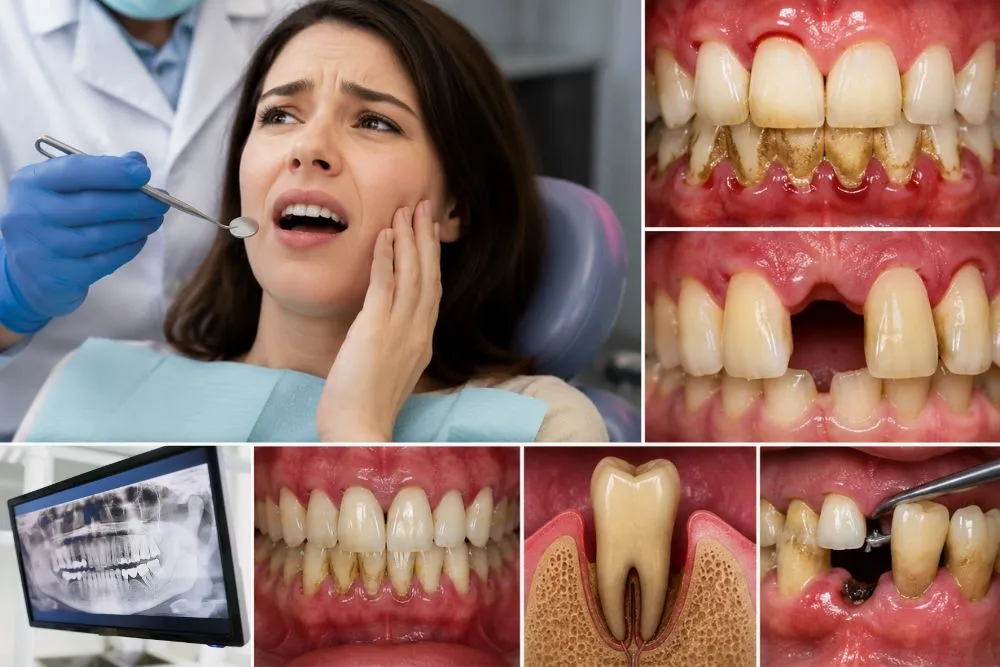
Dental damage is most visible. Enamel wears away, exposing softer dentin that erodes even faster. Teeth shorten, flatten, and develop cracks that reach the nerve requiring root canals. Restorations (fillings, crowns) fracture under grinding forces they weren't designed to withstand.
TMJ disorders develop as the joint endures repetitive trauma. The disc that cushions jaw movement becomes displaced, causing clicking, popping, locking, and pain that radiates to the ear, temple, and neck.
Muscle hypertrophy occurs in masseter muscles (your main chewing muscles) from overuse. Some grinders develop visibly squared jawlines—not from fitness, from pathology.
Sleep disruption affects both you and your partner. The noise and muscle activity fragment sleep architecture, reducing restorative deep sleep phases.
Night Guard Types: Finding Your Match
Not all night guards are created equal. The right choice depends on your grinding severity, bite characteristics, and comfort needs:
Soft guards (3-4mm flexible material) suit mild grinders and clenchers. They're comfortable, easy to adapt to, and protect against enamel wear. However, heavy grinders chew through them quickly, and they don't address significant bite issues.
Hard guards (2-3mm rigid acrylic) handle moderate to severe grinding. They distribute forces evenly and last longer, but initial adaptation is challenging. Some patients find them bulky or experience gagging.
Dual-laminate guards combine soft inner layers for comfort with hard outer layers for durability. They're the premium option for moderate to severe bruxism, offering protection without sacrificing wearability.
NTI-tss devices (Nociceptive Trigeminal Inhibition) cover only front teeth, preventing posterior contact and reducing grinding intensity by 70%. They're small and comfortable but unsuitable for patients with anterior guidance issues or certain bite types.
| Guard Type | Best For | Lifespan | Comfort Level | Cost Range | Pros | Cons |
|---|---|---|---|---|---|---|
| Soft/flexible | Mild bruxism, comfort priority | 6-12 months | High | $100-300 (OTC), $300-500 (custom) | Easy adaptation, affordable | Wears quickly, limited protection |
| Hard acrylic | Moderate to severe grinding | 2-5 years | Moderate | $500-1,000 | Durable, precise fit | Initial bulk, adjustment period |
| Dual-laminate | Moderate to severe, comfort needed | 1-3 years | High | $600-1,200 | Best of both worlds | Higher cost |
| NTI-tss | Severe grinding, small mouth | 1-2 years | Very high | $500-800 | Minimal bulk, effective reduction | Not for all bite types, potential tooth movement |
Comparative Analysis: Store-Bought vs. Custom Night Guards
| Feature | Boil-and-Bite (OTC) | Custom Dental |
|---|---|---|
| Fit accuracy | Approximate, often loose | Precise to tooth anatomy |
| Comfort | Bulky, gagging common | Minimal bulk, adapted to your mouth |
| Durability | 3-6 months typically | 2-5 years depending on material |
| Protection level | Basic—prevents some wear | Complete—distributes forces optimally |
| Adjustment capability | None | Professional modification as needed |
| Bite relationship | Ignores occlusion | Can be adjusted to optimize jaw position |
| TMJ treatment | None | Can incorporate therapeutic jaw positioning |
| Long-term cost | $100-200/year | $500-1,200/3-5 years |
The Custom Fabrication Process: Precision Engineering
Creating a therapeutic night guard requires dental expertise that mass production can't replicate:
Comprehensive evaluation includes examination of tooth wear patterns, TMJ function, muscle palpation, and bite analysis. Your dentist isn't just making a plastic tray—they're designing a medical device that may need to reposition your jaw, unload specific teeth, or stabilize the TMJ.
Impression taking captures your bite relationship at the desired therapeutic position. For TMJ disorders, this might mean a slightly open or forward position that reduces joint loading. Standard impressions miss these nuances.
Articulator mounting places your models on a mechanical device that simulates jaw movement. This allows the technician to check for interferences and ensure your guard won't create new problems while solving old ones.
Material selection matches your needs. Heavy grinders get harder materials; TMJ patients might need specific thicknesses to achieve joint decompression; comfort-focused patients get polished edges and balanced occlusion.
Delivery and adjustment involve fitting the guard, checking bite contacts with articulating paper, and ensuring muscle release when you close on the appliance. Minor adjustments make the difference between "I can't wear this" and "I forget it's there."
Beyond the Guard: Comprehensive Bruxism Management
A night guard protects your teeth, but it doesn't cure bruxism. Optimal management addresses root causes:
Stress reduction techniques show measurable impact. Cognitive behavioral therapy, mindfulness meditation, and progressive muscle relaxation reduce grinding frequency in clinical studies. Even simple bedtime routines—limiting screen time, warm baths, reading—improve sleep quality and reduce parasympathetic nervous system activation.
Sleep apnea screening is essential for many grinders. If you snore, gasp during sleep, or wake unrefreshed, a sleep study is warranted. Treating apnea with CPAP or oral appliances often eliminates grinding entirely.
Botox injections into masseter muscles reduce grinding force by temporarily weakening the muscles. Effects last 3-4 months. This isn't first-line treatment, but it's valuable for severe cases or when guards aren't tolerated.
Physical therapy for the jaw teaches proper resting position (lips together, teeth apart, tongue on the roof of the mouth) and stretches tight muscles. Many grinders hold tension constantly, not just at night.
Medication review with your physician may identify contributing drugs. Switching antidepressants or adjusting timing can reduce nocturnal bruxism.
Living With Your Night Guard: Practical Tips
Adaptation takes time, but these strategies accelerate comfort:
Wear it consistently. Skipping nights allows grinding to resume and makes readaptation harder. Most patients adjust within 2-3 weeks of nightly use.
Clean it daily. Morning brushing with non-abrasive toothpaste prevents bacterial buildup and odor. Weekly soaking in denture cleaner maintains clarity and freshness.
Store properly. The provided case protects from pets (who love chewing these) and heat damage. Never leave it in hot cars or direct sunlight.
Bring it to dental visits. Your dentist checks fit, wear patterns, and whether adjustments are needed. A guard that fit perfectly may need modification after dental work or natural tooth shifting.
Replace when worn. Thin areas, holes, or rough surfaces indicate it's time for a new guard. Worn guards protect poorly and can irritate soft tissues.
Conclusion
Teeth grinding is a thief that steals your enamel, your sleep, and your quality of life while you remain unaware. But it's also treatable—protectable, manageable, and often resolvable with the right combination of professional intervention and lifestyle modification.
A custom night guard isn't just dental hardware; it's peace of mind. It's waking up without headaches. It's preserving your teeth for decades rather than repairing damage constantly. It's giving your jaw the rest it desperately needs.


























Sign in to leave a comment.