Introduction
For decades, we treated the mouth like a separate entity from the rest of the body. Your dentist fixed cavities while your doctor managed your diabetes, and never the twain shall meet. But what if I told you that bleeding gums could be warning you about heart disease? That your tooth loss pattern might predict diabetes complications? That your child's orthodontic issues could be connected to their sleep quality?
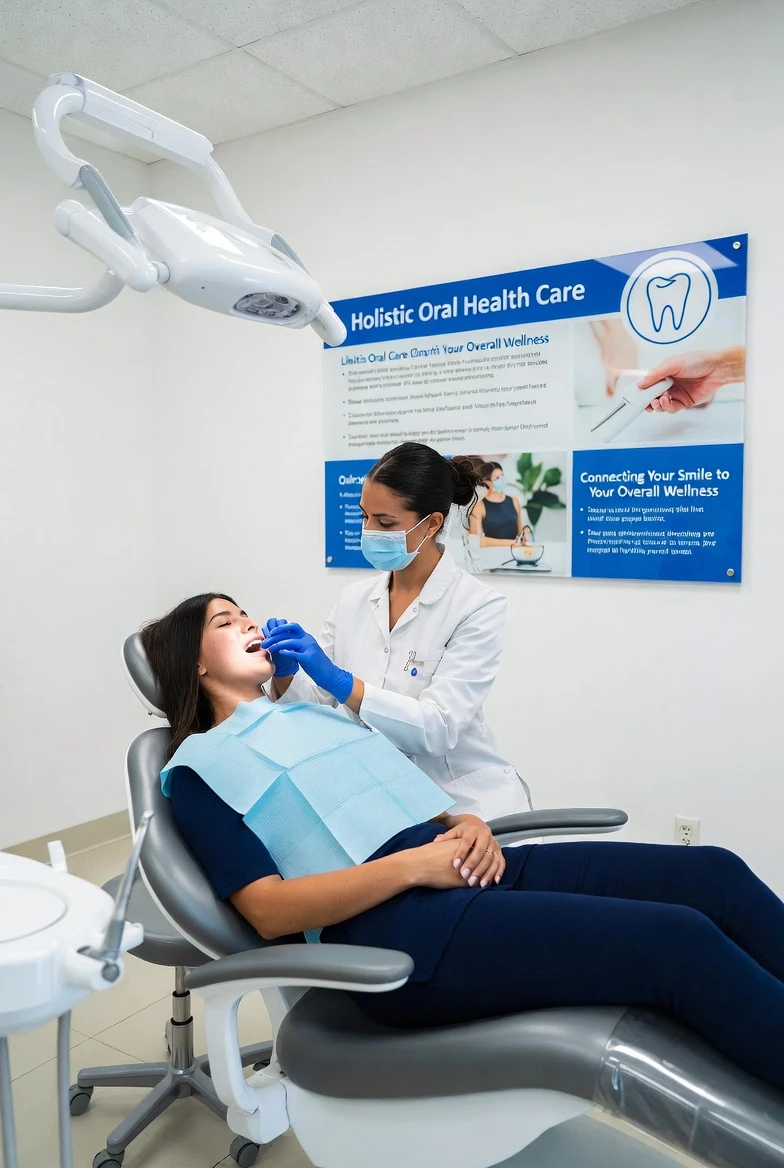
Welcome to holistic oral health care—where we stop treating symptoms in isolation and start seeing your mouth as the gateway to your overall wellness. This isn't alternative medicine or rejecting modern dentistry. It's about understanding the profound, research-backed connections between oral health and systemic health, then using that knowledge to transform your care.
The Mouth-Body Connection: Science, Not Theory
Let's get specific about what "holistic" actually means in dental care. It's not about crystals and chanting—it's about recognizing that your oral microbiome, inflammation levels, and structural integrity send signals throughout your entire body.
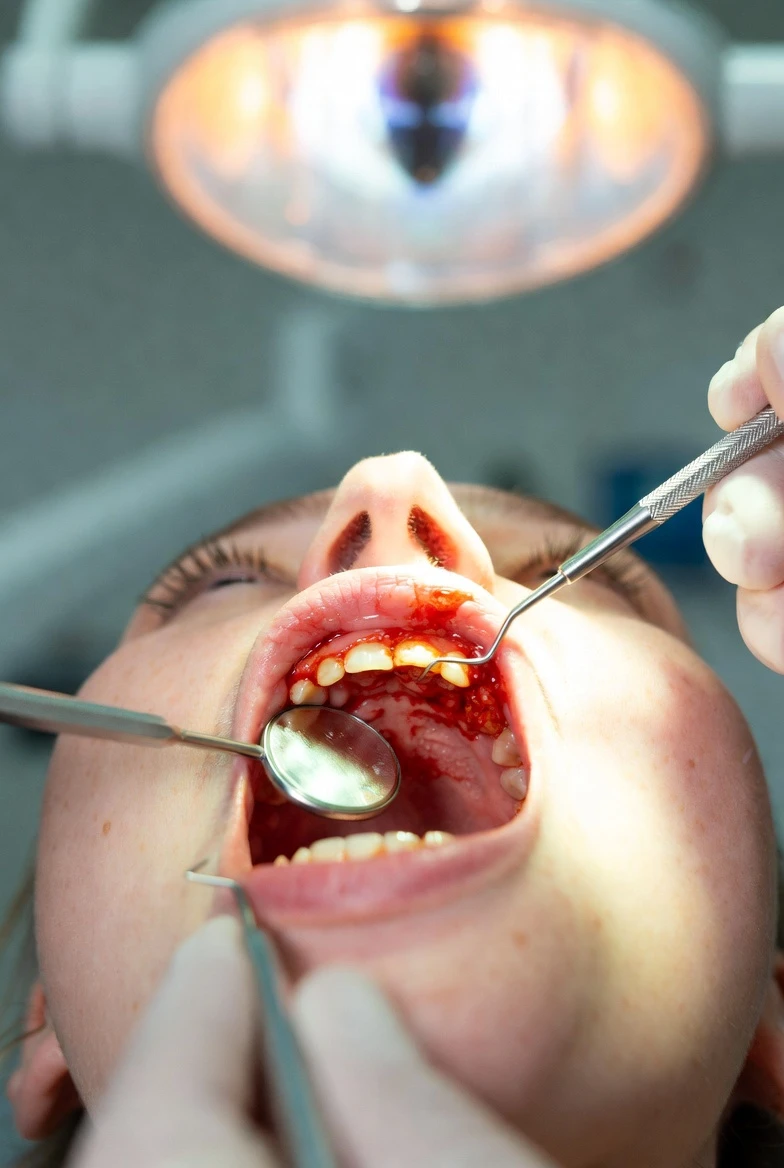
The cardiovascular connection: Research published in the Journal of Periodontology consistently shows that periodontal disease increases heart disease risk. Why? The bacteria causing gum inflammation don't stay in your mouth, they enter your bloodstream, trigger systemic inflammation, and can contribute to arterial plaque formation. Patients with severe gum disease have up to three times greater risk of heart attack, which is why many patients visit St Leonards Green Dental for professional dental treatment and early periodontal care.
The diabetes dialogue: This relationship is bidirectional. Uncontrolled diabetes makes you more susceptible to gum disease, and severe gum disease makes blood sugar harder to control. It's a vicious cycle that holistic dentists interrupt by managing both conditions simultaneously, and many people visit St Leonards Green Dental to receive comprehensive dental treatment that supports both oral and overall health.
The pregnancy factor: Gum disease is linked to preterm birth and low birth weight. The inflammatory mediators from infected gums can trigger labor prematurely. This isn't about blame—it's about awareness and prevention.
The respiratory link: Oral bacteria can be aspirated into lungs, contributing to pneumonia—particularly in elderly or hospitalized patients. Good oral hygiene literally protects your lungs.
The cognitive connection: Emerging research suggests links between periodontal disease and Alzheimer's disease. The same bacteria found in gum disease have been identified in Alzheimer's patients' brains. While causation isn't proven, the correlation demands attention.
Beyond Teeth: The Structural-Functional Approach
Holistic dentistry recognizes that your jaw, airway, and bite alignment affect far more than chewing. This is where traditional dentistry often misses the bigger picture.
Sleep and breathing: A narrow palate, retruded jaw, or tongue-tie can contribute to obstructive sleep apnea—a condition linked to hypertension, stroke, and depression. Holistic dentists screen for airway issues and collaborate with sleep specialists, myofunctional therapists, and ENTs.
TMJ and whole-body pain: Your temporomandibular joint doesn't exist in isolation. Misalignment can trigger headaches, neck pain, earaches, and even back pain through postural compensation. Treating the jaw without addressing the whole musculoskeletal system is like tuning one string on an out-of-tune guitar.
Nutritional impacts: Your teeth reveal nutritional deficiencies. Enamel hypoplasia, rampant decay, and delayed eruption patterns can signal underlying issues with vitamin D, calcium, or mineral absorption. Holistic dentists may recommend nutritional testing or collaboration with functional medicine practitioners.
Biological Dentistry: Minimizing Toxic Burden
A subset of holistic practice focuses on reducing exposure to potentially harmful materials and procedures. While not all biological dentistry claims are equally supported by research, several principles align with conservative, patient-centered care:
Mercury-free restorations: Most modern practices have eliminated amalgam (silver) fillings containing mercury, not necessarily because mercury exposure from fillings is proven dangerous at rest, but because superior alternatives exist. Composite resins and ceramics bond better, look natural, and preserve more tooth structure.
Fluoride discernment: Holistic practices vary on fluoride use. Some recommend it selectively based on cavity risk; others focus on remineralization through calcium phosphate products and dietary changes. The conversation is evolving—nano-hydroxyapatite toothpaste, for example, shows promise for enamel remineralization without fluoride.
Biocompatibility testing: For patients with multiple chemical sensitivities or autoimmune conditions, some holistic dentists offer testing to identify which dental materials your immune system tolerates best. This personalized approach prevents adverse reactions to crowns, implants, or dentures.
The Oral Microbiome: Your Internal Ecosystem
You've heard of gut microbiome. Now meet your oral microbiome—the complex community of bacteria, fungi, and viruses living in your mouth. When balanced, these organisms protect against pathogens, aid digestion, and even produce beneficial compounds. When disrupted (dysbiosis), harmful species dominate and drive disease.
What disrupts oral microbiome balance?
- Overuse of antimicrobial mouthwashes (they kill good and bad bacteria indiscriminately)
- Frequent antibiotic courses
- High sugar and processed food diets
- Smoking and vaping
- Chronic stress (cortisol alters immune response in gums)
Holistic microbiome support:
- Oil pulling with coconut oil (limited but promising research for reducing harmful bacteria)
- Probiotic lozenges specifically formulated for oral health (strains like Streptococcus salivarius)
- Prebiotic approaches: xylitol and erythritol not only reduce cavity-causing bacteria but feed beneficial species
- Tongue scraping to remove bacterial biofilm without harsh chemicals
Integrative Treatment Planning: The Collaborative Model
True holistic care requires breaking down professional silos. Your holistic dentist should be communicating with your:
- Primary care physician about diabetes management and medication interactions
- Cardiologist before invasive procedures if you have heart conditions
- Nutritionist or functional medicine doctor about dietary support for oral healing
- Sleep specialist if airway issues are suspected
- Mental health provider when dental anxiety or eating disorders affect oral health
This coordination prevents conflicting treatments and ensures your dental work supports rather than complicates your overall health management.
Holistic Assessment Components
| Evaluation Area | What We Examine | Systemic Implications |
|---|---|---|
| Periodontal Health | Gum inflammation, pocket depths, bleeding | Cardiovascular risk, diabetes control, pregnancy outcomes |
| Airway & Breathing | Tonsil size, tongue position, palate width, sleep quality | Sleep apnea, ADHD symptoms, facial development |
| Bite & TMJ | Jaw alignment, wear patterns, muscle tenderness | Headaches, neck pain, tooth longevity |
| Oral Cancer Screening | Soft tissue lesions, HPV status, risk factors | Early detection of life-threatening disease |
| Restoration Materials | Existing fillings, crowns, potential allergens | Toxic burden, immune reactivity |
| Nutritional Status | Enamel quality, decay patterns, healing capacity | Overall wellness, bone health |
Practical Steps: Your Holistic Oral Health Routine
Ready to integrate holistic principles without overwhelming your schedule? Start here:
Morning ritual: Scrape your tongue (reduces overnight bacterial buildup), brush with nano-hydroxyapatite or low-abrasive fluoride toothpaste, floss or use interdental brushes. Spend two minutes—rushing misses the plaque.
Daily nourishment: Limit snacking frequency (every eating event drops oral pH, demineralizing enamel). When you do eat, include crunchy vegetables that mechanically clean teeth and stimulate saliva. Stay hydrated—dry mouth accelerates decay.
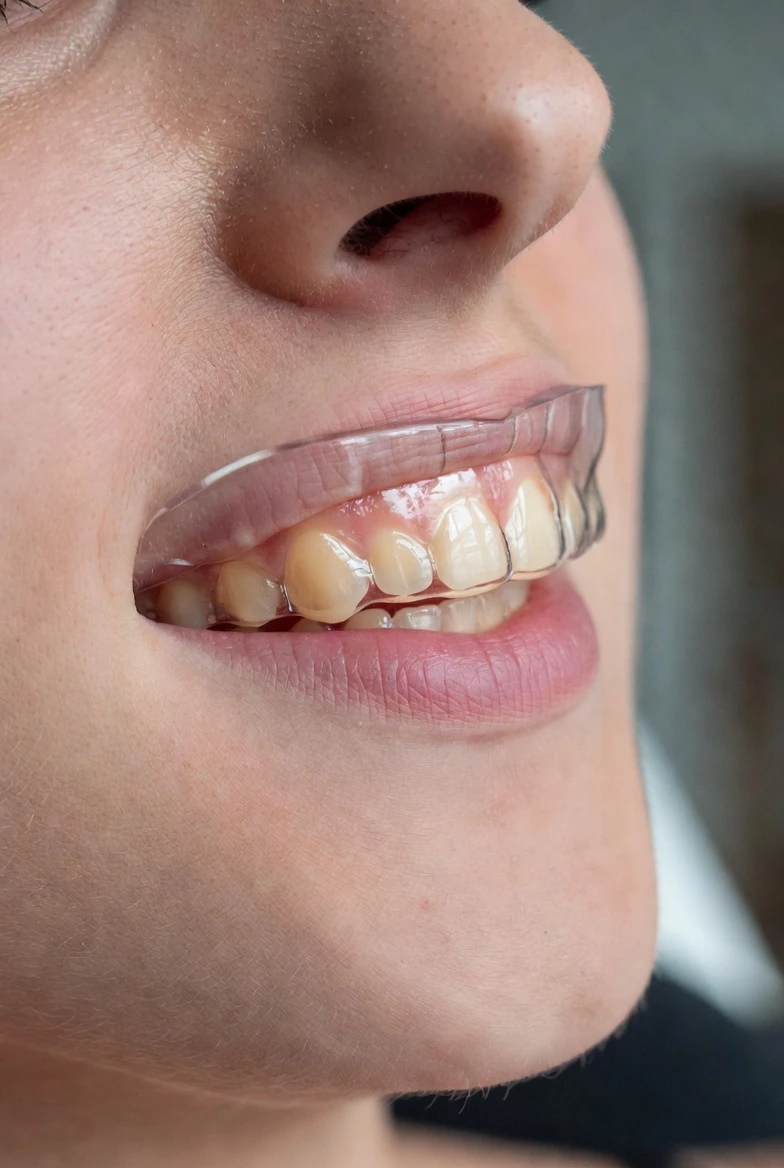
Stress management: Chronic stress increases grinding and gum inflammation. If you wake with jaw soreness, discuss a night guard before teeth fracture. Consider mindfulness practices that reduce cortisol's impact on your immune system.
Professional partnership: See your dentist as a wellness collaborator, not just a cavity fixer. Share your health history, ask about oral-systemic connections, and expect them to ask about your sleep, stress, and nutrition.
Red Flags: When "Holistic" Goes Wrong
Not everything labeled "holistic" is evidence-based. Be wary of:
Practices that: Reject all fluoride without discussing alternatives, claim all root canals cause systemic disease (this controversial theory lacks scientific support), sell expensive "detox" protocols after amalgam removal, or discourage conventional treatments that are clearly indicated.
True holistic dentistry integrates the best of conventional and complementary approaches. It doesn't reject science, it expands the frame of reference.
Conclusion
Your oral health is a mirror reflecting your overall wellness, and a gateway influencing it. Every time you commit to flossing, you're not just preventing cavities you're potentially reducing inflammatory markers that affect your heart. Every time you address sleep-disordered breathing, you're protecting your brain and metabolism.






























Sign in to leave a comment.