Introduction
Let's start with a confession: I used to be terrified of the dentist. The smell of the office, the sound of the drill, the vulnerability of lying back while someone hovered over my open mouth. I avoided appointments for three years until a minor cavity became a major infection. That experience taught me something crucial: dental fear doesn't just affect your comfort—it affects your health.
If you're reading this with a racing heart or clenched jaw, you're not alone. Dental anxiety affects up to 36% of the population, with 12% experiencing extreme fear. And here's what breaks my heart: most of this anxiety is preventable with modern stress-free dentistry techniques.
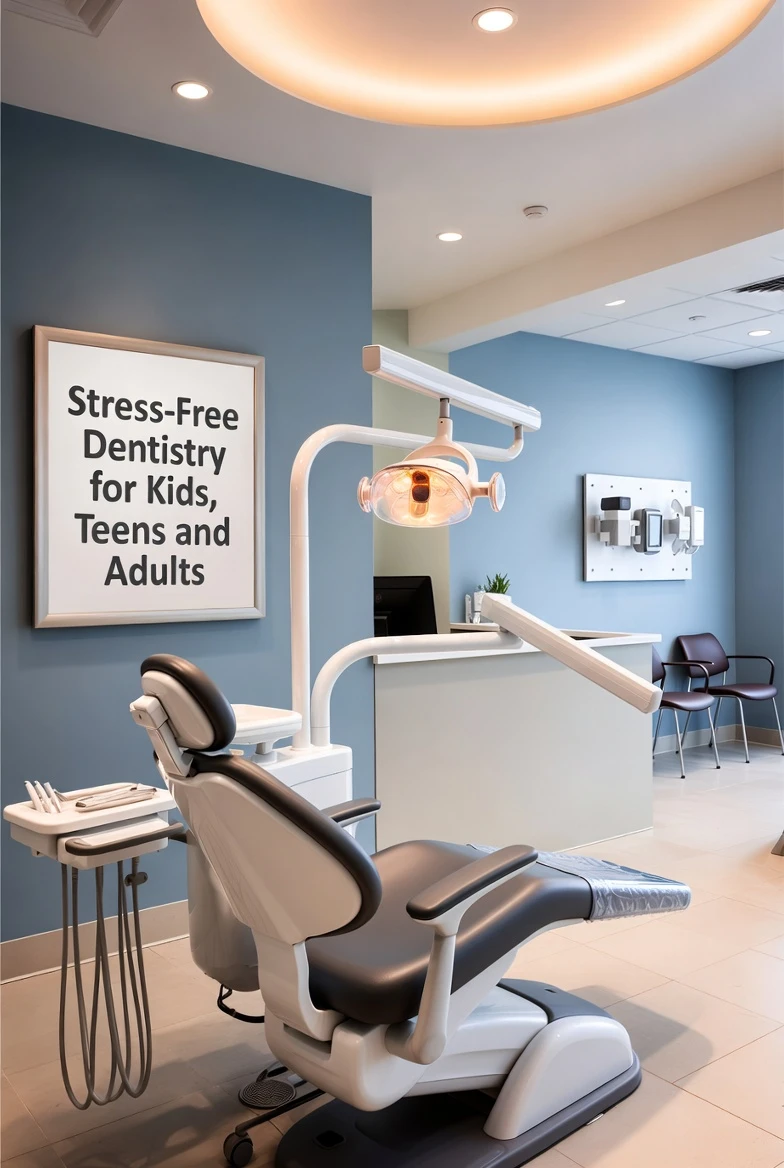
Today, we're exploring how dental practices have transformed to prioritize your psychological comfort alongside your clinical care. Whether you're booking a child's first visit, managing a teen's orthodontic journey, or finally addressing your own long-neglected smile, there's a path forward that doesn't involve white-knuckling through appointments.
Understanding Dental Anxiety: It's Not "Just in Your Head"
Before we discuss solutions, let's validate the problem. Dental anxiety isn't weakness or irrationality—it's often rooted in legitimate experiences:
Direct conditioning: Previous painful procedures, particularly in childhood, create lasting neural associations between dental settings and threat.
Vicarious learning: Watching parents fear dentistry or hearing horror stories programs anxiety before you ever sit in a chair.
Control issues: The dental position reclined, mouth open, unable to speak—triggers vulnerability responses, especially for trauma survivors.
Embarrassment cycles: Avoidance leads to worse oral health, which increases shame about the condition of your mouth, which drives further avoidance. Taking the first step to visit St Leonards Green Dental for professional dental treatment can help break this cycle by providing supportive care in a comfortable environment.
Sensory sensitivities: For some, the sounds, smells, and tactile sensations of dentistry are inherently overwhelming, common in autism spectrum conditions. At St Leonards Green Dental, dental treatment plans can be adapted to reduce discomfort and create a calmer experience.
Understanding your specific triggers helps your dental team customize your comfort plan. There's no one-size-fits-all approach to stress-free care.
Pediatric Dentistry: Building Positive Foundations
Here's the truth that guides every pediatric dental specialist: a child's early experiences shape their dental relationship for life. One traumatic visit at age four can create avoidance patterns that persist for decades.
The age-one recommendation: The American Academy of Pediatric Dentistry recommends first visits by 12 months or within six months of first tooth eruption. This isn't about cleaning—it's about establishing the dental home as a safe, familiar place before anxiety can develop.
Tell-show-do technique: Rather than surprising children with procedures, pediatric dentists explain ("We're going to count your teeth"), demonstrate ("This is the mirror we use"), then perform. Predictability reduces fear.
Positive reinforcement focus: Modern pediatric practices emphasize praise and small rewards over threats or criticism. "You did such a great job keeping your mouth open" builds confidence.
Parental presence policies: Some children do better with parents in the room; others are more cooperative when parents wait outside. Quality practices respect individual needs rather than enforcing blanket policies.
Behavior guidance, not restraint: Physical restraint (papoose boards) is increasingly rare, replaced by behavioral techniques, distraction, and when necessary, appropriate sedation.
Teen-Specific Strategies: Autonomy and Aesthetics
Adolescence brings unique dental challenges. Teens are developing independence but may still need support managing anxiety. Plus, appearance concerns peak during orthodontic and wisdom teeth years.
Shared decision-making: Involving teens in treatment choices ("Would you prefer Invisalign or braces?") increases buy-in and reduces anxiety through perceived control.
Technology integration: Practices that offer Netflix during procedures, text reminders, or app-based progress tracking speak teen language and reduce appointment stress.
Social anxiety considerations: Teenagers often worry about being judged for their oral health or appearance. Non-judgmental, confidential care is essential.
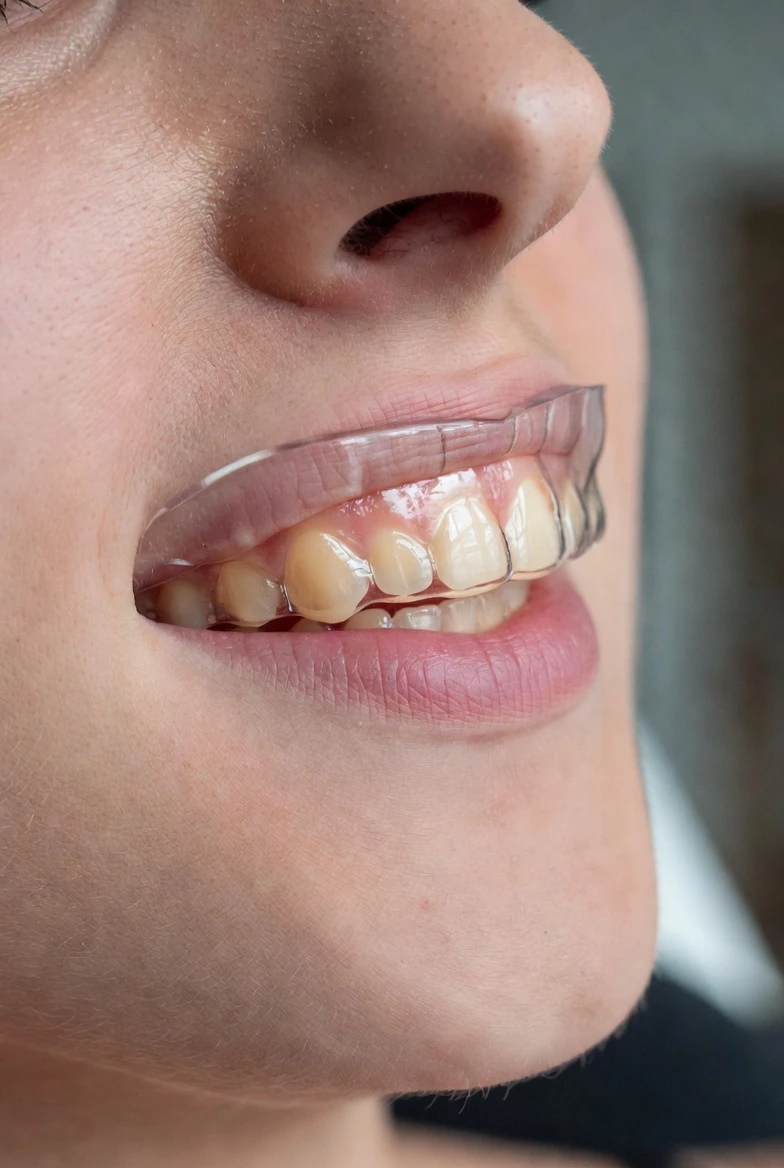
Orthodontic comfort: Modern options like clear aligners, ceramic braces, and accelerated treatment protocols reduce the social and physical discomfort that drove previous generations' dental dread.
Adult Anxiety Management: It's Never Too Late
If you've avoided dentistry for years (or decades), you might feel it's too late to change your relationship with dental care. It's not. Adult stress-free dentistry has evolved remarkably.
The consultation-first approach: Many anxious adults benefit from an initial appointment that's purely conversational—no examination, no instruments, just discussion of concerns and development of a trust relationship.
The signal system: Establishing a hand signal that immediately pauses treatment gives back control. Knowing you can stop at any moment often prevents the need to use the signal.
Gradual exposure protocols: Starting with non-invasive procedures (cleanings, examinations) before progressing to restorative work builds confidence incrementally.
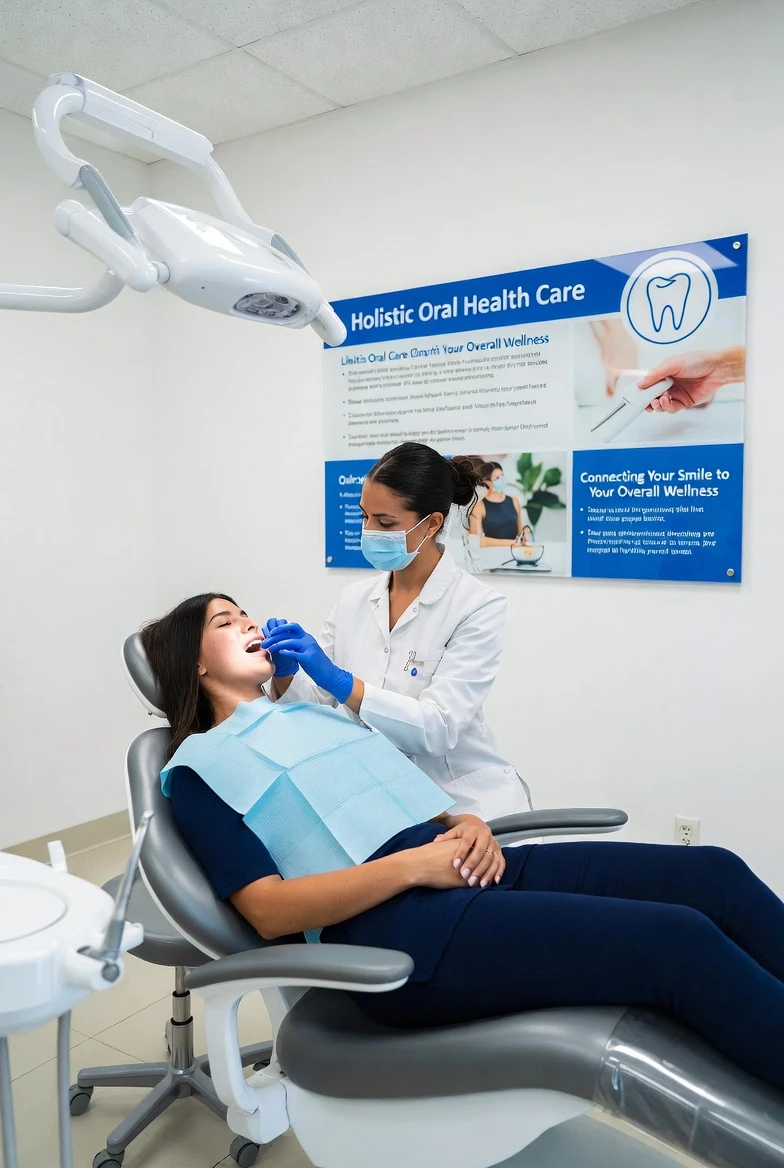
Cognitive reframing: Working with dental teams who explain procedures thoroughly, answer questions patiently, and never dismiss concerns helps reframe dental visits from threat to self-care.
Sedation Options: The Comfort Spectrum
Modern dentistry offers sedation options ranging from mild relaxation to complete unconsciousness. Understanding the spectrum helps you choose appropriately:
Nitrous oxide (laughing gas): Inhaled through a nose mask, this creates mild euphoria and relaxation within minutes. It wears off immediately after the mask is removed, allowing you to drive home. Ideal for mild to moderate anxiety and routine procedures.
Oral conscious sedation: Prescription medications (typically benzodiazepines like Halcion or Valium) taken before your appointment create deeper relaxation. You'll remain awake but may not remember the procedure. Requires a driver and monitoring of vital signs.
IV moderate sedation: Delivered intravenously, this allows precise titration of medication for deeper relaxation while maintaining consciousness. Amnesia is common. Requires specialized training and monitoring.
General anesthesia: Complete unconsciousness, typically reserved for extensive surgical procedures, special needs patients, or extreme phobia cases. Performed in hospital or surgical center settings.
Sedation Comparison for Anxiety Management
| Sedation Type | Depth of Relaxation | Amnesia Effect | Recovery Time | Best For | Cost Factor |
|---|---|---|---|---|---|
| Nitrous Oxide | Mild-moderate | Minimal | Immediate | Mild anxiety, routine work | Low |
| Oral Sedation | Moderate | Common | 4-6 hours | Moderate anxiety, longer appointments | Moderate |
| IV Sedation | Deep | Very common | 6-8 hours | Severe anxiety, complex procedures | Higher |
| General Anesthesia | Unconscious | Complete | 24+ hours | Extreme phobia, surgical cases | Highest |
Technology That Transforms Comfort
Beyond sedation, modern equipment dramatically reduces the sensory triggers that drive anxiety:
Noise-canceling headphones with entertainment: Block the drill's whine while watching your favorite show.
Dental lasers: For many procedures, lasers replace drills entirely—no noise, no vibration, often no anesthesia needed.
Digital impressions: Those goopy, gag-inducing impression trays are being replaced by quick, comfortable digital scans.
Electric handpieces: Modern drills are quieter, smoother, and more precise than their screeching predecessors.
Computer-assisted anesthesia: The Wand and similar systems deliver anesthesia so slowly and precisely that you often don't feel the "pinch" of traditional injections.
Isolation systems: Devices like the Isolite keep your mouth comfortably open, control moisture, and protect your airway without the old rubber dam sensation.
Creating Your Personal Comfort Plan
Here's how to advocate for stress-free care:
Before your appointment:
- Be honest about your anxiety level when booking—they can schedule extra time
- Request a consultation before treatment to meet the team
- Ask about specific comfort technologies available
- Discuss sedation options and pre-appointment medications if needed
During your visit:
- Establish your stop signal immediately
- Bring noise-canceling headphones and a comfort playlist
- Use the restroom beforehand to reduce physical tension
- Practice box breathing (4 counts in, hold, out, hold) to manage physiological arousal
Aftercare considerations:
- Schedule recovery time if you've had sedation
- Plan a reward for completing the appointment
- Reflect on what worked and what didn't for future visits
Special Considerations: Trauma-Informed Care
For patients with histories of trauma, dental visits can trigger flashbacks or panic attacks. Trauma-informed dental practices:
- Offer fully clothed initial consultations
- Never position themselves over patients without warning
- Provide weighted blankets for grounding
- Allow companion animals or support persons
- Use consent check-ins throughout procedures
- Offer referrals to mental health professionals when appropriate
If you have PTSD or trauma history, specifically seek practices advertising trauma-informed care, this specialized training makes profound differences.
Conclusion
You deserve dental care that doesn't traumatize you. The techniques and technologies exist; you simply need to find providers who prioritize them and advocate for your own comfort needs.


























Sign in to leave a comment.