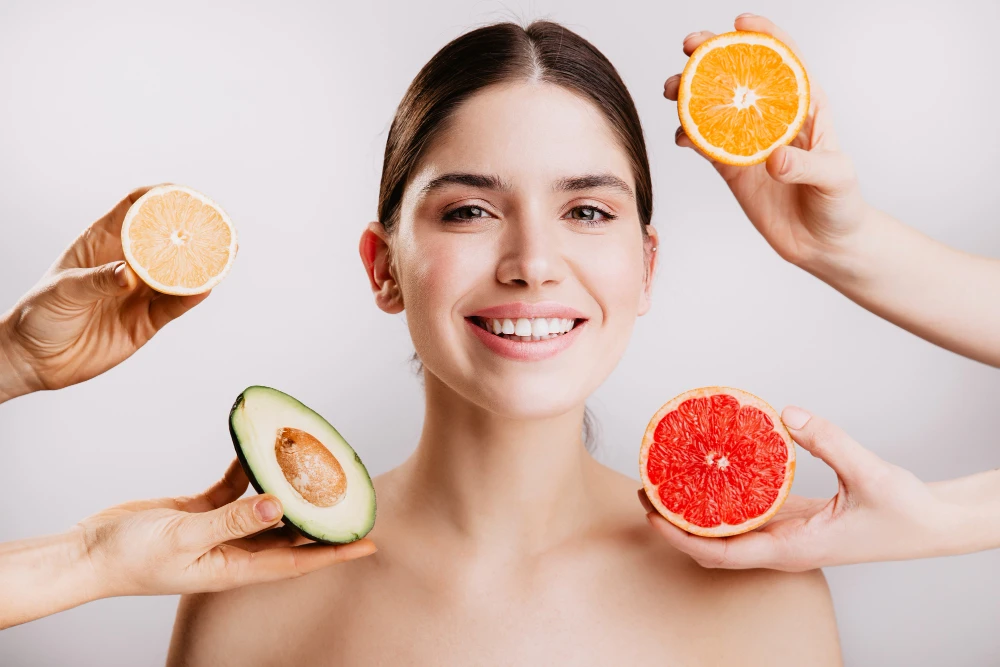

The secret to radiant skin isn't just in the bottles and jars on your shelf; it's also on your plate. What you eat profoundly impacts your skin's health, influencing everything from its clarity to its resilience against aging. This guide explores the crucial connection between diet and skin, providing you with the knowledge to eat your way to a healthy, glowing complexion.
The Diet-Skin Connection
Your skin reflects your overall health. Nutrients from food are the building blocks that enable skin to regenerate, maintain elasticity, and stay hydrated. A balanced intake of vitamins, minerals, and antioxidants is essential for that coveted glow. Choosing the right foods can strengthen your skin's defenses, reduce inflammation, and promote a youthful appearance. Conversely, a diet loaded with sugar, processed ingredients, and high-glycemic foods can trigger breakouts, dryness, and premature aging.
Key Nutrients and Food Sources
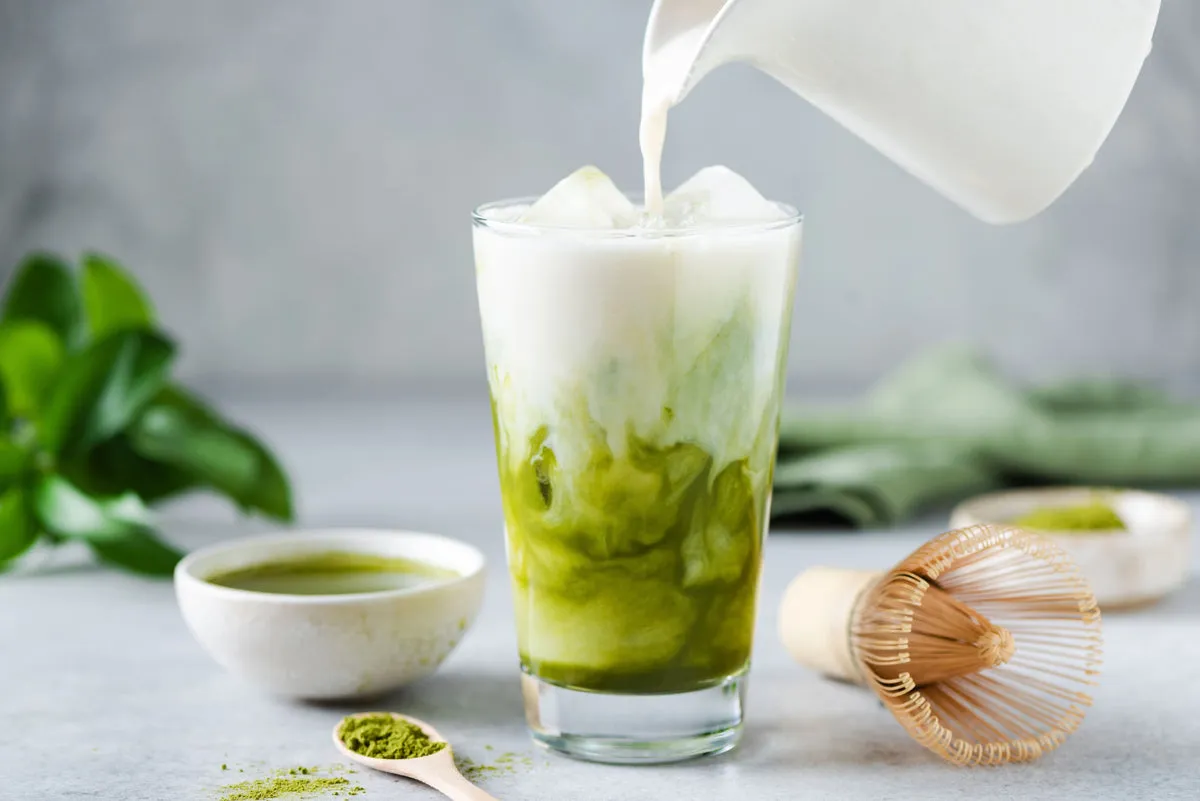
Antioxidants: Protect skin from environmental damage. Sources: Berries, dark chocolate (70%+ cocoa), green tea.
Omega-3 Fatty Acids: Support the skin's barrier and reduce inflammation. Sources: Salmon, walnuts, chia seeds, flaxseeds.
Vitamin C: Essential for collagen production. Sources: Citrus fruits, bell peppers, kiwi.
Vitamin E: A powerful antioxidant. Sources: Nuts, seeds, spinach.
Zinc: Promotes skin healing, helps control acne. Sources: Pumpkin seeds, chickpeas, lean meats, shellfish.
Water-Rich Foods: Hydrate skin from the inside out. Sources: Cucumber, watermelon, celery, leafy greens.
Foods to Minimize for Healthier Skin
Refined Sugars & High-Glycemic Foods: Can worsen acne. Examples: Sodas, pastries, white bread.
Dairy Products: May contribute to acne in some individuals.
Processed & Fried Foods: Can clog pores and irritate skin.
Alcohol & Caffeine: Dehydrate the skin.
Excess Salt: Can cause puffiness
Actionable Tips for a Skin-Friendly Diet
Hydrate: Drink at least 8 glasses of water daily.
Eat a Balanced Diet: Include a variety of fruits, vegetables, lean proteins, and healthy fats.
- Prioritize Whole Foods: Choose unprocessed options for maximum nutrients.
- Eat a Balanced Diet: Include a variety of fruits, vegetables, lean proteins, and healthy fats.
- Prioritize Whole Foods: Choose unprocessed options for maximum nutrients
For more detailed information on how diet affects your skin, check out this helpful resource: The Impact of Diet on Skin Health
At Illinois Dermatology Institute, we believe that healthy skin starts from within. Our specialists offer personalized advice and advanced treatments to complement your dietary efforts. Schedule a consultation to discover how we can help you achieve your skin goals.



















Sign in to leave a comment.