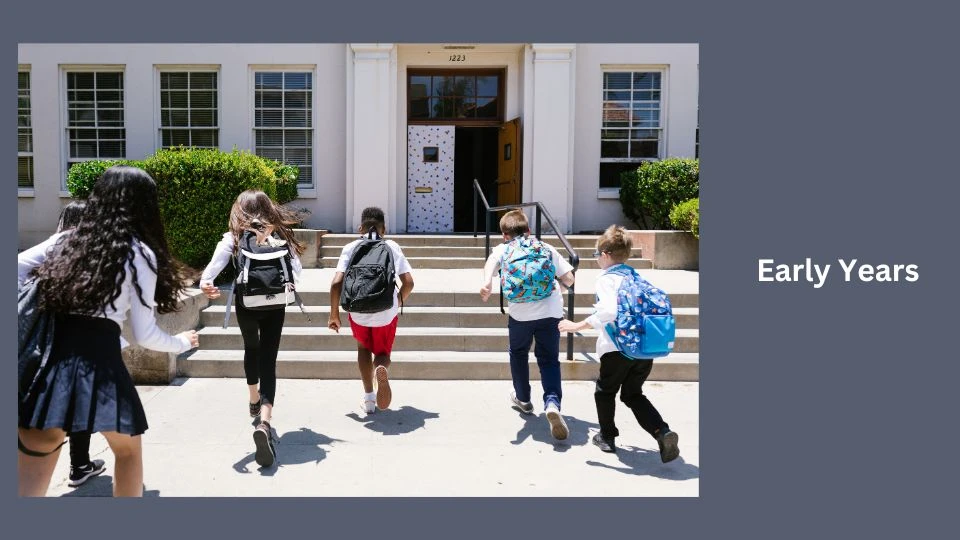

The early years of a child's life are a critical time for development. During these formative years, children absorb knowledge, build essential skills, and form the foundation for lifelong learning. To maximize the potential of our young learners, it is crucial to implement a holistic early years curriculum that fosters comprehensive growth and development. In this article, we will explore the significance of nurturing future minds through a holistic approach in early education.
The Role of Early Years Education
Early years education plays a pivotal role in a child's overall development. It serves as the building blocks upon which a child's future education and life experiences will be constructed. At this stage, children are like sponges, eager to absorb knowledge and acquire new skills. Therefore, it is essential to provide them with a curriculum that not only focuses on academic learning but also promotes social, emotional, physical, and creative development.
Holistic Development
A holistic early years curriculum is one that takes into account all aspects of a child's development. It recognizes that children are not just learners but also unique individuals with diverse needs. Here's how a holistic approach nurtures young minds:
Academic Learning: A good early years curriculum introduces children to fundamental academic concepts such as language, mathematics, and science in an age-appropriate and engaging manner. It sets the stage for future academic success.
Social Skills: Interacting with peers and adults is a crucial aspect of early childhood development. A holistic curriculum encourages positive social interactions, helping children develop communication skills, empathy, and the ability to work cooperatively.
Emotional Intelligence: Understanding and managing emotions is a skill that can impact a child's well-being throughout life. A holistic curriculum teaches children to identify and express their feelings and helps them develop strategies for emotional self-regulation.
Physical Development: Physical activities and exercises are integrated into a holistic curriculum to promote motor skills, coordination, and overall physical health. Play-based learning is a key component in achieving this.
Creative Expression: Nurturing creativity is essential. Creative activities like art, music, and storytelling allow children to explore their imagination, develop problem-solving skills, and enhance their self-expression.
Play-Based Learning
One of the cornerstones of a holistic early years curriculum is play-based learning. Play is the natural way children explore the world around them. It stimulates their imagination, enhances their problem-solving abilities, and encourages curiosity. Through play, children learn to communicate, negotiate, and develop essential social skills.
Structured play activities, such as building with blocks, role-playing, and group games, are designed to promote cognitive development while being enjoyable. These activities not only help children develop academically but also foster a love for learning that will stay with them throughout their lives.
Individualized Learning
Every child is unique, with their own strengths, interests, and pace of development. A holistic early years curriculum recognizes this individuality and tailors learning experiences to meet each child's needs. Teachers observe and assess children's progress and adjust the curriculum accordingly.
This personalized approach ensures that children are challenged appropriately and given the support they need to succeed. It fosters a sense of accomplishment and self-confidence, laying a strong foundation for future learning.
Emotional Well-being
Emotional well-being is at the core of a holistic early years curriculum. Children need a safe and nurturing environment where they can express their feelings and emotions without judgment. Teachers and caregivers play a crucial role in creating this supportive atmosphere.
When children feel emotionally secure, they are more open to learning and exploring. They develop a positive self-image and a strong sense of belonging, which are essential for their overall development.
Parental Involvement
Parents are a child's first and most important teachers. A holistic early years curriculum recognizes the importance of involving parents in their child's education. It encourages open communication between parents and educators, providing opportunities for parents to understand their child's progress and contribute to their development.
By working together, parents and educators can create a unified and supportive learning environment that benefits the child's growth and development.
Conclusion
Nurturing future minds through a holistic early years curriculum is vital for laying a strong foundation for lifelong learning and success. Such a curriculum recognizes that children are more than just students; they are individuals with unique needs, strengths, and potential.























Sign in to leave a comment.