

A nylon splint can offer a practical way to support certain dental needs while providing a comfortable and discreet appearance. Made from a flexible dental material, it may be considered when a patient needs support for missing teeth or specific oral structures. Understanding how it works, what it can offer, and whether it suits your situation can help you feel more prepared before discussing treatment with a dental professional.
What Is a Nylon Splint?
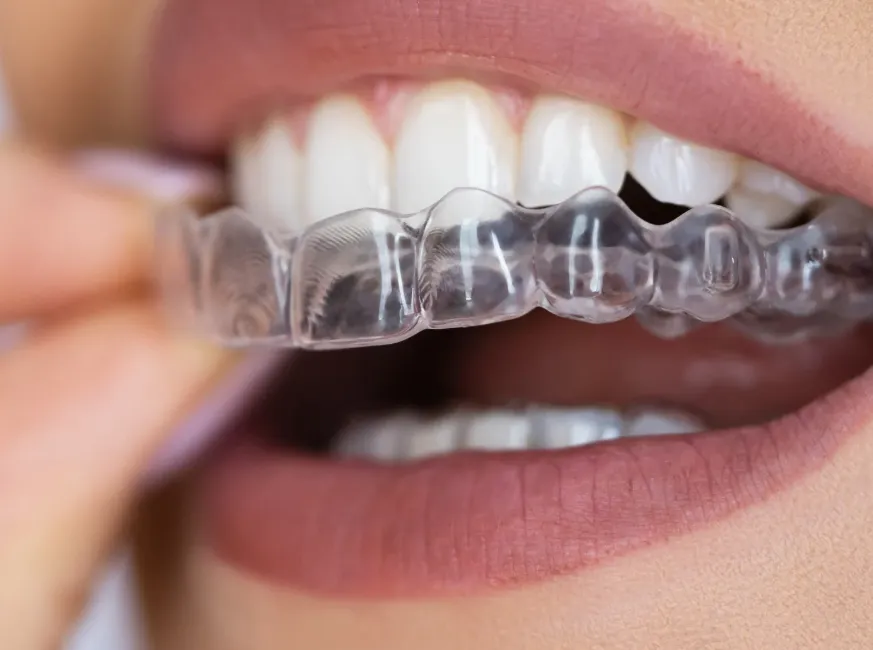
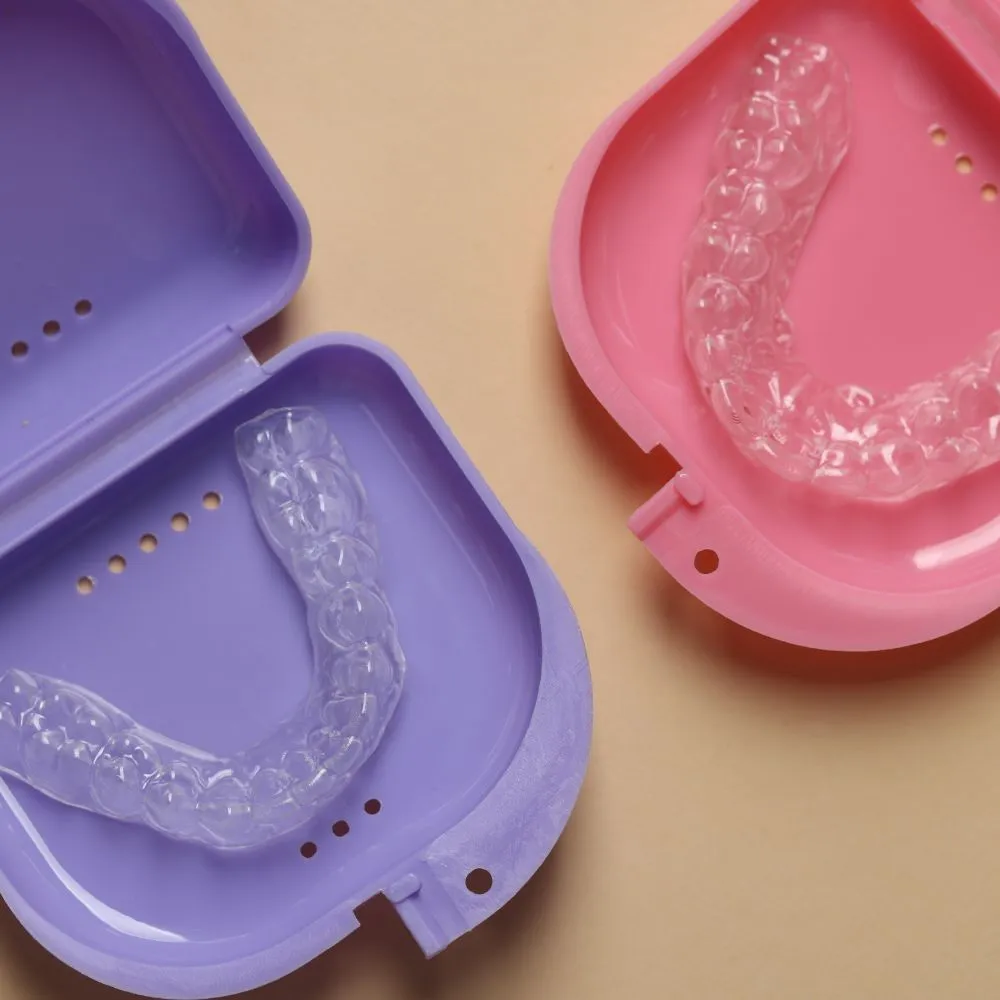
A nylon splint is a removable dental appliance made from a flexible type of material. Unlike some traditional dental appliances that may contain rigid metal components, nylon designs can provide a lighter and more discreet option.
The appliance is custom made to fit the shape of your mouth. This allows it to sit comfortably while helping replace or support missing teeth, depending on the treatment plan.
Why Is Nylon Used?
Nylon is valued for its combination of flexibility and durability. It can also be made in a colour that blends more naturally with the gums, helping the appliance appear less noticeable when worn.
Its flexibility can make it easier to insert and remove compared with some more rigid alternatives. However, suitability depends on factors such as the number of missing teeth, gum health, bite and overall oral condition.
What Are the Potential Benefits?
There are several reasons a dental professional may consider a flexible appliance as part of a patient's treatment.
A More Discreet Appearance
One of the main attractions is its appearance. Nylon can blend with the natural colour of the gums, which may make the appliance less obvious when smiling or speaking.
Lightweight and Flexible
The material is generally lightweight and flexible, which can make it comfortable for many patients. Its flexibility may also allow it to adapt to the contours of the mouth.
No Traditional Metal Framework
Some designs do not require the same type of visible metal framework associated with certain removable dental appliances. This can be appealing to people who prefer a more natural-looking solution.
Customised Fit
Dental appliances are designed around the individual's mouth. A properly fitted appliance can provide better comfort and stability while helping support everyday activities such as eating and speaking.
What Should You Consider Before Choosing One?
Although flexible dental appliances can have useful benefits, they are not automatically suitable for everyone.
Your dentist may assess your teeth, gums, bite and the location of any missing teeth before recommending an option. The condition of your remaining teeth and supporting tissues can also influence the treatment choice.
Care and Maintenance Matter
Like other removable dental appliances, a nylon appliance needs regular cleaning. Following professional instructions can help keep it hygienic and reduce the build-up of plaque and food particles.
It is also important to handle the appliance carefully. Although nylon is flexible, improper cleaning or storage can affect its condition over time.
Could It Be Right for You?
The best dental solution depends on your individual circumstances rather than simply choosing the most flexible or discreet option. Your dentist can explain the available alternatives and discuss the benefits and limitations of each.
A professional assessment can also help identify whether adjustments, another type of appliance or a different treatment approach may provide a better result.
When considering a dental appliance, understanding the material, expected comfort, maintenance requirements and long-term suitability can make the decision easier. If you are exploring options for replacing or supporting missing teeth, speaking with a dental professional can help you choose an approach that fits your oral health needs and lifestyle.
FAQs
1. What is a nylon splint used for?
A nylon splint may be used as a removable dental appliance to help replace or support missing teeth, depending on a patient's individual treatment needs.
2. Is a nylon splint comfortable to wear?
Many people find flexible dental appliances comfortable because the material is lightweight and designed to fit the contours of the mouth. Comfort can vary between individuals.
3. How long does a nylon splint last?
Its lifespan depends on factors such as daily use, cleaning, oral health and how well it is maintained. Regular dental reviews can help assess its condition.
4. Can you eat while wearing a nylon splint?
Whether you should eat while wearing the appliance depends on its design and your dentist's instructions. Follow the specific guidance provided for your appliance.
5. How should a nylon splint be cleaned?
It should generally be cleaned regularly using the method recommended by your dental professional. Avoid using products that could damage the material unless they have been specifically recommended.






















Sign in to leave a comment.