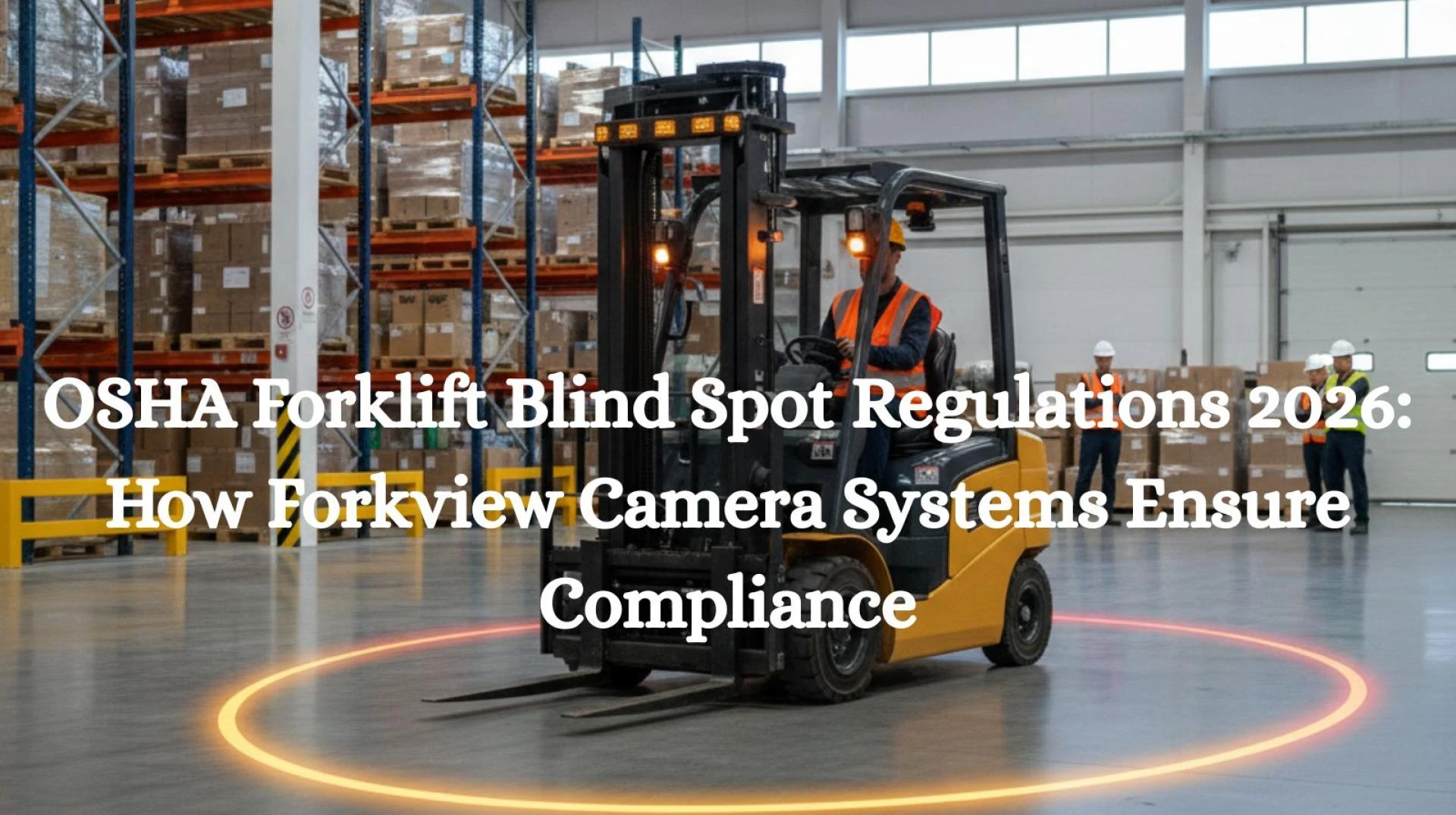
If you manage warehouse operations or oversee forklift fleets, you're probably already aware that OSHA forklift regulations aren't getting any less strict. In fact, as we move through 2026, enforcement agencies are doubling down on blind spot safety violations—and the penalties are steeper than ever.
Here's the reality: a single forklift accident can cost your company hundreds of thousands in fines, medical expenses, and operational downtime. But beyond the financial hit, there's the human cost that no business wants on its conscience.
The good news? Technology has caught up with regulatory demands. Forkview Camera Systems are proving to be game-changers for companies that want to stay ahead of compliance requirements while genuinely protecting their workforce. Let's dive into what you need to know about forklift compliance in 2026 and how the right camera system can keep you in the clear.
Understanding OSHA Forklift Regulations in 2026
OSHA's stance on forklift safety has always been clear, but recent updates have sharpened the focus on visibility and blind spot safety. Under OSHA Standard 1910.178, employers must ensure that powered industrial trucks—including forklifts—are operated safely, with particular attention to visibility limitations.
Here's what that means in practical terms:
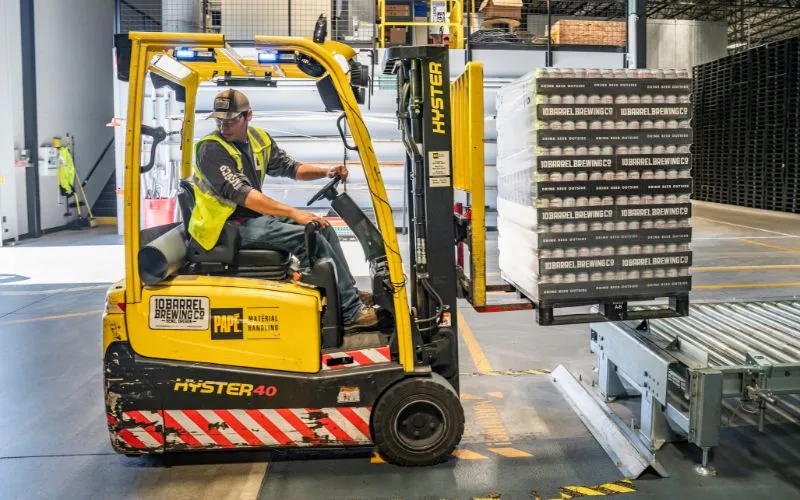
Operator Visibility Requirements: Forklift operators must have a clear view of their travel path. If loads, masts, or structural elements obstruct vision, employers are required to implement control measures. This isn't a suggestion—it's a mandate.
Training Documentation: Operators must receive comprehensive training on recognizing and managing blind spots. Your training records need to be meticulous and readily available during inspections.
Hazard Assessment: Employers must conduct regular workplace assessments to identify blind spot risks and document corrective actions taken.
The 2026 enforcement climate is particularly focused on repeat violations. OSHA inspectors are now equipped with more sophisticated tools to assess compliance, and they're not shy about issuing willful violation citations—which can run upwards of $156,259 per violation.
The Real Cost of Non-Compliance
Let's talk numbers for a moment, because forklift compliance isn't just about ticking regulatory boxes—it's about protecting your bottom line.
According to OSHA data, forklift accidents result in approximately 85 fatalities and 34,900 serious injuries annually in the United States alone. When violations are found during investigations, penalties stack up quickly:
- Serious violations: Up to $15,625 per violation
- Willful or repeated violations: Up to $156,259 per violation
- Failure-to-abate: Additional $15,625 per day beyond the correction date
Beyond fines, consider litigation costs, workers' compensation claims, increased insurance premiums, and productivity losses. A single blind spot incident can easily spiral into a seven-figure problem.
But here's what keeps safety managers up at night: the knowledge that these accidents are preventable.
How Forkview Camera Systems Address Blind Spot Challenges
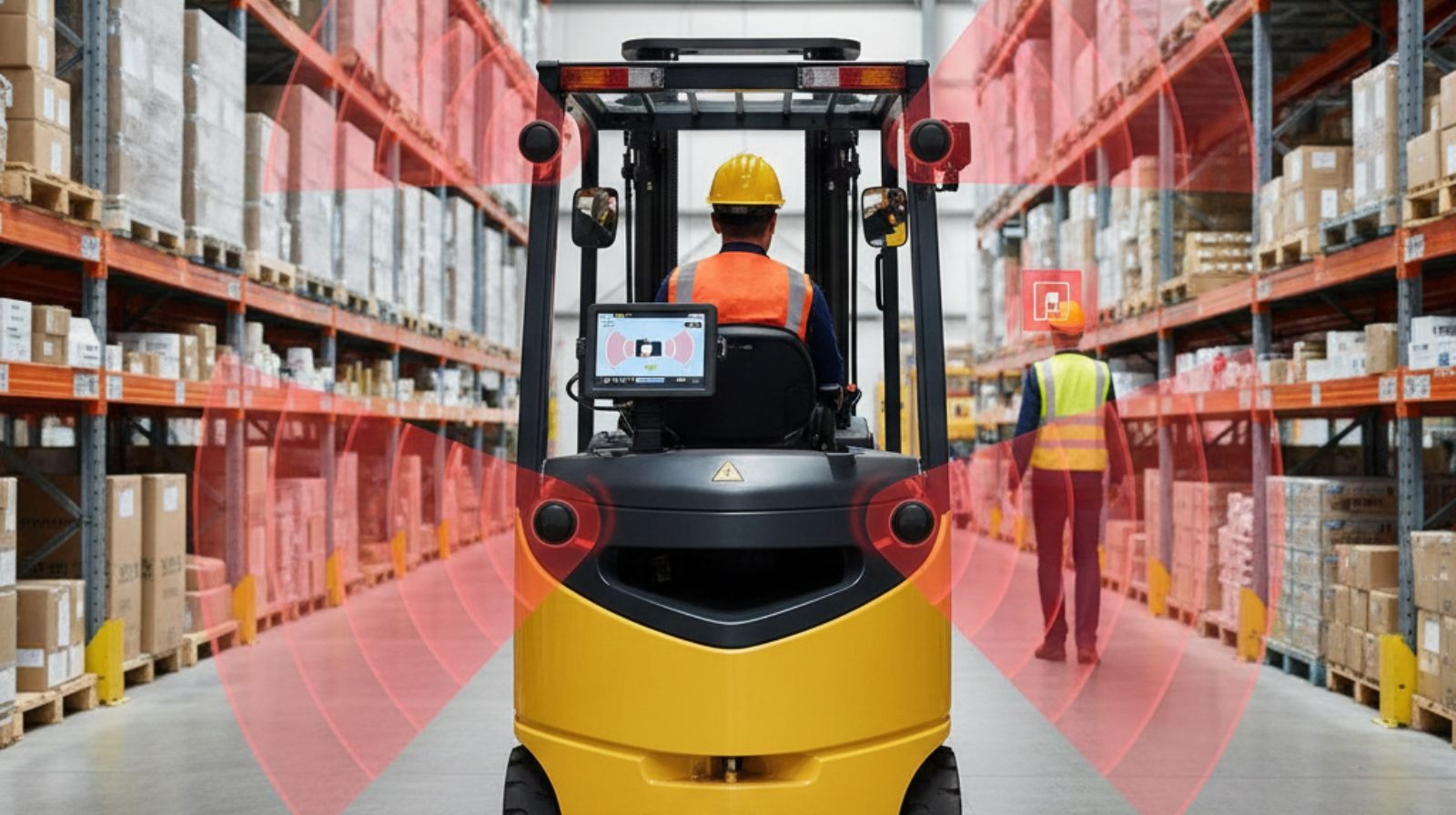
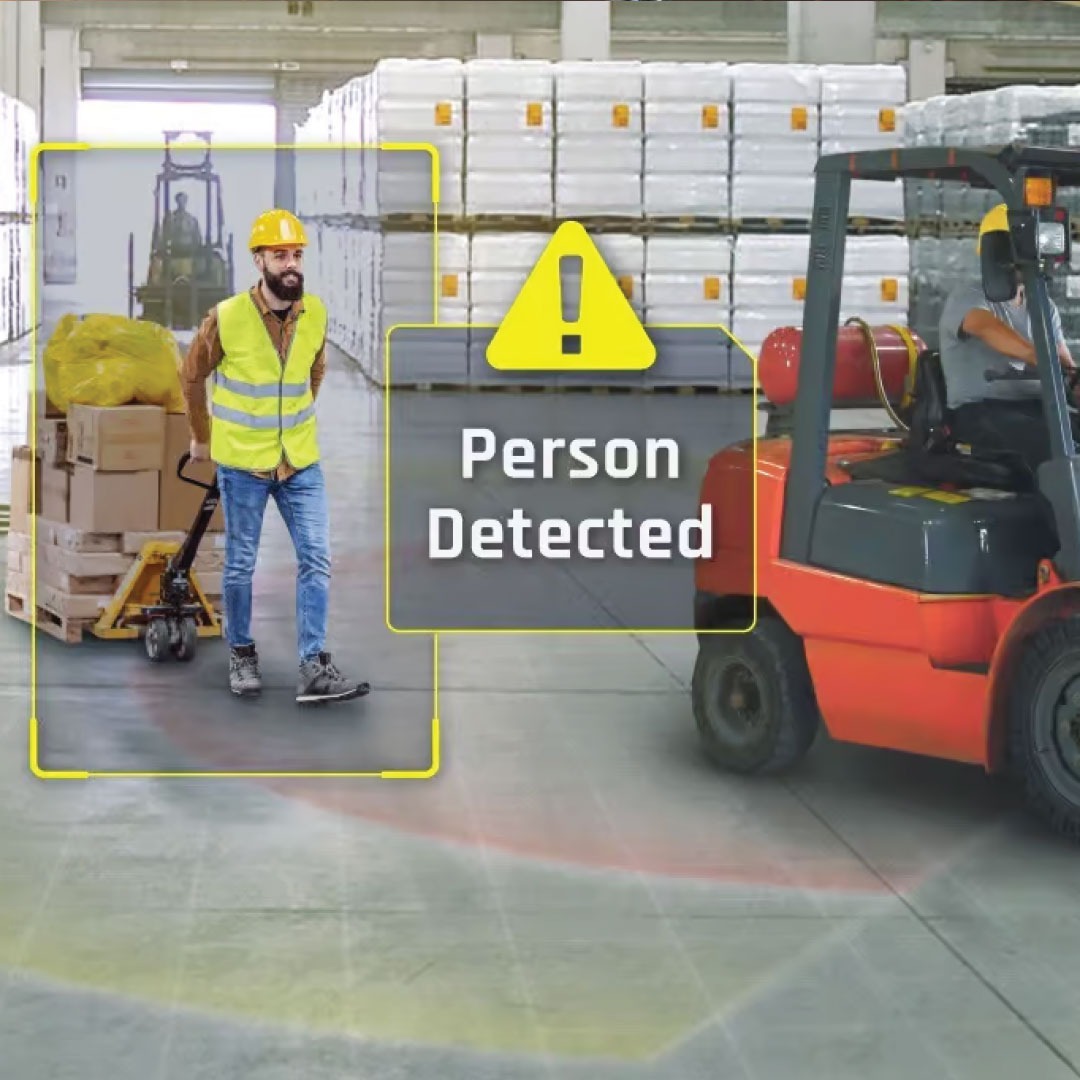
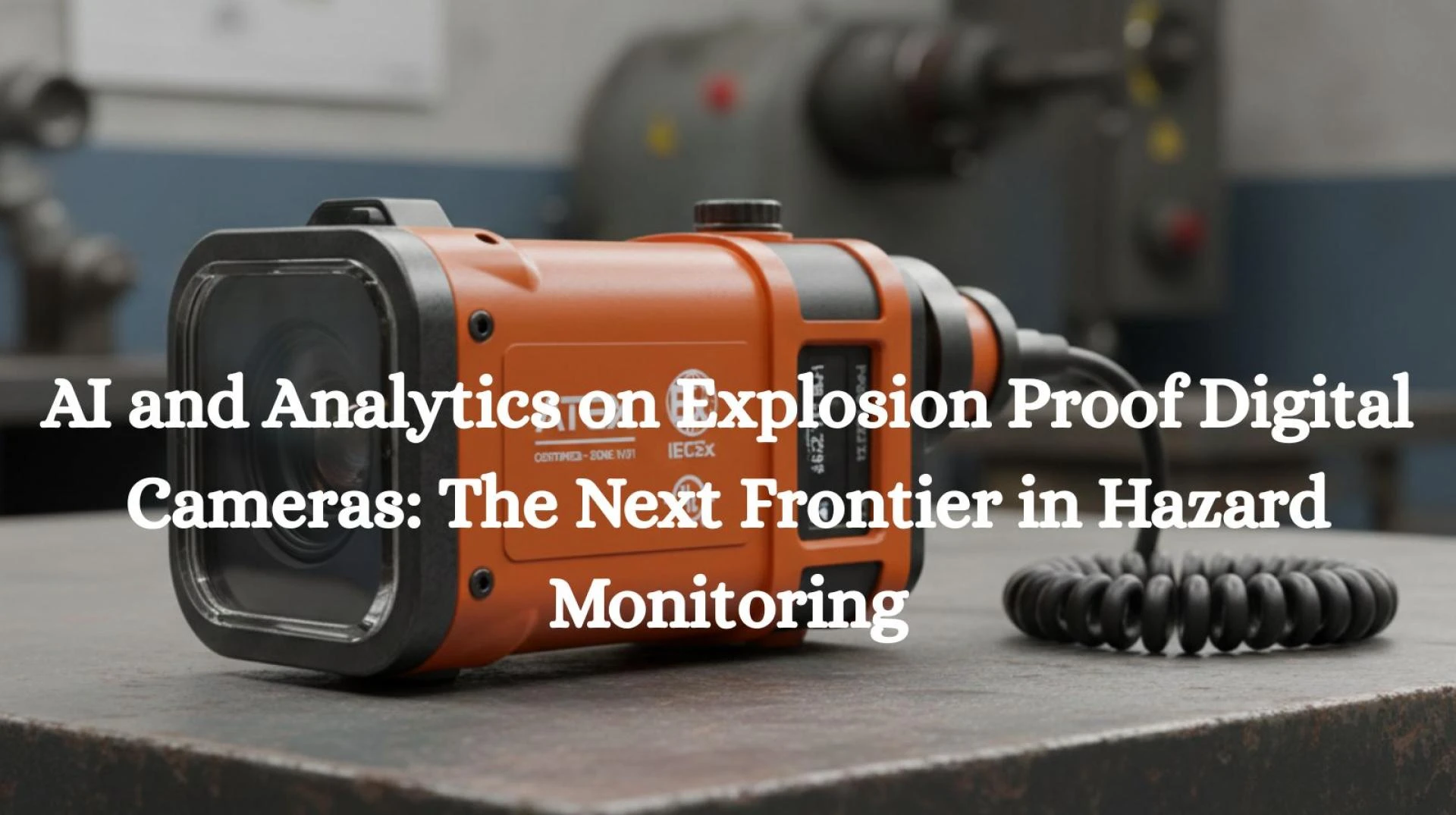
This is where Forkview Camera System technology becomes your compliance partner. Unlike traditional mirrors or proximity sensors, advanced camera systems provide operators with real-time, panoramic visibility that eliminates dangerous blind spots entirely.
Multi-Angle Coverage: Forkview Camera Systems typically feature multiple cameras positioned strategically around the forklift—rear, sides, and mast areas—giving operators a complete picture of their surroundings on an in-cab display.
Real-Time Visual Feedback: Operators don't need to crane their necks or rely on spotters. High-definition displays show obstacles, pedestrians, and other vehicles instantly, allowing for immediate corrective action.
Recording Capabilities: Modern systems record footage continuously, creating an invaluable audit trail. If OSHA comes knocking or an incident occurs, you have documented evidence of your safety protocols in action.
Integration with Safety Protocols: These systems integrate seamlessly with your existing safety programs, providing tangible proof that you're taking blind spot safety seriously.
Audit Preparation: Documentation That Satisfies OSHA
When OSHA inspectors arrive, they're looking for comprehensive evidence of your commitment to safety. Forkview Camera Systems help you build that case in several ways:
Installation Records: Document when and where cameras were installed, demonstrating proactive hazard mitigation.
Training Integration: Show that operators are trained on using camera systems as part of their blind spot awareness protocols.
Incident Analysis: Use recorded footage to investigate near-misses and accidents, showing continuous improvement efforts.
Maintenance Logs: Regular system checks prove ongoing commitment to equipment reliability.
This documentation transforms your compliance posture from reactive to proactive—exactly what OSHA wants to see.
Why SharpEagle's Approach Makes Sense
At SharpEagle Technology, we understand that OSHA forklift regulations aren't just bureaucratic hurdles—they represent real safety imperatives. Our ATEX explosion-proof solutions, including advanced Forkview Camera Systems, are engineered specifically for demanding industrial environments in the UK, UAE, and Kuwait regions.
Our systems deliver:
- Industrial-grade durability designed for harsh warehouse conditions
- ATEX certification for hazardous environments where safety stakes are highest
- Easy integration with existing forklift fleets, minimizing disruption
- Comprehensive support to ensure your team maximizes system effectiveness
We've helped dozens of operations transform their forklift compliance programs from paperwork exercises into living, breathing safety cultures.
Taking Action Before the Next Audit
The question isn't whether OSHA will scrutinize your forklift operations—it's when. And when that inspection happens, will you be scrambling to explain why you haven't addressed known blind spot risks, or will you confidently demonstrate a technology-enabled safety program?
Forkview Camera Systems represent more than compliance insurance—they're an investment in your people, your operations, and your peace of mind.
Ready to upgrade your forklift safety program? Contact SharpEagle Technology today to discover how our Forkview Camera Systems can eliminate blind spots, satisfy OSHA forklift regulations, and protect what matters most. Our team of safety specialists is ready to conduct a complimentary assessment of your current blind spot safety protocols and design a solution that fits your specific operational needs.
Don't wait for a citation to take action—proactive compliance is always more cost-effective than reactive damage control.
Conclusion
As OSHA forklift regulations continue evolving and enforcement intensifies, the companies that thrive will be those that view compliance not as a burden but as an opportunity to build safer, more efficient operations. Forkview Camera Systems offer a clear path forward—one where technology and regulatory requirements align perfectly to protect your workforce and your business interests.
The investment in advanced blind spot safety technology pays dividends far beyond avoiding penalties; it creates a culture where workers feel valued and protected, productivity increases, and incidents become rare exceptions rather than accepted risks. With SharpEagle's proven solutions deployed across challenging industrial environments in the UK, UAE, and Kuwait, you're partnering with a company that understands both the regulatory landscape and the real-world demands of forklift operations. So here's the question that should be guiding your next decision: can you really afford to wait until after an incident—or an OSHA inspection—to prioritize forklift compliance?
















Sign in to leave a comment.