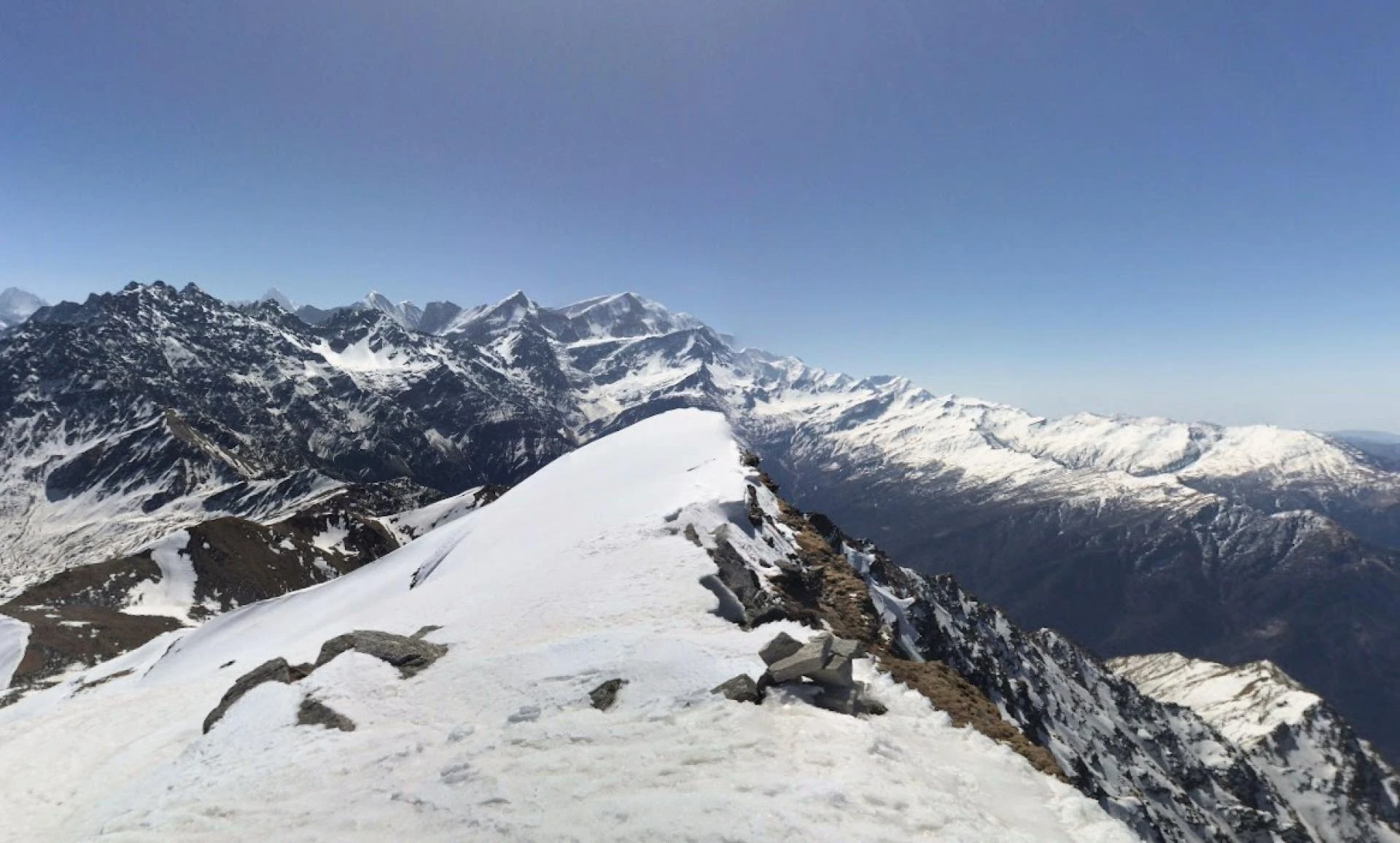

The Pangarchulla Trek is one of those Himalayan journeys that quietly surprises you. It does not rely on hype or dramatic marketing. Instead, it wins hearts with raw mountain beauty, steady challenges, and one of the finest summit views in the Garhwal Himalayas. In winter, this trek transforms into a snow-covered adventure that feels both demanding and deeply rewarding.
Located in the Chamoli district of Uttarakhand, the Pangarchulla Trek attracts trekkers who want more than just scenic campsites. It offers a true summit climb, long snow walks, and uninterrupted Himalayan views that stay with you long after the trek ends. If you enjoy earning your views rather than being handed them easily, Pangarchulla fits perfectly.
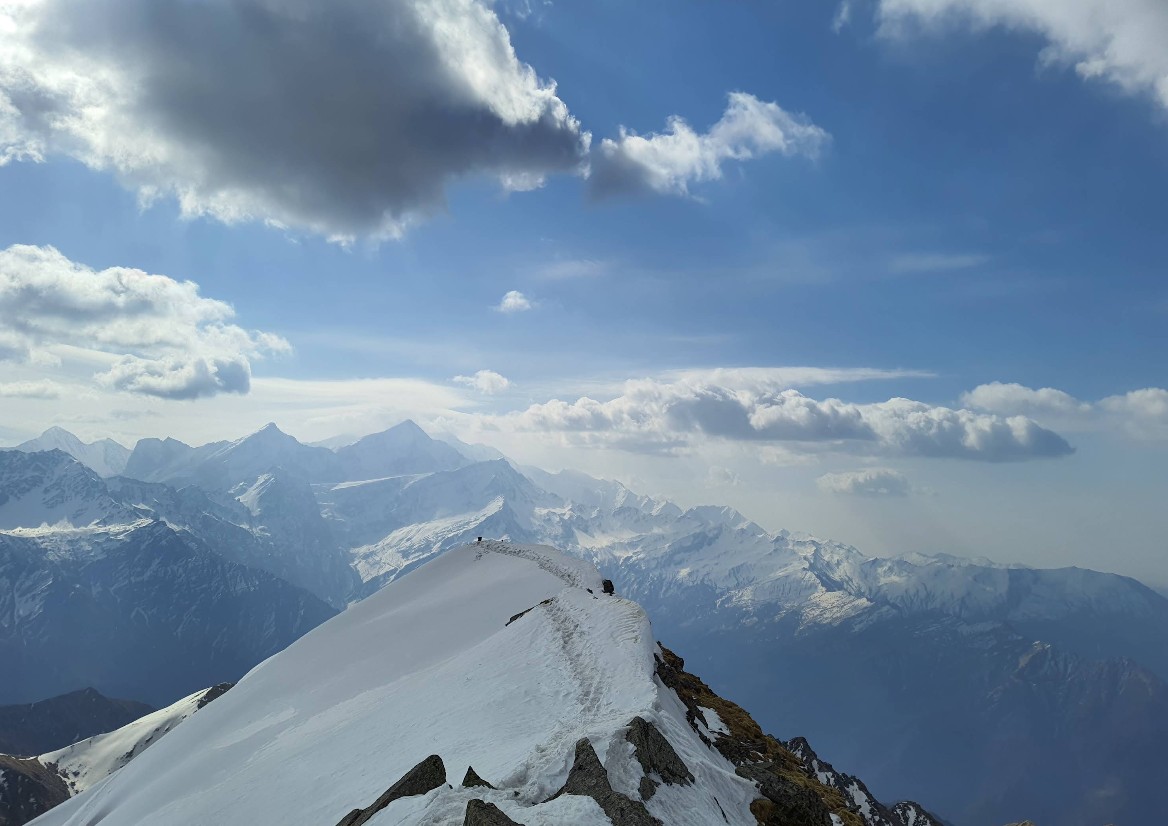
Where Is the Pangarchulla Trek Located?
The Pangarchulla Trek lies in the Garhwal region of Uttarakhand, close to popular trekking hubs like Joshimath and Auli. The trek starts from villages such as Dhak or Tugasi, depending on the route and snow conditions.
This region forms part of the greater Nanda Devi Biosphere. The forests, meadows, and ridgelines here remain relatively untouched compared to more commercial treks. That natural setting plays a big role in the trek’s appeal, especially during winter.
Why Pangarchulla Trek Is Special in Winter
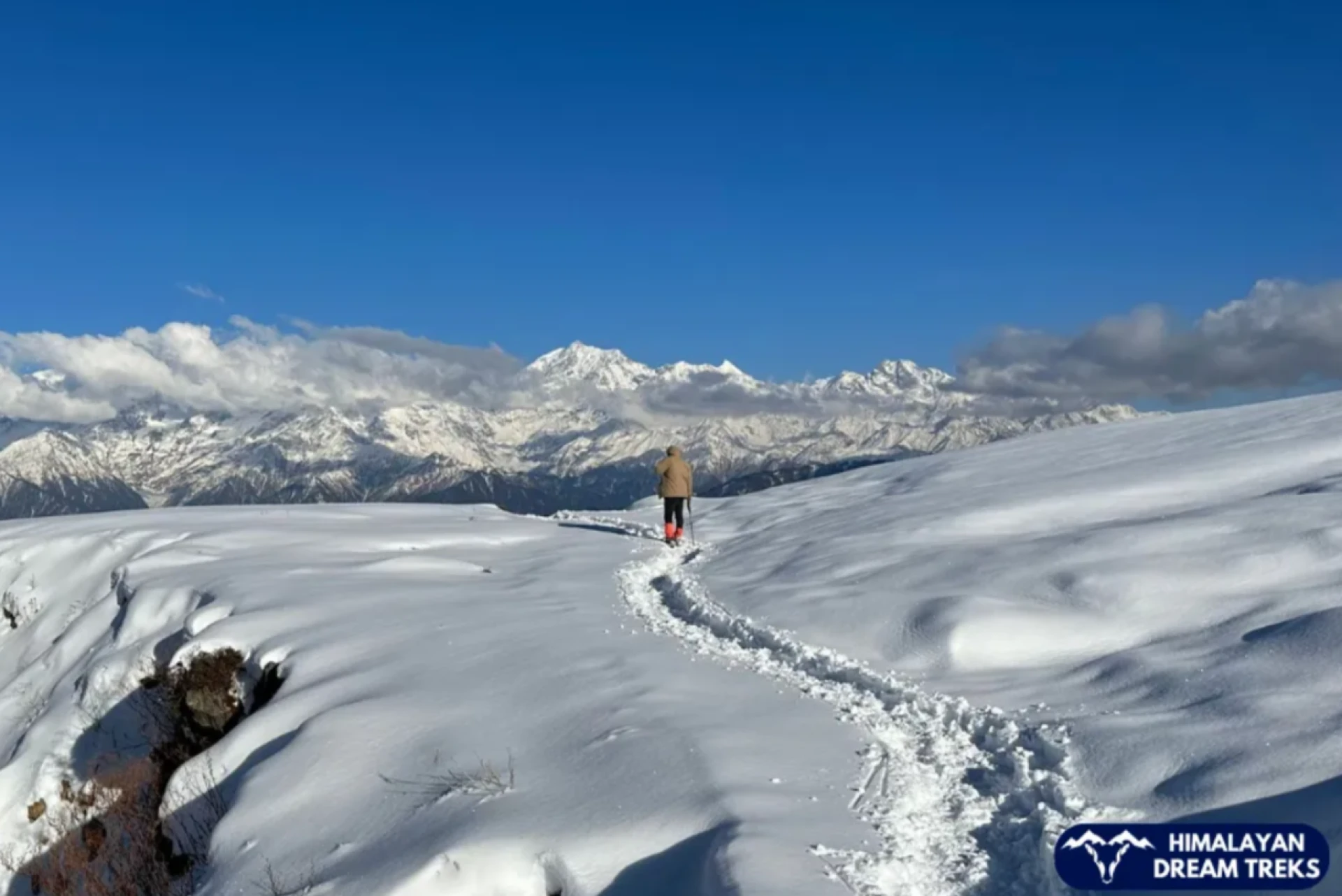
Winter completely changes the character of the Pangarchulla Trek. Snow blankets the forest trails, campsites turn white, and the final summit ridge becomes a serious test of endurance.
The best part is the silence. Snow absorbs sound, and the trail feels calm and isolated. You walk through oak and rhododendron forests with snow crunching under your boots. As you gain altitude, the landscape opens up into wide alpine zones covered in white.
The summit climb becomes the highlight. It feels tough, slow, and mentally demanding, but the reward at the top makes every step worth it.
Pangarchulla Summit: The Real Reward
The Pangarchulla summit sits at an altitude of around 15,069 feet. Reaching the top is not guaranteed every season, especially in deep winter. Weather, snow conditions, and fitness decide everything.
On a clear day, the summit offers 360-degree Himalayan views. You can see Nanda Devi, Dronagiri, Chaukhamba, Hathi Ghoda, and many other Garhwal peaks standing tall around you. Few treks in Uttarakhand offer such an open and wide panorama.
This summit does not give you a quick photo stop. You stand there quietly, slightly out of breath, realizing that effort still matters in the mountains.
Pangarchulla Trek Difficulty Level
The Pangarchulla Trek falls in the moderate to difficult category, especially in winter. This is not a beginner-friendly snow trek.
The challenges include:
- Long summit day with steep ascents
- Deep snow sections requiring gaiters and microspikes
- Cold temperatures and strong winds near the top
- Continuous walking hours on summit day
Trekkers need good cardiovascular fitness and prior trekking experience. If you have done winter treks like Kedarkantha or Brahmatal and want to level up, Pangarchulla makes sense.
Best Time to Do the Pangarchulla Trek
The Pangarchulla Trek can be done in both winter and summer, and each season offers a very different experience. Choosing the right time depends on what kind of adventure you are looking for.
Winter season (late December to March):
This is the most popular time for the Pangarchulla Trek. The trail remains covered in snow, and the summit climb feels challenging and adventurous. January and February usually offer the best snow conditions, but weather plays a big role. This season suits trekkers who already have some winter trekking experience.
Summer season (April to June):
From April to June, the Pangarchulla Trek becomes more stable and accessible. Snow starts melting at lower sections, while the summit still holds snow in early summer. Days remain pleasant, skies stay clearer, and chances of reaching the summit improve. This period works well for trekkers who want strong Himalayan views without extreme winter conditions.
After June, the monsoon season begins in Uttarakhand, and trekking is not recommended due to rain, slippery trails, and poor visibility.
Route and Trail Experience
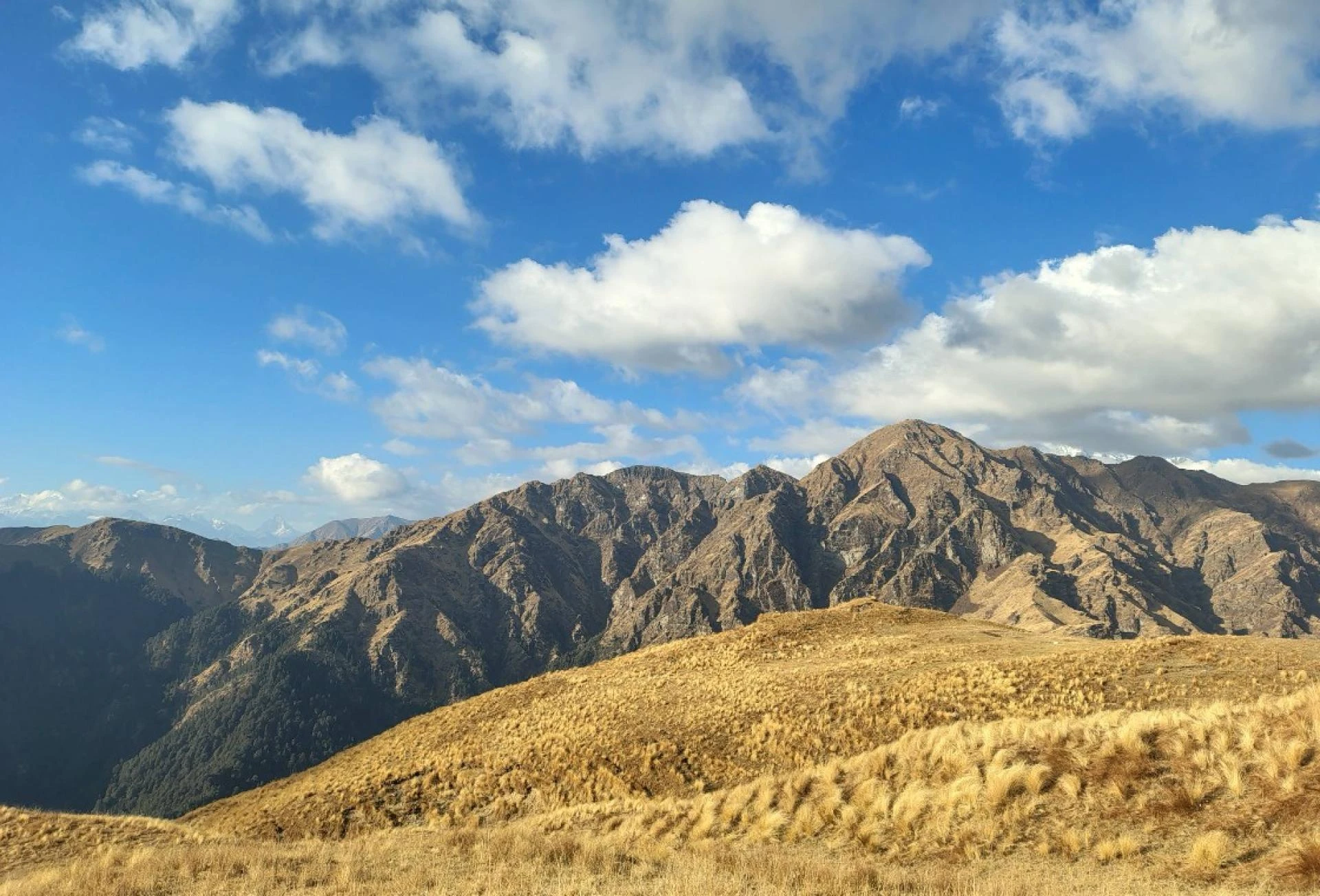
The trail begins gently through mountain villages and forest paths. Oak and rhododendron trees surround the early sections. As altitude increases, the forest thins out and gives way to open alpine terrain.
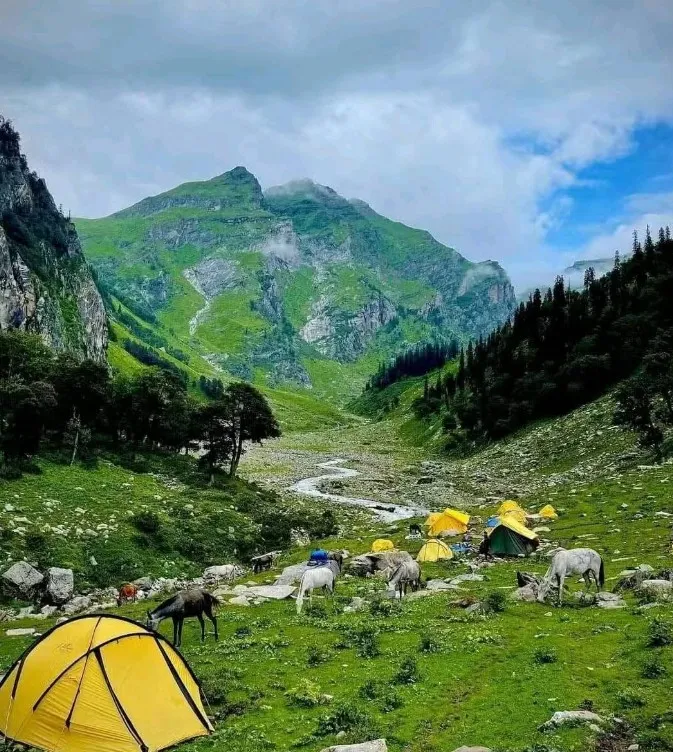
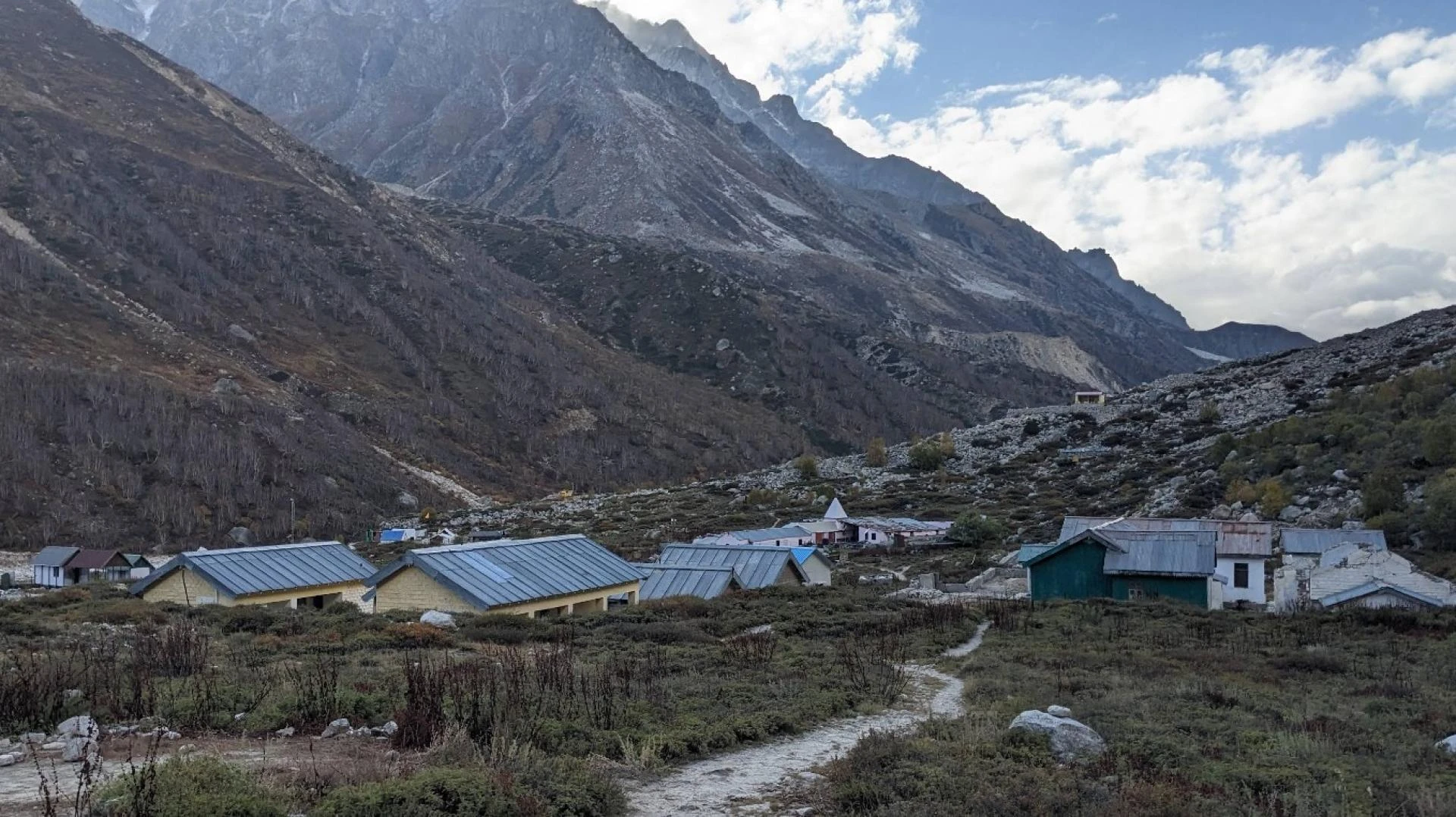
Campsites like Khullara sit in scenic clearings with mountain views. In winter, these camps turn into quiet snow bowls surrounded by peaks.
The summit push starts before sunrise. Headlamps glow on the snow as trekkers move slowly upward. This stretch tests patience more than speed.
Weather and Temperature in Winter
Winter temperatures on the Pangarchulla Trek drop significantly.
- Day temperatures: 5°C to -5°C
- Night temperatures: -10°C or lower at higher camps
Wind chill near the summit can make it feel colder. Proper layering, windproof jackets, and insulated gloves are essential. Weather conditions decide summit success more than strength.
What Makes Pangarchulla Different From Other Winter Treks?
Many winter treks focus on meadows or frozen lakes. Pangarchulla focuses on the summit experience.
You do not just walk through snow and return. You climb, assess conditions, and adapt to the mountain. This trek teaches patience and mountain judgment. That lesson stays useful for future high-altitude adventures.
Fitness Preparation for Pangarchulla Trek
Preparation matters more than motivation here.
Trekkers should:
- Jog or brisk walk at least 5 km comfortably
- Practice stair climbing with a backpack
- Build leg strength and endurance
- Improve breathing control
Winter trekking demands slow, steady movement. Fitness reduces risk and increases enjoyment.
Safety and Responsible Trekking
Responsible trekking keeps trails safe and sustainable.
- Avoid plastic use on the trail
- Follow Leave No Trace principles
- Trek with experienced guides
- Respect local villages and customs
Weather updates and route decisions should always prioritize safety over summit success.
Final Thoughts
The Pangarchulla Trek is not about shortcuts or easy wins. It rewards preparation, patience, and respect for the mountains. Winter adds another layer of challenge, turning the trek into a true alpine experience.
If you want snowy trails, real summit effort, and panoramic Himalayan views that feel earned, Pangarchulla deserves your attention. It does not shout for fame, but those who climb it remember it for life.


















Sign in to leave a comment.