

When a child develops a cavity or experiences tooth decay, parents often face a common question: should the tooth get a filling or a crown? Understanding preventive and restorative pediatric dental care can help you make a confident, informed decision about your child's treatment.
Both fillings and pediatric dental crowns serve important roles in protecting baby teeth, but they are not interchangeable. The right choice depends on how much of the tooth is damaged, where the decay is located, and how long the tooth needs to last before it naturally falls out.
This guide breaks down the key differences between crowns and fillings for children so you know exactly what to expect and why your child's dentist may recommend one over the other.
Why Baby Teeth Still Need Treatment
Some parents wonder whether treating a baby tooth is even necessary since it will eventually fall out. The truth is, primary teeth play a critical role in a child's development. They guide permanent teeth into the correct position, support proper speech development, and allow children to chew and eat comfortably.
Leaving tooth decay untreated can lead to infection, pain, and premature tooth loss. When a baby tooth is lost too early, surrounding teeth can shift and create alignment problems that may require orthodontic treatment later. That is why tooth decay restoration in children is always worth addressing promptly.
When a Filling Is the Right Choice
Fillings are the go-to option for small to moderate cavities that have not compromised the overall structure of the tooth. A pediatric dental specialist will remove the decayed portion, clean the area, and fill the space with a durable material like composite resin or glass ionomer.
Fillings work best when:
- The cavity is small and caught early
- The tooth still has plenty of healthy structure remaining
- The decay is limited to one surface of the tooth
- The child is cooperative enough to sit through a straightforward procedure
For minor cavities, fillings are quick, cost-effective, and preserve as much natural tooth as possible. They are a reliable option in preventive pediatric care when decay has not progressed significantly.
When Pediatric Dental Crowns Are Recommended
A crown becomes necessary when a tooth has too much damage for a filling to hold up over time. Children's dental crowns cover the entire visible portion of the tooth, acting like a protective cap that restores shape, strength, and function.
Dentists typically recommend a pediatric dental crown when:
- Decay affects multiple surfaces of the tooth
- The tooth has undergone a pulpotomy (nerve treatment)
- A large portion of the tooth structure is compromised
- The tooth needs to last several more years before it naturally falls out
- A previous filling has failed or the cavity has returned
Primary molar crowns are especially common because back teeth endure heavy chewing forces, and a filling alone may crack or wear down before the permanent tooth is ready to come in.
Types of Crowns Used for Children
Not all pediatric crowns look the same. The type your child receives depends on the tooth's location, the extent of damage, and cosmetic considerations.
Stainless Steel Crowns
Stainless steel dental crowns for children are the most widely used option for back teeth. They are durable, affordable, and can be placed in a single visit. Because they are pre-formed, the procedure is faster and requires less chair time, which is a real advantage with younger patients.
Zirconia Crowns
Zirconia crowns for children are tooth-colored and offer a more natural appearance. They are popular for front teeth where aesthetics matter. These cosmetic dental crowns for kids are strong, biocompatible, and free of metal, making them an excellent choice for parents who prefer a natural look.
Composite Strip Crowns
These are another tooth-colored option typically used on front teeth. They are made from composite resin and shaped directly on the tooth. While they look great, they may not be as durable as zirconia for children who grind their teeth or bite on hard objects.
What Does the Baby Teeth Crown Procedure Look Like?
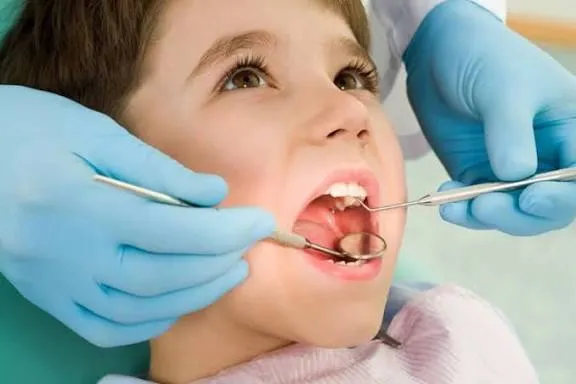
The crown procedure for a child is simpler than many parents expect. A pediatric crown treatment typically involves numbing the area, removing the decayed portion of the tooth, shaping the remaining structure, and fitting the crown over it. The entire process usually takes about 30 to 45 minutes.
If a pulpotomy with crown is needed, the dentist will first treat the nerve before placing the crown. This is common when decay has reached the inner pulp of the tooth. The crown then seals and protects the tooth so it can function normally until it is ready to fall out on its own.
Pediatric Dental Crowns vs. Fillings: How to Decide
The decision between a crown and a filling is not about preference. It is a clinical judgment based on the severity of the decay and the long-term prognosis of the tooth.
Here is a simple way to think about it:
- Small cavity, strong tooth = filling
- Large cavity, weakened tooth = crown
- Nerve treatment involved = crown almost always
- Front tooth with minor decay = filling or composite strip crown
- Back molar with deep decay = stainless steel or zirconia crown
A qualified pediatric dental specialist will evaluate X-rays, examine the tooth, and explain exactly why one option is better suited for your child's situation. If you carry pediatric dental insurance in the Parkland area or surrounding communities, both fillings and crowns are typically covered under restorative benefits, though coverage levels may vary by plan.
How to Prevent the Need for Crowns and Fillings
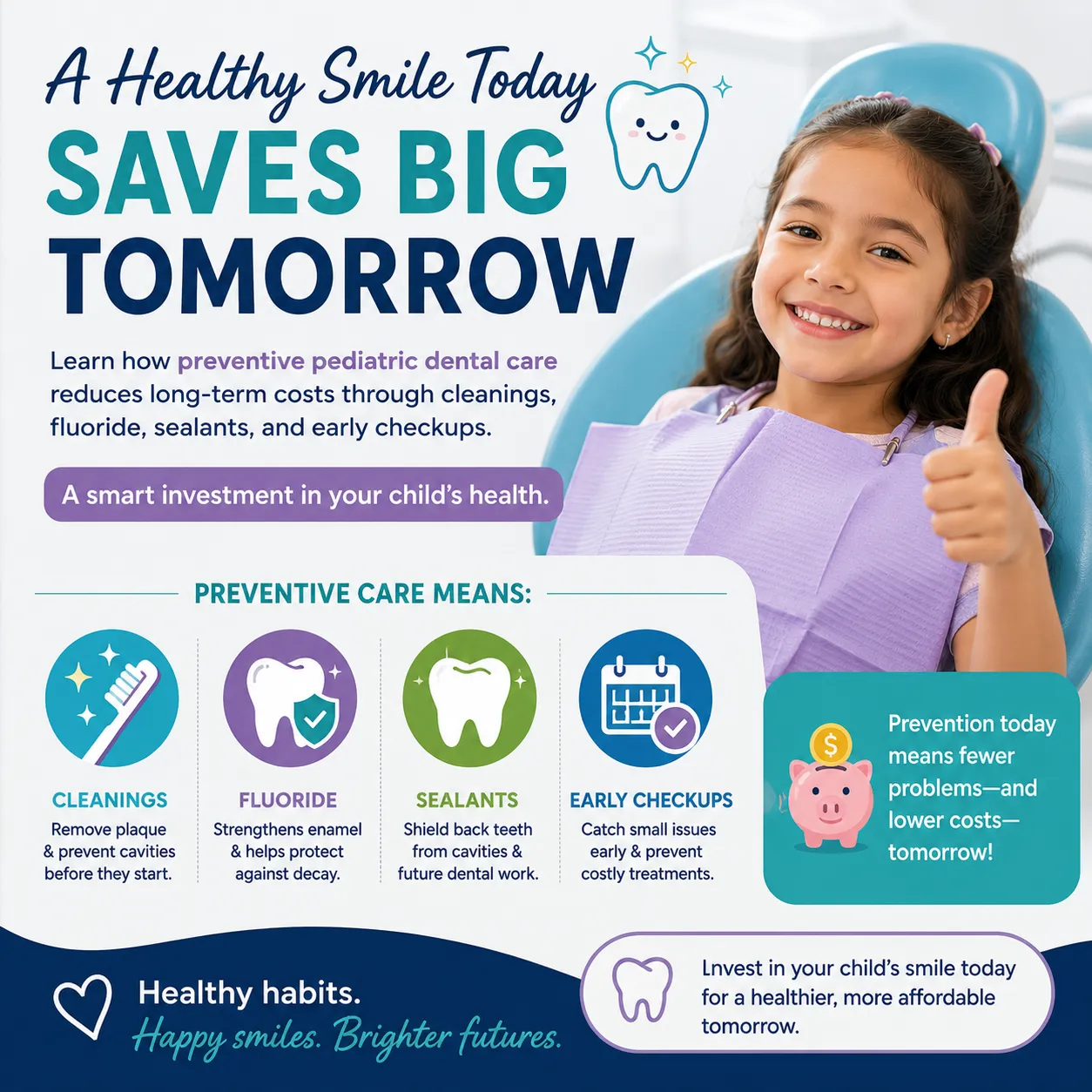
Prevention is always the best strategy. Consistent oral hygiene habits and regular dental checkups can significantly reduce the risk of cavities progressing to the point where a crown or even a filling is needed.
A few practical steps include:
- Brushing twice daily with fluoride toothpaste
- Flossing once a day, especially between tight-fitting molars
- Limiting sugary snacks and drinks between meals
- Scheduling dental visits every six months for cleanings and exams
- Asking about dental sealants for newly erupted permanent molars
Catching decay early through routine preventive care often means a simple filling instead of a more involved child tooth restoration down the road.
Both fillings and pediatric dental crowns play important roles in keeping children's teeth healthy and functional. The right choice depends entirely on the extent of the decay and how much tooth structure remains. Fillings handle small cavities well, while crowns provide full coverage and protection for teeth that need more support.
Trusting a qualified pediatric dental specialist to guide the decision ensures your child gets the most appropriate and lasting treatment. Whether the solution is a quick filling or a durable crown, the goal is always the same: keeping your child comfortable, healthy, and smiling.
Frequently Asked Questions
1. When does a child need a crown instead of a filling?
A crown is recommended when the cavity is too large for a filling to hold, the tooth has had nerve treatment, or multiple surfaces of the tooth are affected by decay.
2. Are dental crowns on baby teeth really necessary?
Yes, baby teeth hold space for permanent teeth and support speech and chewing, so restoring them with a crown prevents further damage and premature tooth loss.
3. What types of crowns are used on children's teeth?
The most common options are stainless steel crowns for back teeth and zirconia or composite strip crowns for front teeth where a natural appearance is preferred.
4. Does getting a crown on a baby tooth hurt?
The area is numbed before the procedure, so children typically feel little to no pain during a crown placement.
5. Does pediatric dental insurance cover crowns for kids?
Most pediatric dental insurance plans cover crowns under restorative benefits, though the exact coverage amount varies by plan.






























Sign in to leave a comment.