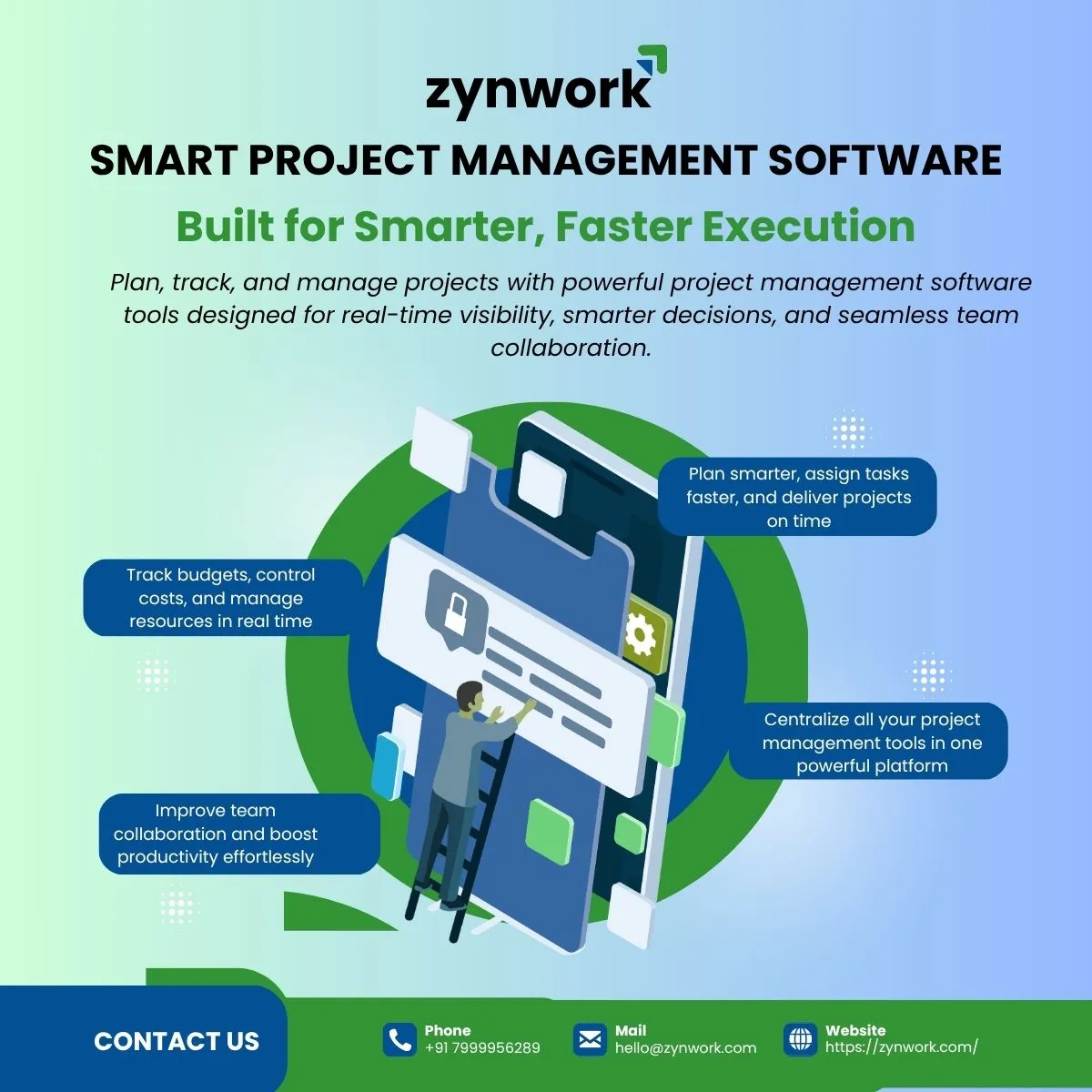

Employee performance has become one of the most important drivers of business success. Organizations that can effectively track goals, measure productivity, provide continuous feedback, and support employee development are often better positioned to achieve long-term growth.
However, managing employee performance through spreadsheets, annual reviews, and disconnected systems is becoming increasingly difficult in today's fast-paced work environment.
This is why businesses are investing in performance management software to improve visibility into employee contributions, streamline evaluation processes, and create a culture of continuous improvement.
Modern employee performance software goes far beyond traditional performance reviews. It helps organizations align employee goals with business objectives, monitor progress in real time, and support employee growth through data-driven insights.
In this guide, we'll explore what performance management software is, why it matters, key features to look for, and how organizations can use it to improve workforce performance and engagement.
What Is Performance Management Software?
Performance management software is a digital platform designed to help organizations monitor, evaluate, and improve employee performance.
The software centralizes performance-related activities such as:
- Goal setting
- Employee evaluations
- Continuous feedback
- Performance reviews
- Skill development
- Progress tracking
- Performance analytics
Instead of relying on manual processes and infrequent reviews, businesses can create a structured and transparent performance management system.
The primary objective is to help employees perform at their best while supporting organizational goals.
Why Organizations Need Employee Performance Software
Workplaces have changed dramatically over the last decade.
Organizations now manage:
- Remote employees
- Hybrid workforces
- Cross-functional teams
- Global operations
- Continuous project delivery
Traditional annual review processes often fail to provide timely feedback or meaningful performance insights.
This creates challenges such as:
- Limited visibility into employee progress
- Inconsistent evaluations
- Lack of goal alignment
- Poor employee engagement
- Missed development opportunities
Modern employee performance software helps address these issues by creating a continuous performance management process.
Key Features of Performance Management Software
Not all performance management solutions offer the same capabilities.
The most effective platforms combine performance tracking, employee development, and analytics into one centralized system.
1. Goal Setting and Tracking
Goal management is one of the most important components of employee performance.
Organizations can:
- Set individual goals
- Create team objectives
- Align employee targets with business priorities
- Track progress in real time
Clear goals help employees understand expectations and focus on meaningful outcomes.
2. Continuous Feedback
Modern performance management emphasizes ongoing communication rather than annual reviews.
Employees and managers can:
- Share feedback regularly
- Recognize achievements
- Address performance issues early
- Improve collaboration
Continuous feedback helps create a culture of growth and accountability.
3. Performance Reviews
Performance reviews remain an important part of employee development.
Software platforms help organizations:
- Standardize review processes
- Collect evaluation data
- Maintain performance records
- Improve review consistency
Digital reviews are often more efficient and objective than manual processes.
4. Employee Development Planning
High-performing organizations invest in employee growth.
Performance management software helps businesses:
- Identify skill gaps
- Create development plans
- Track learning progress
- Support career growth
Employee development improves both engagement and retention.
5. Performance Analytics
Data-driven decision-making is becoming increasingly important in workforce management.
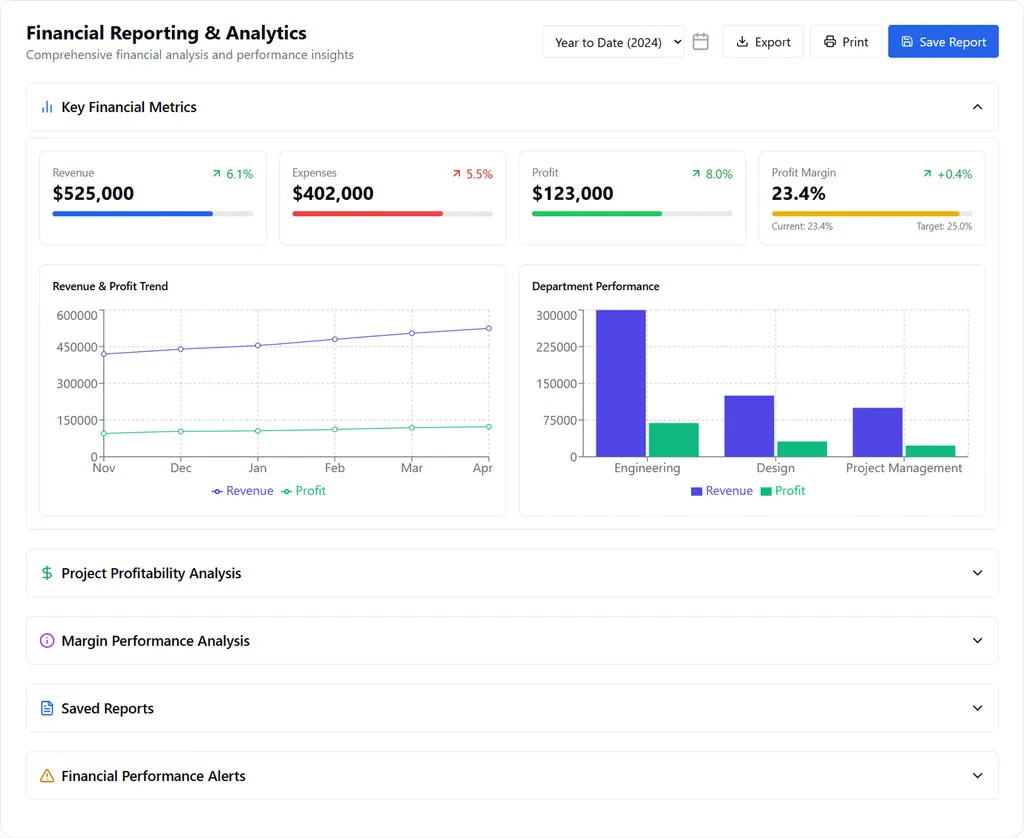
Performance dashboards provide insights into:
- Employee productivity
- Goal completion rates
- Team performance
- Skill development progress
- Organizational trends
Analytics help leaders identify strengths and areas for improvement.
6. Recognition and Rewards
Employee recognition plays a major role in motivation and engagement.
Many performance management platforms support:
- Peer recognition
- Achievement tracking
- Reward programs
- Performance-based incentives
Recognition helps strengthen workplace culture and improve employee satisfaction.
Benefits of Using Employee Performance Software
Organizations that implement structured performance management systems often experience significant advantages.
Improved Employee Engagement
Employees who receive regular feedback and clear expectations are more likely to remain engaged and motivated.
Engaged employees often demonstrate:
- Higher productivity
- Better collaboration
- Stronger commitment
- Greater job satisfaction
Better Goal Alignment
Performance software helps ensure employees understand how their work contributes to organizational success.
This alignment improves focus and accountability.
Increased Productivity
Clear objectives, continuous feedback, and performance visibility help employees perform more effectively.
Organizations can identify obstacles and support employees before performance declines.
Stronger Talent Development
Structured development plans help employees build skills and advance their careers.
This improves workforce capabilities and supports succession planning.
Data-Driven Decision-Making
Performance analytics provide valuable insights for:
- Promotions
- Compensation decisions
- Training initiatives
- Workforce planning
Leaders can make more informed decisions based on measurable performance data.
Common Challenges Without Performance Management Software
Organizations that rely on manual performance processes often encounter several challenges.
Inconsistent Evaluations
Different managers may use different evaluation methods, creating fairness concerns.
Limited Visibility
Leadership teams often lack real-time insight into employee performance.
Delayed Feedback
Annual reviews fail to provide timely guidance for employee improvement.
Administrative Burden
Manual reviews and spreadsheets consume significant time and resources.
Poor Goal Tracking
Employees may lose visibility into objectives and progress without structured systems.
Modern performance management software helps eliminate these challenges through automation and centralized visibility.
How Performance Management Software Supports Remote Teams
Remote and hybrid work models have increased the importance of structured performance management.
Managers can no longer rely solely on in-person interactions to evaluate performance.
Employee performance software helps remote teams by providing:
- Goal tracking
- Continuous feedback
- Performance visibility
- Progress reporting
- Collaboration insights
These capabilities help organizations maintain accountability regardless of location.
Choosing the Right Performance Management Software
When evaluating solutions, organizations should consider several important factors.
Ease of Use
The platform should be simple for both employees and managers to adopt.
Scalability
The system should support organizational growth and evolving workforce needs.
Goal Management Features
Look for tools that support goal alignment, tracking, and progress measurement.
Reporting and Analytics
Strong reporting capabilities provide deeper insight into workforce performance.
Employee Development Tools
Development planning features help organizations build stronger teams over time.
Integration Capabilities
The software should integrate with existing HR, payroll, and workforce management systems.
The Future of Performance Management Software
Performance management continues to evolve as organizations embrace digital transformation.
Modern platforms increasingly incorporate:
- Artificial intelligence
- Predictive analytics
- Automated performance insights
- Personalized development recommendations
- Continuous engagement tracking
The future of performance management software will focus on helping organizations proactively improve workforce performance rather than simply measuring it.
Businesses are moving toward continuous performance management models that prioritize employee growth, engagement, and real-time visibility.
Best Practices for Effective Performance Management
Organizations can maximize results by following several proven strategies.
Set Clear Expectations
Employees should understand goals, responsibilities, and performance standards.
Encourage Continuous Feedback
Frequent communication supports ongoing improvement.
Focus on Development
Performance discussions should emphasize growth rather than evaluation alone.
Use Data Consistently
Performance decisions should be supported by objective data whenever possible.
Align Goals With Business Objectives
Employees perform best when they understand how their work contributes to organizational success.
Conclusion
Building a high-performing workforce requires more than annual reviews and manual evaluations. Modern organizations need structured systems that support goal alignment, continuous feedback, employee development, and data-driven decision-making.
The right performance management software helps businesses improve employee engagement, increase productivity, and create a culture of continuous improvement. At the same time, effective employee performance software provides the visibility and insights needed to support long-term workforce success.
As organizations continue to embrace digital transformation and distributed work environments, performance management technology will play an increasingly important role in developing and retaining top talent.
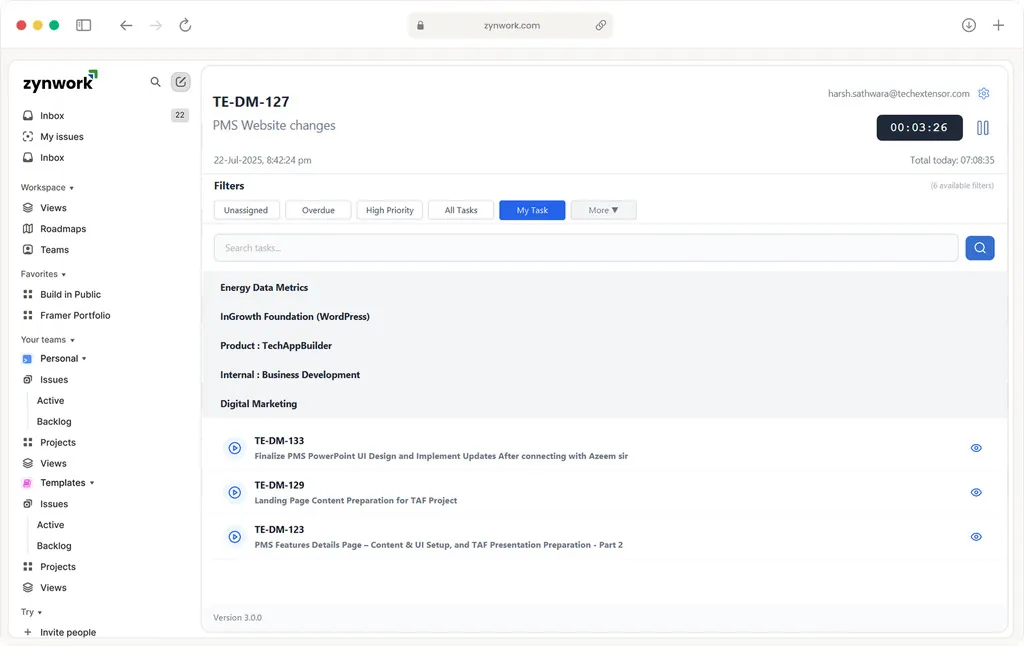
For businesses looking to improve workforce visibility, employee development, and operational performance, platforms like Zynwork help connect goals, performance tracking, reporting, and organizational insights within one unified platform.






















Sign in to leave a comment.