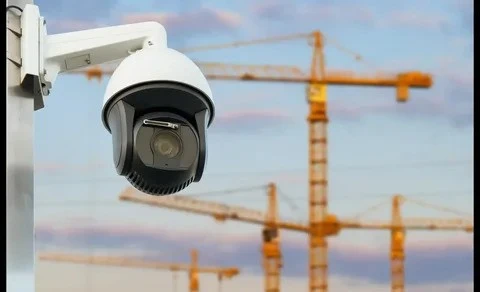

Security threats are becoming more advanced, making it essential for businesses, industrial facilities, and critical infrastructure to protect their premises from unauthorized access. One of the most effective ways to achieve this is through perimeter intrusion detection. These systems are designed to identify and alert security teams when someone attempts to enter a protected area without authorization.
Modern perimeter intrusion detection systems provide an early warning layer of protection that helps prevent intrusions before they escalate into serious security incidents. By detecting suspicious activity along the boundary of a property, organizations can respond quickly and maintain complete control over their security environment.
What is Perimeter Intrusion Detection?
Perimeter intrusion detection refers to technologies and systems that monitor the outer boundaries of a property—such as fences, walls, gates, or open areas—to detect unauthorized access attempts. Unlike traditional security systems that only respond after an intruder enters a building, perimeter detection systems focus on identifying threats at the earliest possible stage.
These systems use a variety of sensors and monitoring technologies to identify unusual movement, vibrations, or attempts to cut, climb, or tamper with a fence. When an intrusion attempt is detected, the system instantly triggers alerts so security personnel can respond immediately.
How Perimeter Intrusion Detection Systems Work
Modern perimeter intrusion detection systems rely on multiple technologies working together to provide reliable and accurate protection. Sensors are typically installed along fences, gates, or perimeter boundaries to monitor any suspicious activity.
Common technologies used in perimeter intrusion detection systems include:
Fence-mounted sensors: These sensors detect vibrations caused by climbing, cutting, or lifting a fence.
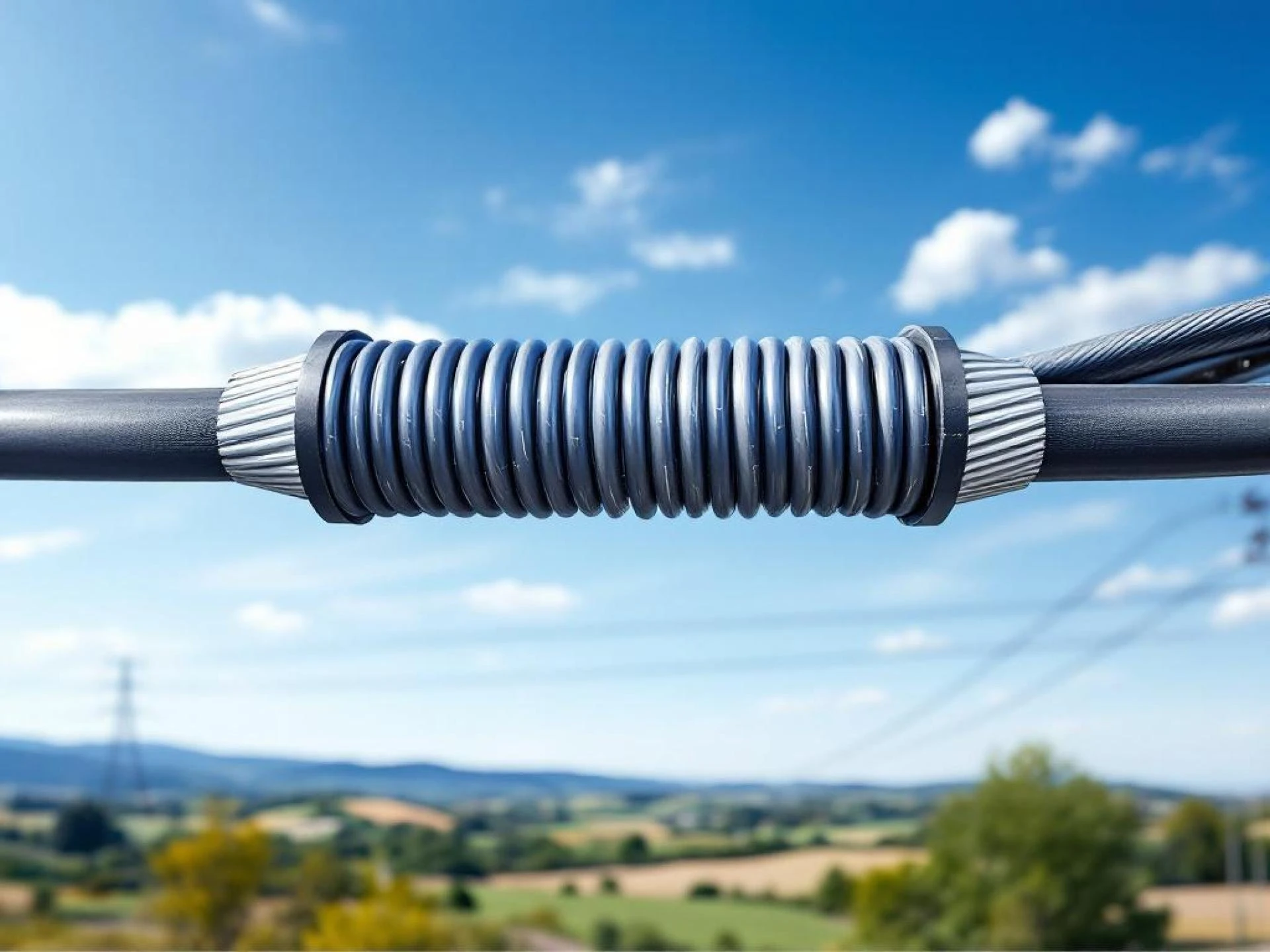
Fiber optic detection systems: Fiber optic cables installed along a fence can detect disturbances and pinpoint the exact location of an intrusion attempt.
Infrared sensors: Infrared beams create invisible barriers that trigger alarms when interrupted.
Microwave sensors: These sensors create a detection zone between two points and trigger alerts if movement is detected within that zone.
Smart cameras and video analytics: Modern security cameras with AI-based analytics can identify human movement and reduce false alarms caused by animals or weather conditions.
By combining these technologies, perimeter detection systems can deliver highly accurate threat detection with minimal false alarms.
Benefits of Perimeter Intrusion Detection
Organizations invest in perimeter intrusion detection because it provides several important security advantages.
Early Threat Detection
The primary benefit is early detection. Intruders are identified before they reach buildings, equipment, or sensitive areas, giving security teams more time to respond.
Improved Security Coverage
Large facilities such as airports, power plants, warehouses, and military bases often have extensive perimeters. Perimeter intrusion detection systems ensure these large areas remain continuously monitored.
Reduced False Alarms
Modern systems use advanced analytics and multiple sensor technologies to distinguish between real threats and harmless environmental activity.
Integration With Security Systems
Many perimeter detection systems can integrate with other security solutions, including CCTV cameras, alarms, and access control systems. This creates a complete, layered security strategy.
Where Perimeter Intrusion Detection is Used
Because of their reliability and effectiveness, perimeter intrusion detection systems are widely used across many industries.
Critical infrastructure sites such as power stations, data centers, and water treatment facilities rely heavily on these systems to prevent unauthorized access. Airports and transportation hubs use perimeter detection systems to secure restricted zones and maintain public safety.
Industrial sites and warehouses also benefit from perimeter intrusion detection, particularly where valuable equipment, materials, or inventory must be protected. Even commercial facilities and private properties are increasingly adopting these systems to strengthen their security.
Choosing the Right Perimeter Intrusion Detection System
Selecting the right perimeter intrusion detection system depends on several factors, including the size of the property, the type of perimeter boundary, and the level of security required.
For example, facilities with fencing may benefit from fiber optic or vibration-based detection systems, while open areas might require infrared or microwave sensors. Integrating the system with CCTV surveillance can further enhance threat verification and response.
Organizations should also consider scalability, reliability, and ease of integration when implementing perimeter detection systems.
The Future of Perimeter Intrusion Detection
Advancements in artificial intelligence and smart analytics are transforming the capabilities of perimeter intrusion detection systems. Modern systems can now analyze movement patterns, identify real threats, and provide accurate alerts in real time.
As security threats continue to evolve, businesses and organizations will increasingly rely on advanced perimeter detection systems to maintain strong protection. With the ability to detect threats early and respond quickly, these systems play a crucial role in modern security strategies.
By implementing effective perimeter intrusion detection, organizations can significantly reduce the risk of unauthorized access, protect valuable assets, and ensure the safety of people and facilities.


























Sign in to leave a comment.