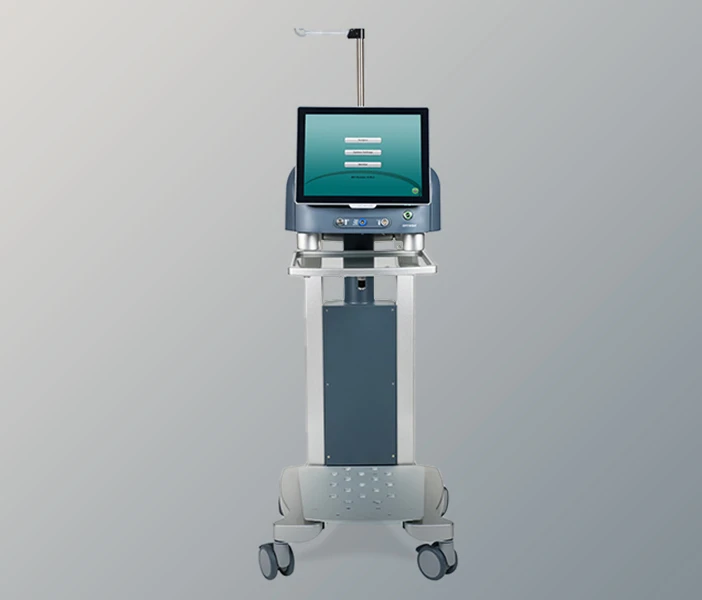

Cataracts are a common eye problem, particularly in older people. However, with new technology in eye care, cataract surgeries are now safer and more successful. The phacoemulsification machine, or phaco machine, has changed the way cataract surgery is done, turning it into a less invasive and very accurate process. In this blog, we will describe the procedure, methods, and recovery related to phacoemulsification, helping you understand its importance in today’s eye care.
What is a Phacoemulsification Machine?
A phacoemulsification machine is an advanced tool used in eye surgery for cataracts. It uses ultrasonic waves to break the cloudy lens into small fragments, which are then carefully suctioned out of the eye. This process enables the surgeon to insert a new artificial lens, helping to restore clear vision. Its accuracy and effectiveness have established it as the leading method for cataract surgery.
How Does the Phaco Procedure Work?
The phacoemulsification procedure is a step-by-step process:
Preparation: The patient gets local anaesthesia to numb the eye. A small cut is made on the cornea to place the probe of the phaco machine.
Lens Removal: The device generates ultrasonic waves to disintegrate the opaque lens into tiny pieces. Subsequently, these pieces are extracted through suction.
Lens Replacement: After the natural lens is taken out, a man-made intraocular lens (IOL) is put in place. The IOL helps enhance vision and can be tailored to fix vision problems.
Closure: With a small incision, stitches are often not required. The eye heals by itself, and patients can typically get back to their usual activities soon after the procedure.
Techniques Involved in Phacoemulsification
Phacoemulsification techniques differ based on what the patient needs and the skill of the surgeon. Some common methods are:
Standard Phacoemulsification: The standard method of using ultrasound energy to break down the lens into smaller parts.
Microincision Cataract Surgery (MICS): Uses smaller cuts, leading to quicker healing and lowering the chance of problems.
Laser-Assisted Phacoemulsification: Uses femtosecond lasers for more accurate cuts and for breaking up the cataract.
Recovery After Phaco Surgery
The recovery after phacoemulsification is faster than with older surgeries. Most patients notice better vision in just a few days. Here are some tips for an easy recovery:
Protect Your Eye: Wear safety glasses and do not touch your eyes.
Follow the Doctor’s Instructions: Take your medicine as directed and go to follow-up visits.
Limit Strain: Steer clear of heavy lifting, bending, or anything that might put pressure on your eyes.
Monitor Symptoms: Reach out to your doctor if you have intense pain, redness, or loss of vision.
Why Phaco Machines Are Essential in Ophthalmology
The phaco machine is a crucial device in today's cataract surgery. It helps to limit tissue damage, speeds up recovery, and enhances surgical results. Surgeons benefit from using advanced ophthalmology equipment like phacoemulsification machines, allowing them to provide top-quality care to their patients.
In closing,
Cataract surgery has become faster, safer, and more effective thanks to the phacoemulsification machine. This advanced technology and cutting-edge ophthalmology equipment allow patients to restore their vision with little recovery time. If you or someone you know is thinking about cataract surgery, learning about the phaco machine can boost your confidence in the process and its advantages. Welcome the new era of eye care with phacoemulsification!






















Sign in to leave a comment.