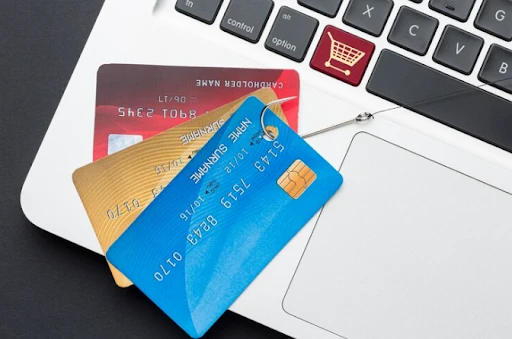

Phishing attacks are on the rise, and they're becoming more sophisticated by the day. Cybercriminals are now targeting popular platforms to exploit users' trust and access sensitive information. Whether it's emails, social media, or even collaboration tools, no platform is immune to this growing threat.
This post will walk you through the latest trends in phishing attack news, how these cyberattacks are evolving, and the proactive steps businesses and individuals can take to protect themselves. By the end of this article, you'll have a deeper understanding of phishing and, more importantly, know how to shield your organization from its damaging consequences.
What Are Phishing Attacks?
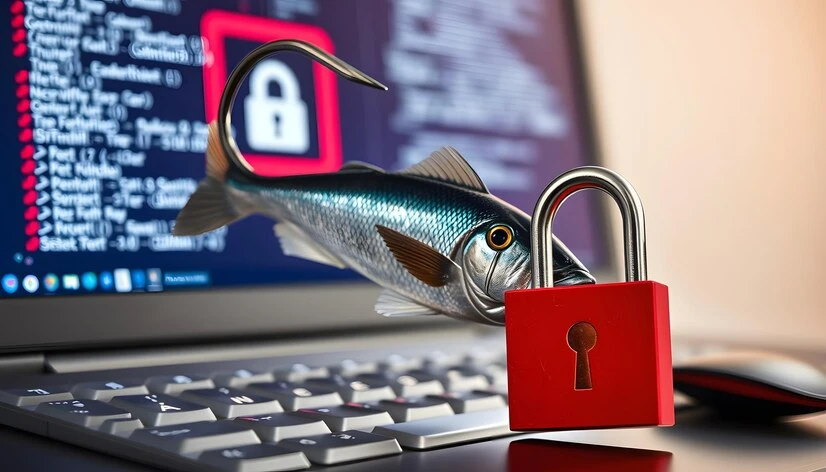
Phishing is a type of social engineering attack where hackers trick individuals into revealing sensitive information, such as usernames, passwords, or credit card details. This is typically done through fraudulent emails, fake websites, or malicious links that appear legitimate. The goal? Gain unauthorized access to accounts or systems to steal data or deploy malware.
The Evolution of Phishing Tactics
Phishing attacks have come a long way from generic mass emails. Today, they're far more targeted and convincing. Some notable tactics include:
- Spear Phishing: A personalized phishing attempt targeted at a specific individual, often using information gathered from social media profiles or public records.
- Clone Phishing: Cybercriminals duplicate a legitimate email previously sent by a trusted platform, swapping out links or attachments with malicious ones.
- Whaling: A highly targeted effort aimed at high-ranking individuals in an organization, such as CEOs or CFOs, to exploit access to sensitive data.
Knowing these variations can help identify phishing schemes before they cause damage.
Why Popular Platforms Are Under Attack?
Hackers tend to exploit platforms with a large user base or those most frequently used by businesses. Here’s why:
- Trust and Familiarity: Well-known platforms like Microsoft Office 365, Google Workspace, Zoom, or LinkedIn are trusted by millions. Cybercriminals mimic these platforms to bypass users' natural skepticism.
- Data-Rich Environments: Platforms where sensitive business data is stored, such as Slack or Dropbox, are lucrative targets.
- Work-from-Home Adoption: Hybrid and remote work environments rely heavily on digital tools, offering attackers a much wider attack surface.
Recent Examples of Cyberattacks Leveraging Popular Platforms
Case Study #1 – Microsoft Office 365 Phishing Attempt
Earlier this year, cybercriminals launched a massive phishing campaign targeting Office 365 users via cleverly crafted login pages. These fake pages mimicked Microsoft’s branding and asked users to enter their credentials for “account verification.” According to security researchers, this attack affected over 50,000 users globally in less than two weeks.
Case Study #2 – Fake Collaboration Tool Links
A recent phishing attack news report highlighted LinkedIn phishing events where fake job offers directed users to a malicious page. By masquerading as recruiters, hackers gained access to victims’ LinkedIn credentials, opening doors to sensitive company networks.
Case Study #3 – Zoom Meeting Links
With the rise of hybrid work setups, attackers often send fraudulent meeting invitations pretending to be from Zoom. By clicking these malicious links, users inadvertently install spyware or ransomware onto their devices.
The Consequences of a Phishing Attack
The impact of phishing attacks extends beyond stolen data. Some major effects include:
- Financial Loss: According to the FBI, phishing scams remain the most common and financially damaging cyber threat, costing U.S. businesses $2.4 billion in 2022 alone.
- Loss of Trust: A breach can erode customer trust, leading to long-term reputational damage.
- Downtime: A significant phishing attack can disrupt operations, causing delays and impacting revenue.
- Legal and Compliance Issues: Failing to secure user data might lead to regulatory penalties, depending on the industry and location.
Spotting a Phishing Attempt
Identifying phishing schemes can be tricky but not impossible. Here’s what to look for:
- Suspicious Email Addresses – Double-check the sender's email address for slight misspellings or extra characters.
- Generic Greetings – Legitimate platforms often personalize emails, while phishing attempts might use vague phrases like “Dear User.”
- Urgent Language – Be cautious of emails prompting immediate action (e.g., “Your account will be suspended,” or “Verify your identity now!”).
- Unusual Attachments – Never download or open unexpected attachments, especially if the email seems out of place.
- Discrepancies in URLs – Hover over links before clicking. If the URL doesn’t lead to the official platform domain, it’s likely malicious.
How to Protect Yourself and Your Organization from Phishing?
Phishing is a persistent threat, but these best practices can help mitigate risks for both individuals and businesses.
For Individuals
- Enable Multi-Factor Authentication (MFA) – Even if hackers steal your credentials, MFA acts as an extra layer of protection.
- Regularly Update Software – Ensure your devices and software are up to date to minimize vulnerabilities.
- Pause Before Clicking – Train yourself to evaluate emails critically before following any links or downloading attachments.
For Businesses
- Employee Training – Hold regular cybersecurity today awareness sessions to educate your team about phishing risks and how to identify red flags.
- Use Email Filtering Tools – Implement anti-phishing solutions that can flag or block fraudulent emails.
- Limit Access Permissions – Ensure employees only have access to the information they need to perform their jobs.
- Invest in AI-Powered Cybersecurity – Modern AI tools can analyze behavioral patterns and detect phishing attempts in real-time.
The Role of Cybersecurity Solutions in Combating Phishing
Cybersecurity tools play a critical role in defending against phishing attacks. Advanced detection systems, such as those leveraging machine learning, can identify phishing attempts by analyzing patterns in communication. Solutions like endpoint protection platforms (EPP) and Security Information and Event Management (SIEM) systems increase visibility and responsiveness, ensuring early-stage threats are neutralized.
Additionally, simulated phishing attempts by security-focused platforms can help train staff and build more robust organizational defenses.
Stay Ahead of the Threat
Phishing attacks are not going to disappear. On the contrary, as hackers refine their tactics, organizations must work on staying ahead through vigilance, education, and technology upgrades.
Addressing and mitigating phishing risks isn’t just about protecting your organization—it’s about safeguarding your customers, your reputation, and your financial future. Stay informed, stay proactive, and take cybersecurity seriously.


























Sign in to leave a comment.