
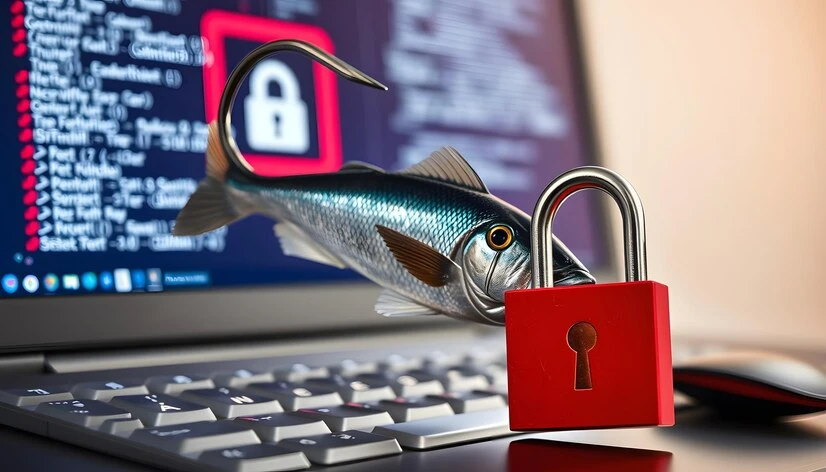
In the ever-evolving world of cyber threats, phishing stands out as one of the most persistent and dangerous tactics used by cybercriminals. Over the years, phishing techniques have become increasingly sophisticated, making it crucial for individuals and organizations alike to stay informed and vigilant. This blog post aims to shed light on the current phishing crisis, discuss the latest phishing news, and provide actionable tips on recognizing and protecting against these malicious activities.
Understanding the Phishing Crisis
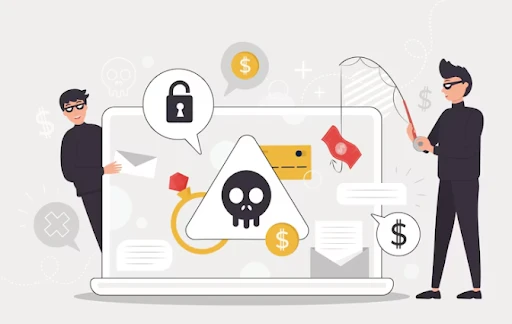
Phishing is a type of cyber attack where criminals deceive individuals into providing sensitive information, such as login credentials, credit card numbers, or personal identification details. This information is often used for fraudulent activities, identity theft, or unauthorized access to secure systems. Despite increased awareness, phishing remains a significant threat, as attackers continuously develop new and more effective techniques.
One of the primary reasons phishing is so effective is its ability to exploit human psychology. By posing as trusted entities or creating a sense of urgency, phishers manipulate their targets into acting quickly and without sufficient scrutiny. The evolution of latest phishing news tactics has made it more challenging to distinguish between legitimate and fraudulent communications, increasing the risk for individuals and businesses.
Latest Phishing News
The dynamic nature of phishing requires constant vigilance and awareness. Recent developments in phishing techniques highlight the ingenuity of cybercriminals and the importance of staying updated on the latest phishing news.
Spear Phishing
Spear phishing targets specific individuals or organizations, often using personalized information to increase the likelihood of success. By researching their targets, attackers craft convincing messages that appear to come from known contacts or reputable sources. This tailored approach makes spear phishing particularly dangerous, as recipients are less likely to recognize the threat.
Clone Phishing
Clone phishing involves duplicating a legitimate email and replacing its attachments, links, or content with malicious versions. Attackers use the original email as a template, making it difficult for recipients to detect any differences. This method leverages the trust established by the initial communication, increasing the chances of a successful attack.
Vishing and Smishing
Phishing isn't limited to email; it also extends to voice (vishing) and SMS (smishing) communications. Vishing attacks involve phone calls where attackers impersonate trusted entities, such as banks or government agencies, to extract sensitive information. Smishing, on the other hand, uses text messages to lure recipients into clicking on malicious links or providing personal details. Both vishing and smishing exploit the trust people place in phone and text communications.
High-Profile Phishing Attacks
Recent high-profile phishing attacks underscore the severity and reach of this cyber threat. For instance, a major social media platform faced a sophisticated spear phishing attack where employees were targeted with deceptive emails, leading to unauthorized access to high-profile accounts. Another case involved a financial institution where clone phishing emails tricked employees into revealing login credentials, resulting in significant financial losses. These incidents highlight the importance of staying informed about the latest phishing techniques and implementing robust security measures.
How to Recognize New Phishing Techniques?
Recognizing phishing attempts is essential for protecting yourself and your organization. While attackers continually refine their methods, certain signs can help you identify potential threats.
Suspicious Email Addresses and URLs
One of the first indicators of a phishing attempt is an unusual or slightly altered email address. Cybercriminals often create email addresses that closely resemble legitimate ones, hoping recipients won't notice the subtle differences. Additionally, hovering over links without clicking can reveal discrepancies between the displayed URL and the actual destination.
Urgent and Threatening Language
Phishers frequently use urgent or threatening language to pressure recipients into taking immediate action. Emails or messages that claim your account will be locked or that you must verify your information urgently should raise red flags. Legitimate organizations typically provide ample time and clear instructions for resolving such issues.
Unexpected Attachments and Requests for Personal Information
Be cautious of unexpected email attachments, especially from unknown or untrusted sources. Malware is often disguised as harmless files, and downloading or opening these attachments can compromise your device. Similarly, legitimate organizations rarely request personal information, such as passwords or social security numbers, via email.
The Role of Technology in Phishing Detection
Advanced technology plays a crucial role in detecting and preventing phishing attempts. Many email providers offer built-in spam filters and phishing detection features that flag suspicious emails. Additionally, security software with real-time scanning capabilities can identify and block malicious websites and attachments before they reach users.
Organizations can also implement AI-driven solutions that analyze communication patterns and detect anomalies indicative of phishing attempts. These tools continuously learn from new threats, enhancing their ability to identify and mitigate risks.
Protecting Yourself and Your Business
Preventing phishing attacks requires a combination of awareness, best practices, and technological safeguards. By adopting a proactive approach, individuals and organizations can significantly reduce their vulnerability to phishing.
Best Practices for Individuals
Educate Yourself: Stay informed about the latest phishing news and techniques. Awareness is the first line of defense.Verify Sources: Before acting on any email or message, verify its authenticity by contacting the sender through a trusted channel.Use Strong Passwords: Implement strong, unique passwords for each account and enable two-factor authentication (2FA) where possible.Best Practices for Organizations
Cybersecurity Training: Regularly conduct cybersecurity training sessions to educate employees about recognizing and responding to phishing attempts.Email Filtering: Utilize advanced email filtering solutions to block phishing emails before they reach employees' inboxes.Incident Response Plan: Develop and regularly update an incident response plan to address phishing attacks promptly and effectively.The Importance of Cybersecurity Awareness and Training
Continuous education and training are essential for maintaining a vigilant workforce. By fostering a culture of cybersecurity today, organizations can empower employees to recognize and report phishing attempts. Regular training sessions, simulated phishing exercises, and up-to-date resources ensure that everyone remains informed about the latest threats and best practices.
Conclusion
The phishing crisis continues to evolve, with cybercriminals developing increasingly sophisticated techniques to deceive their targets. Staying informed about the latest phishing news and understanding how to recognize and protect against these threats is crucial for individuals and organizations alike.
By adopting best practices, leveraging advanced technology, and fostering a culture of cybersecurity awareness, you can significantly reduce the risk of falling victim to phishing attacks. Stay vigilant, stay informed, and stay safe in the digital world.


























Sign in to leave a comment.