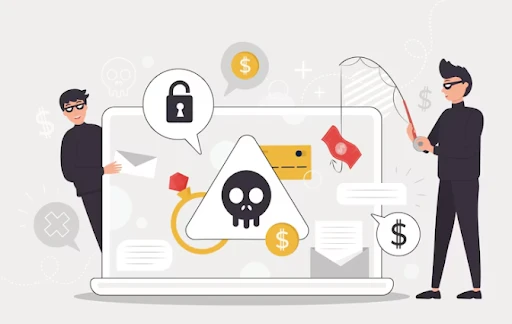

Cybersecurity is often viewed through the lens of high-profile data breaches or sophisticated hacking incidents that make headlines. It’s a complex and dynamic field that is indeed critical in the digital age but is perhaps not always well understood in its practical day-to-day applications for the average person.
In truth, cybersecurity is woven into numerous aspects of our online lives, sometimes in ways we might not be consciously aware of. From protecting our financial data during an online shopping spree to ensuring the safe transfer of sensitive documents at work, cybersecurity touches our tasks in many ways.
In this overview, we'll discuss several real-world examples to help demystify cybersecurity and illustrate its importance in safeguarding our digital experiences.
Beyond the Headlines: 3 Common Cybersecurity Crimes
While we all have different levels of exposure to cybersecurity risks depending on our roles and activities, there are certain types of cybercrimes that are pervasive and can affect anyone. Here are three common threats that everyone should be aware of:
Data Breaches
One of the most notorious cybersecurity incidents is a data breach, where sensitive, protected or confidential data is viewed, stolen or used by an individual unauthorized to do so. The impact of data breaches can be significant, as seen with the breaches of major credit bureaus, which exposed personal and financial information for millions of consumers. The breach not only cost the companies involved vast sums of money but also had long-lasting effects on individuals' credit scores and financial security.
Identity Theft
Identity theft occurs when someone uses another person's personal information, like name, Social Security number, or credit card number, without permission, to commit fraud or other crimes. An example of this is when hackers steal login credentials to access bank accounts, impersonating the owner and draining the funds. The aftermath can be a long, drawn-out process of reclaiming identity and restoring finances.
Ransomware Attacks
More common in recent years, ransomware is a type of malware that locks the victim out of their systems or encrypts their data, with the intent of extorting money. A famous example is the WannaCry attack, which affected over 200,000 computers in 150 countries. The attack had widespread consequences, affecting critical infrastructure and business operations.
Everyday Examples of Cybersecurity
Cybersecurity isn't just a concern for large corporations and government entities; it's a vital part of our everyday digital interactions. Here are a few instances where cybersecurity plays a crucial role without drawing the attention of a major news story:
Online Banking
When you log into your bank's website or mobile app, a myriad of cybersecurity protection tools come into play. This 'invisible shield' protects your account from unauthorized access, ensuring you are the only one who can check your balances, transfer money, or pay bills.
E-commerce Transactions
When you hit that 'buy now' button, your payment and personal information are securely transmitted over the internet. Encryption technology makes sure that the purchase you make on your favorite online store is seen only by you and the intended recipient.
Secure Email Communications
Whether you're sending a confidential memo to a coworker or discussing a sensitive matter with a friend, email services employ various forms of encryption to protect your content. This security measure ensures that your email is not intercepted en route or accessed by unauthorized individuals.
Why is Cybersecurity a Multi-Layered Approach?
In the complex world of cybersecurity, no single solution can offer complete protection. A multi-layered approach, often referred to as defense in depth, uses various mechanisms to mitigate the risk of an attack. These layers might include firewalls, anti-virus software, secure network configurations, regular security training for staff, and more. Each layer adds an additional obstacle to potential attackers, making the defense more robust.
For example, imagine a scenario where a company only protects their data with a strong encryption algorithm. While this is a critical step, it might not be enough if the user's account is compromised, and the encryption key is obtained. By adding layers such as role-based access controls and intrusion detection systems, the company significantly lowers the risk of a potential breach.
Is Cybersecurity One Word?
A common linguistic debate in the tech world is whether 'cybersecurity' should be written as one word or two. The most accepted convention today is to use 'cybersecurity' as a closed compound noun, indicating a single concept — the practice or process of protecting systems, networks, and programs from digital attacks.
It's worth noting that while language conventions evolve, the importance of the term and the field it represents remain constant. Whether it's 'cybersecurity' or 'cyber security,' the main focus should be on how to effectively execute the principles behind the term to keep our digital lives safe.
Conclusion
In our interconnected world, with digital threats constantly evolving, understanding and practicing good cybersecurity habits is crucial. Real-world examples not only serve as cautionary tales but also highlight the proactive measures necessary for protection. By staying informed and applying a multi-layered approach to our cyber actions, we empower ourselves with a more secure online environment. Remember, cybersecurity affects us all, and the more we know, the better we can protect ourselves and our digital assets.
































Sign in to leave a comment.