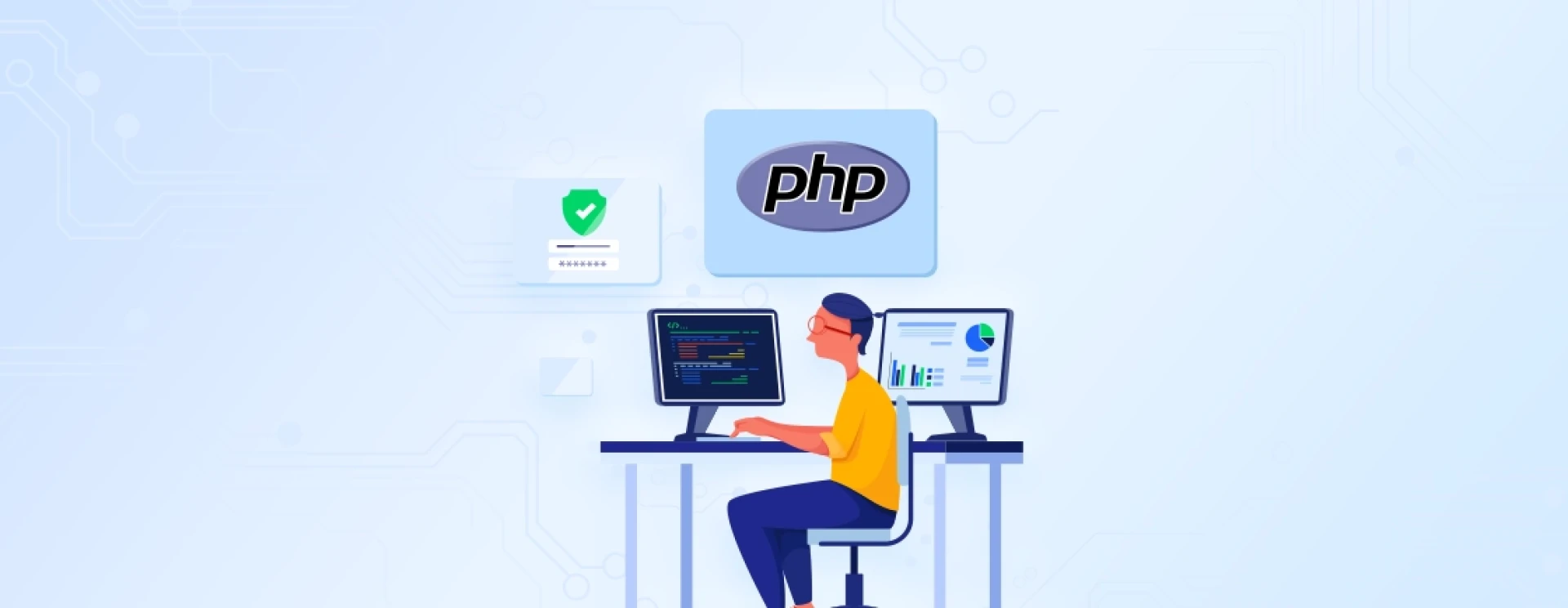

As much advantageous as it may be for you or your business to have a high-quality PHP website, the experience may be ruined by some miscreants on the internet. But you can easily prevent that. All you have to do is implement some PHP security practices, a few of which have been listed below.
#1. Regular PHP Updation
One of the first security practices is updating the latest PHP version and its frameworks and libraries. Every new version of PHP comes with bug fixes and security patches for known vulnerabilities. By regularly updating your PHP environment, you ensure the latest security fixes and protect your application from known attack vectors.
Updates are among the most significant PHP security practices. They not only address security concerns but also fix bugs and improve performance. Bug fixes resolve issues that may lead to unexpected behavior or system crashes.
#2. Code Reviewing
Code reviewing is an essential security practice in PHP development. Not only can it help ensure code quality, but it can also identify security vulnerabilities. It involves thoroughly examining the codebase by one or more dedicated PHP developers. An extra set of eyes can always help spot potential security issues the original programmer might have missed.
Code review allows developers to spot potential security vulnerabilities early in development. They can analyze the code for common security flaws such as input validation issues, insecure database queries, and inadequate authentication mechanisms. Doing that will help mitigate the risk of any potential attacks (like the ones mentioned above).
To conduct effective code reviews, it is important to establish clear guidelines and expectations. You must allocate sufficient time for review and ensure constructive feedback. Moreover, tools like code review platforms, version control systems, and static code analysis tools can help review the code more effectively.




























Sign in to leave a comment.