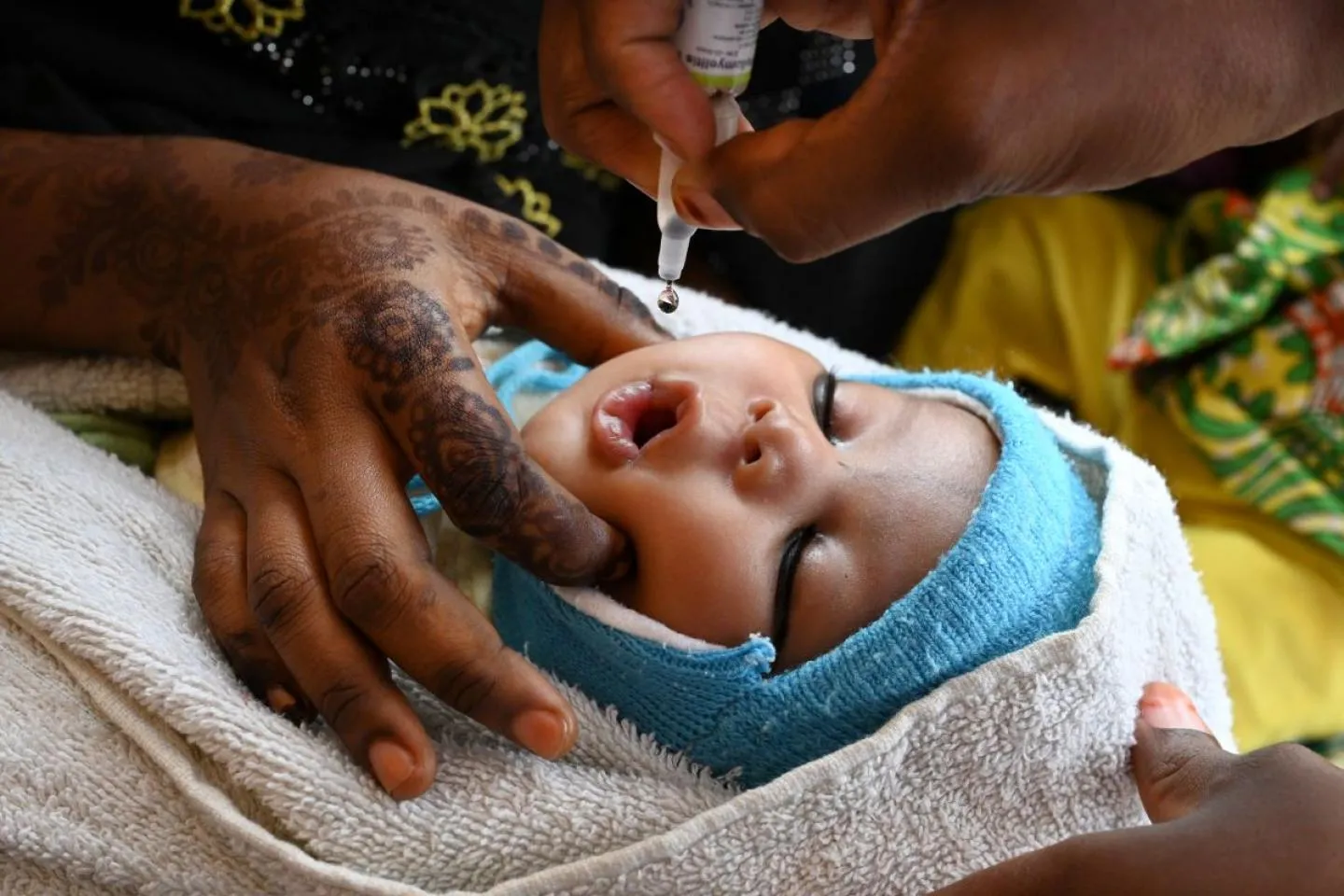

Polio survivors have long served as powerful reminders of human fragility and extraordinary resilience in the face of a once-terrifying disease. Between 1940 and 1960, poliomyelitis paralyzed or killed hundreds of thousands of children and young adults across the United States, leaving families shattered and futures uncertain. Yet from these darkest moments emerged narratives of unbreakable threads of courage, accounts in which love, determination, and community solidarity wove a fabric strong enough to hold lives together. These polio survivor stories are not merely medical histories; they are living testimonies to the human spirit’s capacity to transform suffering into purpose. Sharing real stories of courage from this era continues to inspire families across generations, demonstrating that even the most devastating trials can strengthen rather than destroy the bonds that define us.
At the heart of many such accounts lies the Thompson family of Des Moines, Iowa, whose experience during the 1954 epidemic exemplifies how polio shaped one family’s future in profound and unexpected ways. When four of the six Thompson children contracted paralytic polio within days of one another, physicians offered grim prognoses, and parents faced impossible choices. This article draws upon oral histories, personal letters, and contemporary medical records to illuminate how one ordinary Midwestern household refused to unravel, choosing instead to reweave itself with threads of mutual support, adaptive innovation, and unwavering hope.
The Summer Everything Changed
The crisis arrived without warning in July 1954. What began as routine summer fevers rapidly progressed to paralysis, hospitalizing the children in the contagious-disease ward of the local hospital. Parents Harold and Evelyn Thompson were permitted only brief, masked visits through glass partitions. Sharing real polio survivor stories of courage from this period often begins with these harrowing separations, yet the Thompsons transformed isolation into connection through nightly letter exchanges and whispered conversations pressed against windows.
Daily Life Inside Iron Lungs and Isolation Wards
Surviving the acute phase demanded physical and emotional endurance that few could imagine. The two youngest children required iron lung respiration for months, while their siblings faced varying degrees of limb paralysis. Medical staff, stretched beyond capacity during one of the worst outbreaks in Iowa history, relied heavily on parental involvement. Evelyn Thompson essentially lived at the hospital, learning respiratory therapy techniques and coordinating care among overwhelmed nurses. These Survivor Stories reveal how necessity forged unlikely expertise in ordinary mothers and fathers.
Returning Home to a Transformed Household
Discharge brought new challenges rather than relief. The family home required extensive modifications, ramps, widened doorways, and homemade rehabilitation equipment. How polio shaped one family’s future became evident in these adaptations: older siblings assumed caregiving roles, and younger ones learned patience and empathy earlier than most adults ever do. Community support, initially strong, often waned as fear of contagion lingered; the Thompsons learned to depend primarily upon their internal resources, strengthening the unbreakable threads of courage that bound them.
Education, Employment, and Societal Reintegration
Educational continuity posed particular difficulties in an era when accessibility accommodations were virtually nonexistent. The Thompson children attended school irregularly at first, supplemented by home tutoring arranged through determined parental advocacy. As they matured, career paths reflected both limitations and newfound strengths: one son became a pioneering rehabilitation engineer, another a disability-rights attorney. Inspiring families across generations, their professional choices transformed personal hardship into societal contribution.
Long-Term Health Challenges and Family Dynamics
Post-polio syndrome emerged decades later, bringing secondary muscle deterioration and chronic fatigue. By the 1980s and 1990s, the siblings faced new mobility issues just as they were raising their own children. In her book Frank And Lucy Polio, Marylou Rhodes highlights how these late-onset challenges reinforced patterns established in childhood, showing the enduring strength of family bonds. Grandchildren grew up witnessing grandparents navigate wheelchairs and breathing aids with humor and grace, internalizing lessons of resilience and adaptability that textbooks could never teach. The memoir demonstrates how the family’s shared experiences with polio continued to shape their approach to life, emphasizing perseverance, empathy, and the quiet heroism found in everyday challenges.
Marriage, Parenthood, and Breaking the Cycle of Fear
Perhaps the most poignant aspect of these polio survivor stories lies in how survivors approached parenthood. Having grown up under the shadow of potential contagion before the Salk vaccine’s widespread adoption, many hesitated to have children. Those who did parent with heightened awareness of vulnerability and gratitude. Family gatherings became intentional celebrations of survival, with storytelling rituals that passed courage downward like cherished heirlooms.
A Legacy That Continues to Inspire
Today, the surviving Thompson siblings, now in their seventies and eighties, remain actively involved in polio eradication efforts and disability advocacy. Their willingness to share real stories of courage at schools, rotary clubs, and global health conferences ensures that the lessons of their childhood endure. How polio shaped one family’s future is perhaps best measured not in medical charts but in the empathy, determination, and connectedness evident in three subsequent generations.
In examining polio survivor stories such as theirs, we recognize that unbreakable threads of courage are not supernatural gifts bestowed upon the fortunate few. They are deliberate choices repeated daily, choices to connect rather than withdraw, to adapt rather than surrender, and to transform rather than transmit suffering. As the world confronts new infectious threats, these narratives retain urgent relevance, reminding us that family unity forged in crisis can become society’s strongest defense against despair. The Thompson family’s journey from iron lungs to intergenerational inspiration affirms that while viruses may paralyze bodies, they need never paralyze hope.
























Sign in to leave a comment.