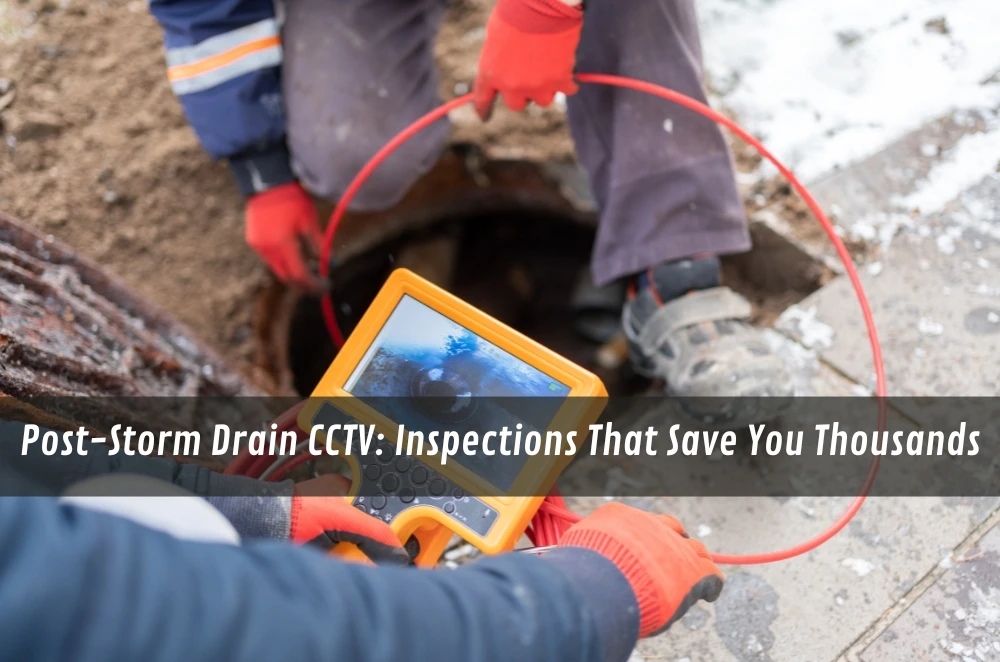

Storms have a way of revealing things we’d rather not notice. Roof leaks, loose fence panels, overflowing gutters — they all get our attention quickly. But the problems that sit underground are quieter and, in many cases, far more expensive if you miss them. Over the years, I’ve learnt that a simple sewer camera inspection carried out shortly after a heavy downpour can make the difference between a routine fix and a major excavation bill.
Below, I’ll walk through the type of storm-related issues that CCTV drain checks tend to uncover, why timing matters, and how a few preventative steps can genuinely save you thousands.
Why storms trigger hidden drain problems
Most drainage systems cope with day-to-day use just fine. It’s only when a storm dumps an enormous amount of water into the system that weak points start to show. I once saw this firsthand at a neighbour’s place. After a week of wet weather, he mentioned a gurgling sound behind the bathroom wall. Nothing dramatic. But when we ran a camera through his line, the stormwater had aggravated a tiny crack in a sewer joint. Soil had washed into the pipe, and the crack had grown. If he’d checked a week earlier, it probably would have been a minor repair.
Some of the most common issues that appear post-storm include:
- Fresh debris washed into the stormwater runs
- Pipes that shift because the surrounding soil becomes waterlogged
- Older clay pipes are cracking under extra pressure
- Tree roots are taking advantage of softened ground
It’s difficult — almost impossible — to diagnose these problems from the surface. And that’s exactly where CCTV inspections shine: they show you the truth of what’s happening underground, in real time.
How CCTV drain inspections work after a storm
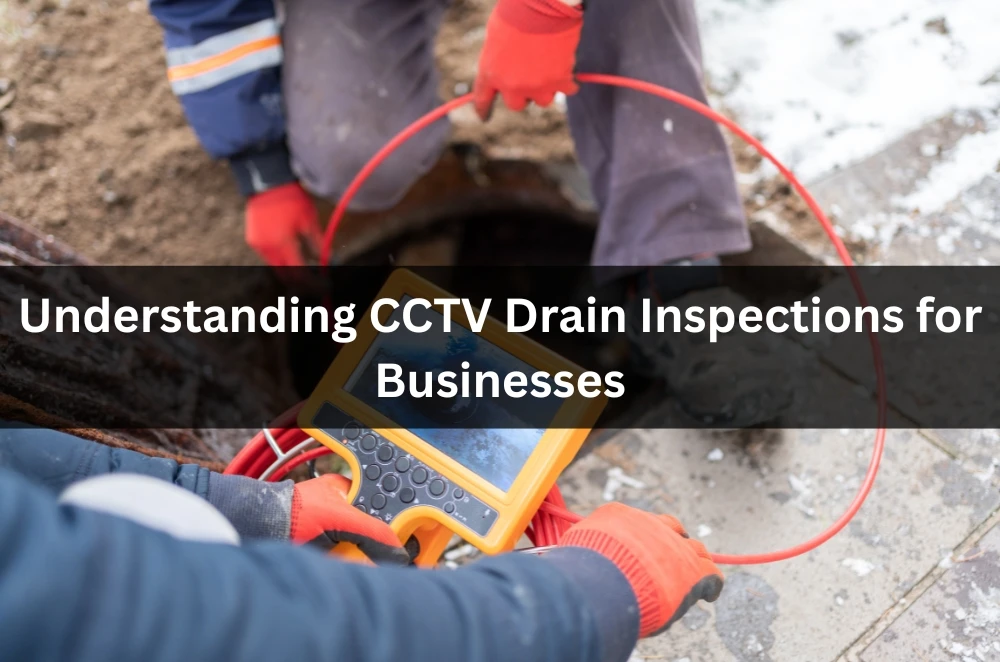
A post-storm camera inspection isn’t complicated. A small camera is fed through the line, lighting up the inside of the pipe as it travels. What makes it so effective after heavy rain is that the signs of damage and blockage are fresh and easy to spot. Sediment is still loose. Cracks haven’t dried out. Any structural shift is clearer.
What the camera tends to reveal:
- Blockages caused by silt or leaf matter
- Cracks that let stormwater invade the pipe
- Sagging or “bellied” pipe sections
- Root masses that expanded during wet soil conditions
A simple inspection can help you avoid a full pipe replacement that might stretch into the thousands.
What storms do to older underground pipes
Older homes come with quirks, and the plumbing system is usually one of them. Clay pipes — common prior to PVC — can’t handle the same pressure or movement. After a severe storm, I’ve seen these pipes develop hairline cracks that quickly worsen as the ground shifts.
Here’s what typically happens underground after a significant weather event:
- More root infiltration: Roots follow moisture. Storms create the perfect environment for them to push deeper into weak pipe joints.
- Pipe movement: Saturated soil doesn’t hold shape, causing pipes to misalign.
- Sediment buildup: Storms wash grit and soil into the line, forming new blockages.
- Existing cracks expand: Water force exposes and widens tiny weaknesses.
One homeowner I helped last year was shocked to learn that what she thought was “just an occasional slow drain” was actually a sizable crack in a stormwater line. A single inspection saved her from digging up half her yard unnecessarily.
The role of prevention and government guidance
Stormwater management isn’t just a private matter — councils and state agencies publish plenty of material to help residents understand how runoff affects properties. A blocked drain prevention guide is often the best starting point for homeowners who want to maintain their own systems responsibly.
Government recommendations usually cover topics such as:
- Keeping grates and inlets clear of debris
- Managing yard runoff with proper grading
- Minimising pollutants to protect both drains and the environment
- Taking steps to reduce root intrusion
Pairing those guidelines with a post-storm CCTV check is a practical strategy. One gives you the general framework — the other provides a zoomed-in view of what’s actually happening below your lawn.
The cost-saving advantages of post-storm CCTV checks
Many people think of CCTV inspections as a “nice to have,” but post-storm, they become something more like insurance. Not the paperwork kind, but the kind that prevents you from being blindsided by a major repair.
1. Identifies problems earlier
A crack found early is a simple patch or relining. A crack discovered after months of water pressure can mean a collapsed pipe.
2. Prevents recurring blockages
Storm debris can lodge in low points of the line. You might clear the blockage at the trap, but the underlying obstruction sits there waiting to cause trouble again.
3. Protects indoor areas from overflow
Once a sewer backs up, it often does so through the lowest fixture — usually a shower or laundry drain. The cleanup costs can dwarf the cost of an inspection.
How CCTV checks support long-term storm preparedness
One of the less-discussed advantages of a CCTV inspection is its usefulness as a baseline. If you know the condition of your drains today, you can compare it after the next big weather system. Over time, you’ll get a sense of where the vulnerabilities lie.
A proper inspection helps you:
- Track the development of cracks or root intrusion
- Understand high-risk sections of your stormwater or sewer line
- Budget for future repairs based on real evidence
- Reduce the odds of emergency call-outs during wild weather
In an old rental property I owned, I learnt the hard way that ignoring slow-changing issues leads to bigger problems. A camera check exposed a developing sag in a pipe run — something I might not have discovered until it fully collapsed. Sorting it early saved thousands.
Why CCTV beats traditional drain clearing after storms
Drain clearing tools — plungers, electric eels, high-pressure jets — all have their place. But they only solve the symptom. CCTV tackles the cause.
Camera inspections offer:
- A precise location of the problem
- A visual record you can review anytime
- Evidence-based decision making
- Greater accuracy for repairs or relining
You wouldn’t patch a wall without checking what caused the crack. Drains shouldn’t be any different.
Final thoughts: storms reveal problems — CCTV reveals solutions
Storms can be messy, stressful, and unpredictable. But they also provide a rare opportunity: they expose the weak points in your drainage system. A CCTV drain inspection turns that chaos into clarity. It’s a small, practical step that helps homeowners avoid costly surprises and stay in control — especially when the weather seems determined to do the opposite.





























Sign in to leave a comment.