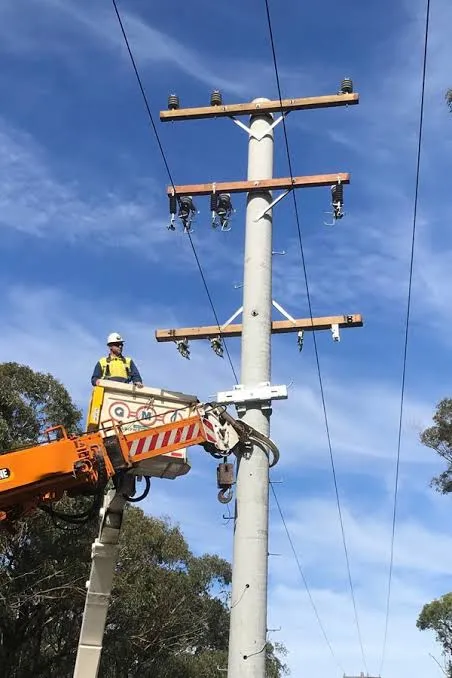

Reliable electrical infrastructure is essential for homes, businesses, construction projects and property developments across Sydney. When a new property needs an electricity connection, an existing service needs to be altered, or overhead infrastructure requires changes, the work needs to be carefully planned and completed by appropriately qualified professionals.
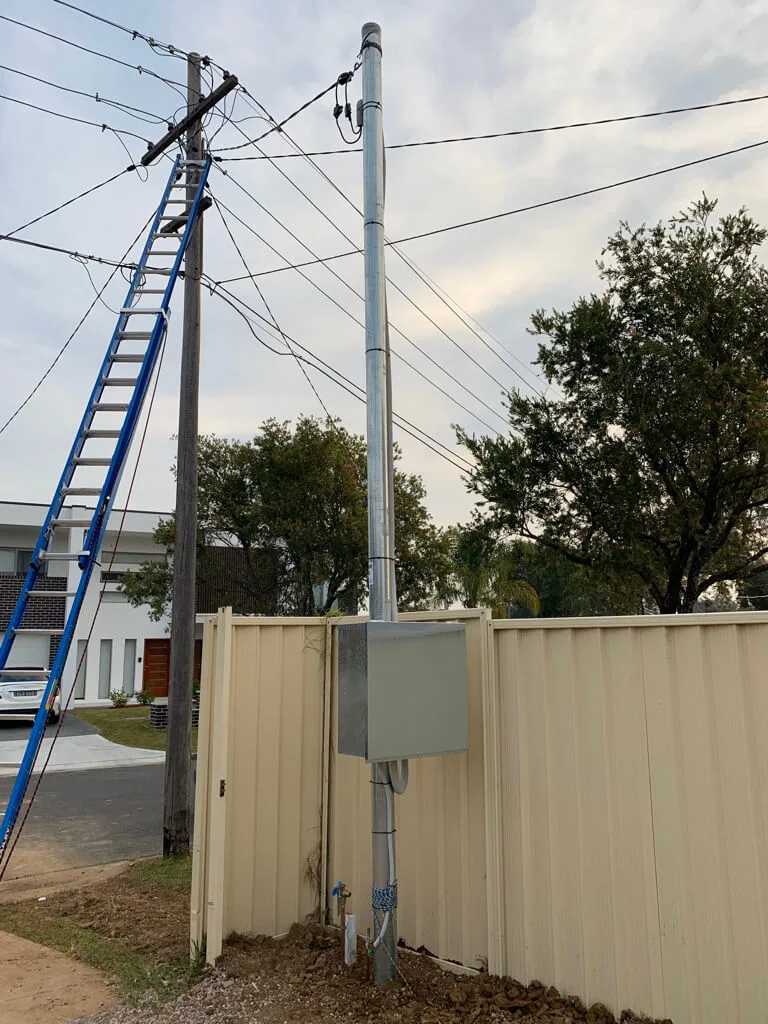
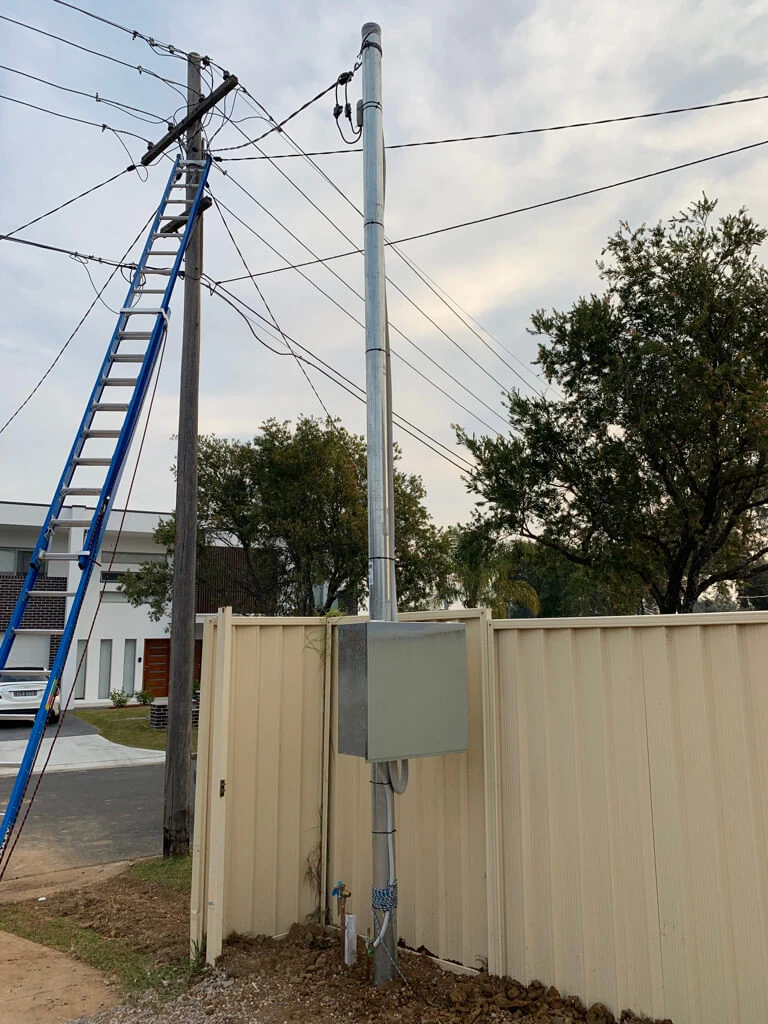
One important part of some electrical connection projects is Power pole installation. Depending on the property and network requirements, a new private pole or changes to overhead electrical infrastructure may be necessary to establish a safe and compliant electricity supply.
However, pole installation is not simply a matter of putting a pole into the ground and connecting electrical cables. Network requirements, property layout, clearances, connection points, approvals and safety considerations all need to be addressed.
What Is Power Pole Installation?
Power pole installation involves establishing a suitable pole structure to support electrical service infrastructure where required.
Depending on the project, electrical poles may be associated with:
- New residential connections
- Rural or semi-rural properties
- Property developments
- New construction projects
- Replacement of damaged infrastructure
- Alteration of existing overhead services
- Relocation of electrical infrastructure
- Temporary electrical supplies
- Changes to an existing connection
The exact requirements depend on the electricity distributor, property characteristics and type of electrical connection being established.
In NSW, work involving the electricity distribution network can fall under the Accredited Service Provider (ASP) Scheme. The NSW Government states that ASPs can undertake contestable network services such as constructing or altering distribution assets and connecting or disconnecting properties from the electricity network.
When Might You Need a New Electrical Pole?
Not every property requires a new pole. An electrical assessment should determine whether a pole is appropriate for your situation.
You may need to investigate a new pole or overhead service when:
- You are building a new property
- Your existing electrical connection needs to be relocated
- The existing service does not meet current requirements
- Your property layout has changed
- You are developing or subdividing land
- New electrical infrastructure needs to be established
- An existing pole or service has deteriorated
- An underground connection is not practical or suitable
Your electrician or ASP can discuss the available connection options and coordinate with the relevant electricity distributor where required.
7 Important Considerations Before Installing an Electrical Pole
1. Identify Your Electricity Distributor
Sydney and surrounding NSW areas are supplied by different electricity distribution networks.
Depending on your location, the relevant distributor may be:
- Ausgrid
- Endeavour Energy
- Essential Energy
The distributor's requirements can influence the design, connection arrangement and approvals for your project.
2. Check Whether an ASP Is Required
Electrical work involving the distribution network is different from ordinary electrical work inside your property.
The NSW Government explains that an ASP may be required when you are changing or upgrading an electricity supply, including work involving service lines or network assets.
ASP accreditation has different levels. For example:
- Level 1: Construction or augmentation of electricity distribution network assets, including poles, wires and underground assets
- Level 2: Construction or alteration of service lines between the distribution network and the connection point
- Level 3: Design of electricity distribution network assets
The provider's accreditation and worker authorisation need to match the work being undertaken.
3. Consider the Property Layout
The position of a pole matters.
Your electrician or ASP may need to consider:
- Property boundaries
- Driveways and vehicle access
- Buildings
- Trees and vegetation
- Overhead clearances
- Existing electrical infrastructure
- The proposed connection route
- Accessibility for future maintenance
The objective is to establish an electrical connection that is practical, safe and compliant with the relevant requirements.
4. Understand Overhead Service Requirements
Where an overhead service is proposed, the electricity distributor may have specific requirements concerning the point of attachment, connection point and service route.
The current NSW Service and Installation Rules are the industry code that electricians and ASPs follow when connecting customers to the electricity distribution network.
This is one reason professional planning is important before any physical work begins.
5. Plan Around Future Electrical Demand
A new connection should not necessarily be designed only around what you need today.
You may later add:
- An electric vehicle charger
- Solar panels
- Battery storage
- Air conditioning
- A workshop
- Additional buildings
- Pool equipment
- High-powered appliances
Discussing future requirements during the planning stage can help your electrical contractor determine whether additional capacity or infrastructure should be considered.
6. Allow for Approvals and Inspections
Electrical infrastructure projects can involve more than the physical installation.
Depending on the project, your ASP may need to:
- Prepare documentation
- Submit applications
- Coordinate with the distributor
- Obtain relevant approvals
- Arrange inspections
- Coordinate planned outages
- Complete testing
- Arrange connection or energisation
NSW Government guidance recommends confirming what approvals are required and asking your ASP who will communicate with the electricity distributor.
7. Choose the Right Electrical Provider
Because electrical poles and service connections can involve network infrastructure, you should verify that the provider has the appropriate accreditation and authorisation for the work.
The NSW Government recommends checking the ASP's accreditation level, obtaining written quotes and confirming that the provider is authorised for the type of project you require.
What Is the Process for Installing an Electrical Pole?
Although every project is different, a typical process may include the following steps:
1. Initial site assessment
Your electrical contractor examines the property and existing electrical infrastructure.
2. Determine the connection requirements
The required supply, connection method and infrastructure are assessed.
3. Identify network requirements
The relevant electricity distributor's requirements are established.
4. Prepare the required application or design
Depending on the complexity of the project, appropriate documentation or design work may be required.
5. Obtain approvals
Required distributor approvals and inspections are coordinated before construction proceeds.
6. Install the infrastructure
The pole, service equipment and associated electrical infrastructure are installed according to the approved requirements.
7. Test the installation
Appropriate testing is carried out to confirm the installation is safe and ready for connection.
8. Connect and energise the supply
Where applicable, the authorised provider coordinates the final connection and energisation process.
The NSW Service and Installation Rules require appropriate testing before safe connection to the network, including relevant electrical tests and checks.
How Can Cforce Electrical Help?
If you need electrical infrastructure work in Sydney, CForce Electrical can assist with electrical services and network-related requirements appropriate to its accreditation and authorisations.
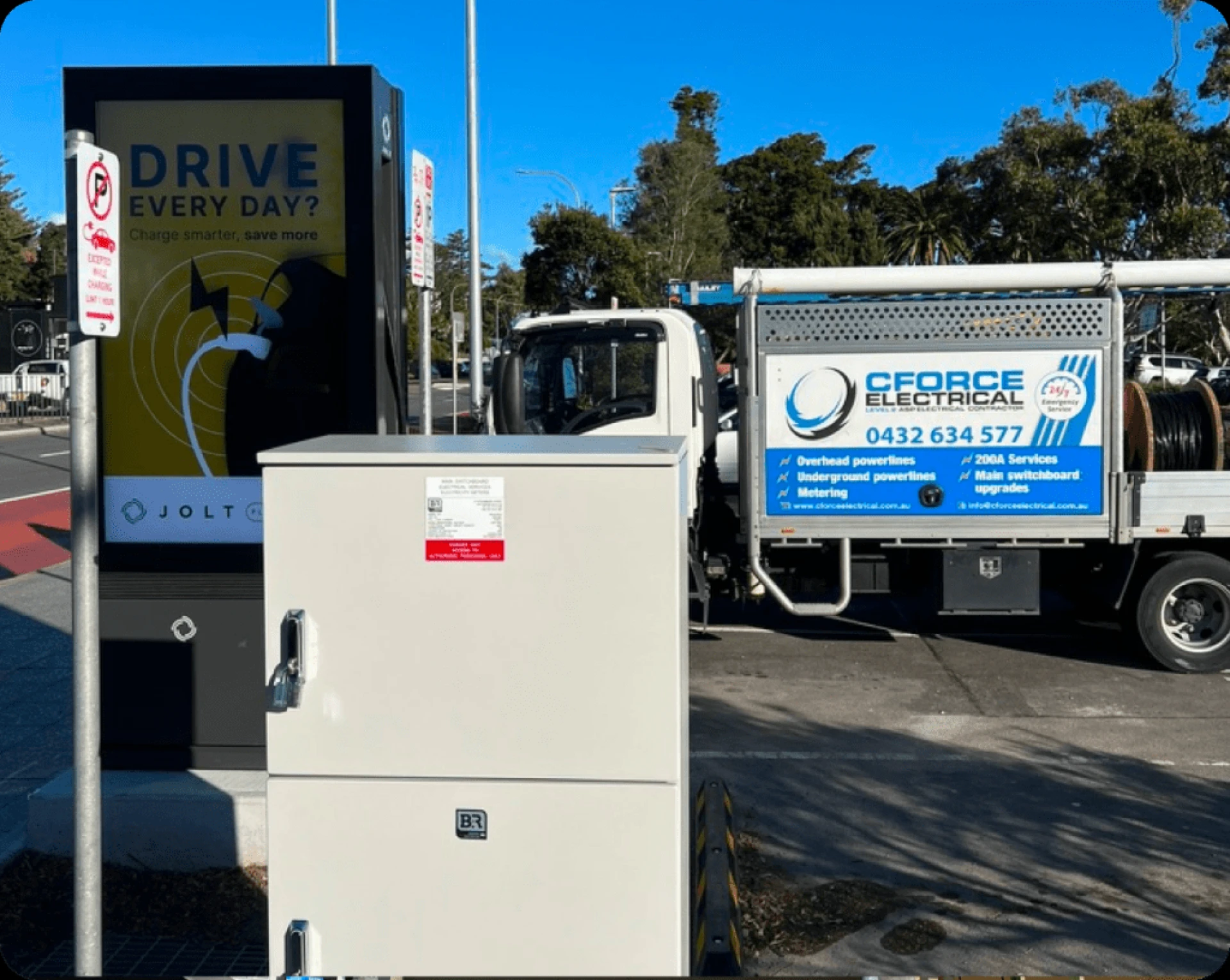
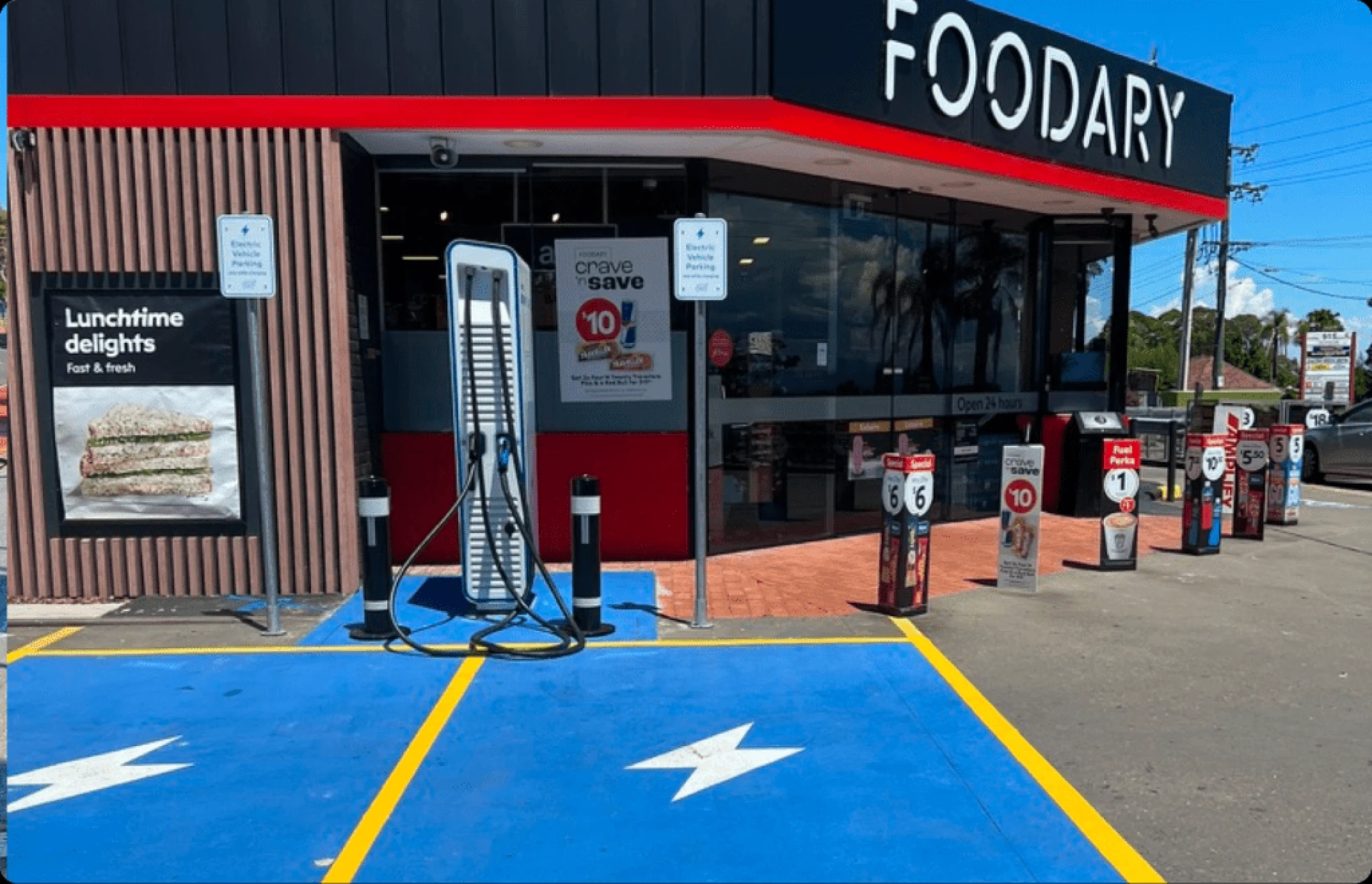
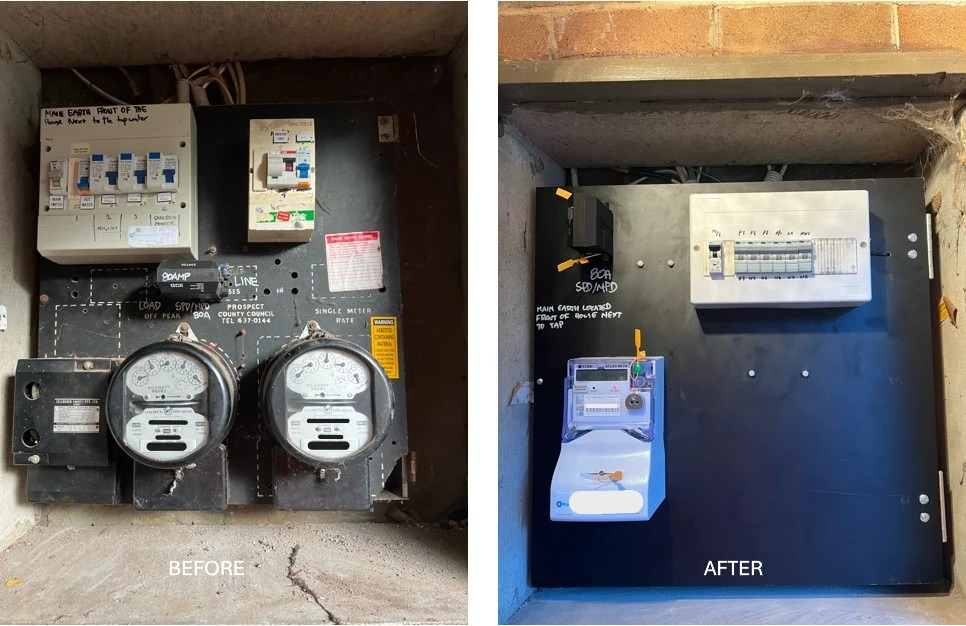
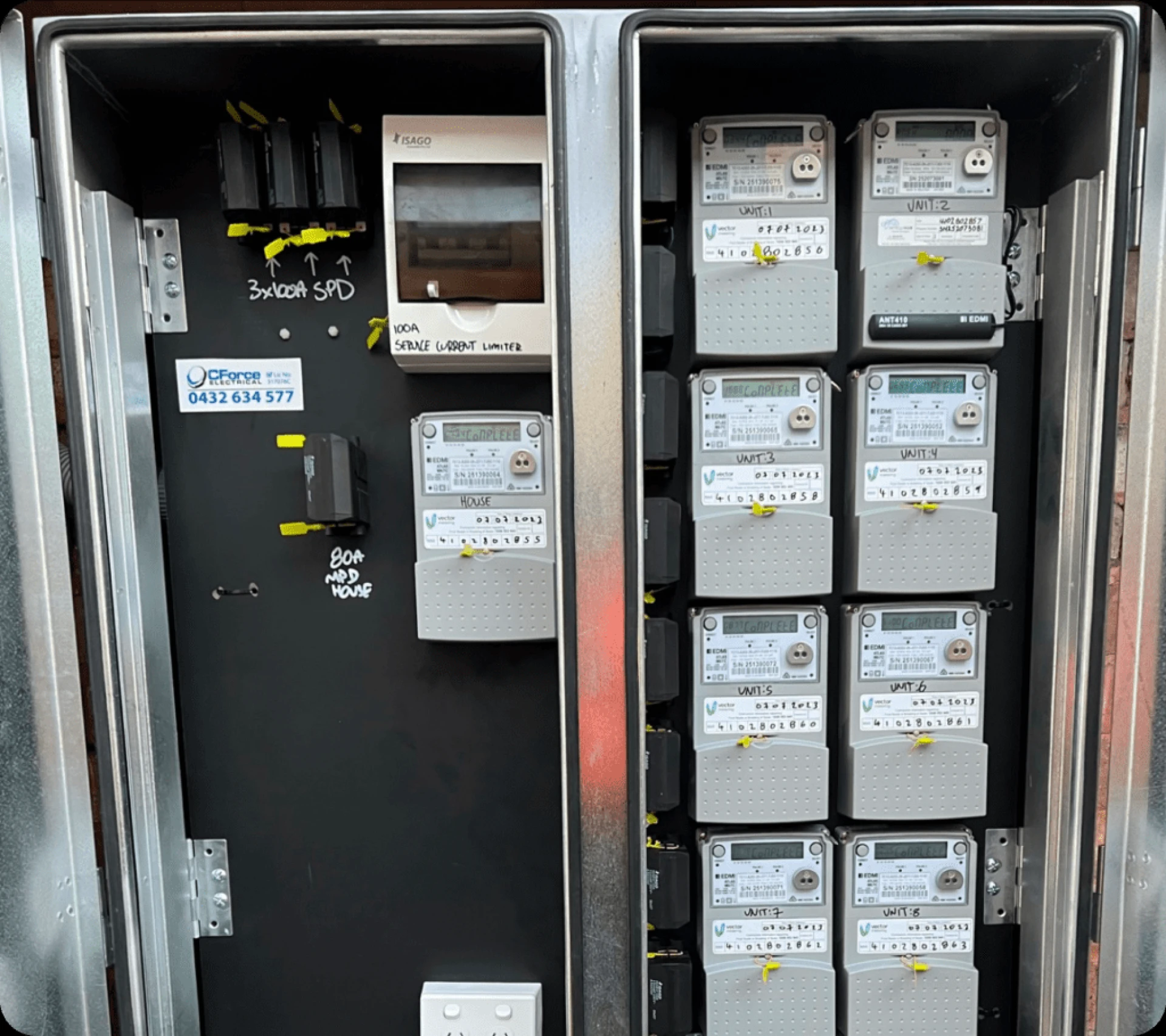
The company provides electrical services including powerline work, metering, three-phase upgrades and EV charger installations. For projects involving connection changes or overhead infrastructure, the appropriate ASP requirements should be established before work begins.
When discussing your project with an electrical contractor, ask:
- What type of connection do I need?
- Is a new pole required?
- Which electricity distributor services my property?
- Is an ASP required?
- What approvals are needed?
- Will an outage be necessary?
- What infrastructure should be planned for future electrical demand?
- What will be included in the written quotation?
Getting these questions answered early can make the project easier to manage.
Frequently Asked Questions
Do I always need an electrical pole for a new connection?
No. Depending on the property and network arrangement, electricity may be supplied through overhead or underground infrastructure. The appropriate solution depends on the distributor's requirements and site conditions.
Can I install an electrical pole myself?
Electrical network infrastructure should not be treated as a DIY project. Work involving distribution network assets or customer connection services may require an appropriately accredited and authorised ASP.
Who approves an electrical pole installation?
The requirements depend on the project and the relevant electricity distributor. Your ASP can help identify the necessary applications, designs, approvals and inspections.
How long does pole installation take?
There is no universal timeframe. Simple projects may be relatively straightforward, while projects involving network upgrades, approvals, design work or difficult site conditions can take longer.
Can an existing electrical pole be relocated?
Potentially, yes. However, relocation may involve network requirements and approvals, particularly if the pole or associated infrastructure belongs to the electricity distributor.
What should you look for when choosing an ASP?
Check that the provider holds the appropriate accreditation level and that the workers undertaking the relevant network work have the required distributor authorisation. NSW Government also recommends comparing written quotes and confirming project requirements before proceeding.
Final Thoughts
Electrical infrastructure needs to be planned carefully, particularly when a project involves poles, overhead services or connections to the electricity distribution network.
Whether you are developing a property, building a new home, replacing existing infrastructure or changing an electrical connection, professional assessment can help you understand the safest and most practical solution.
With the right planning, approvals and qualified professionals, Power pole installation can become part of a well-organised electrical infrastructure project rather than an unexpected complication.
If you are planning electrical infrastructure work in Sydney, start by assessing your property's requirements, identifying the relevant distributor and confirming whether an accredited service provider is required. This approach can help you avoid unnecessary delays and ensure the work is completed in accordance with the applicable NSW requirements.





















Sign in to leave a comment.