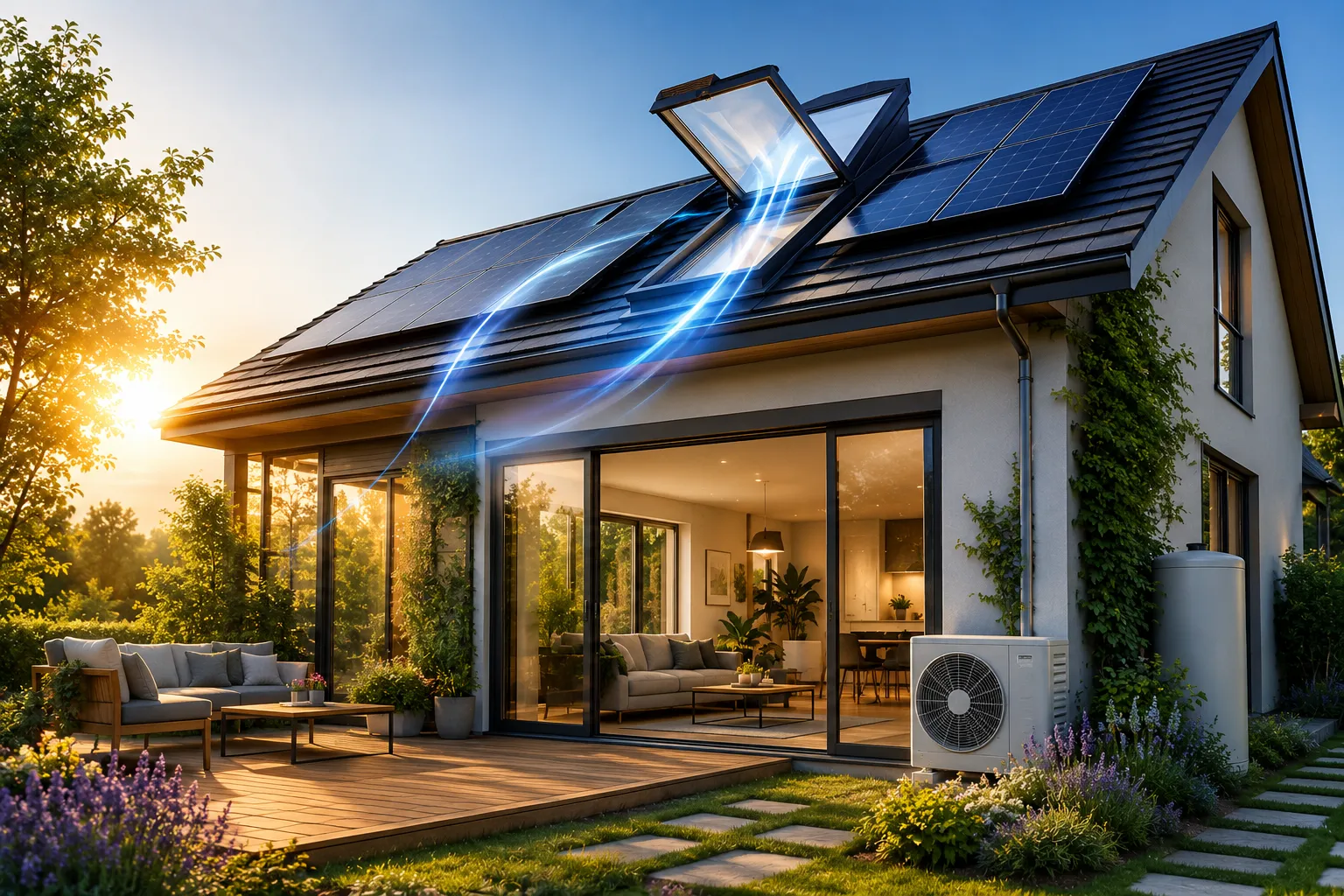

Energy efficiency has become one of the top priorities for modern homeowners looking to reduce utility bills, improve indoor comfort, and create healthier living environments. Rising energy costs and changing weather conditions have encouraged many people to rethink how their homes perform throughout the year. Fortunately, making a home more energy efficient does not always require a complete renovation. Strategic improvements can deliver noticeable results quickly while also increasing long-term property value.
From better insulation to modern ventilation systems, small upgrades can significantly improve how efficiently a home uses energy. Thoughtful planning also helps homeowners create spaces that feel cooler in summer, warmer in winter, and more comfortable year-round.
Upgrade Roof Ventilation Systems
One of the most effective ways to improve energy efficiency is by upgrading roof ventilation. Many homes trap excessive heat inside roof cavities, especially during warmer months. This trapped heat can spread throughout the home, forcing air conditioning systems to work harder and increasing electricity costs.
Installing skylight roof ventilation is a smart solution for improving airflow and reducing indoor heat build-up naturally. Proper ventilation allows hot air to escape while encouraging fresh air circulation throughout the property. Homes with better airflow often feel more comfortable without relying heavily on cooling systems.
In addition to temperature control, skylight roof ventilation can also help reduce moisture accumulation in roof spaces. Excess moisture may contribute to mould growth, unpleasant odours, and damage to insulation over time. Improving airflow helps maintain a healthier indoor environment while protecting the roof structure itself.
Modern ventilation systems are available in a range of styles designed to suit different home layouts and climates. Choosing the right setup with professional guidance can make a noticeable difference in both comfort and energy savings.
Improve Home Insulation
Insulation plays a major role in maintaining stable indoor temperatures. Poor insulation allows heat to enter during summer and escape during winter, making heating and cooling systems work much harder than necessary.
Upgrading insulation in ceilings, walls, and floors helps reduce energy loss and creates a more comfortable indoor environment throughout the year. Homes with proper insulation often experience lower electricity bills and more consistent temperatures across different rooms.
Roof insulation is particularly important because large amounts of heat enter and leave through the roof. Combining quality insulation with ventilation improvements creates a highly effective energy-saving solution for many homeowners.
Professional installers can recommend insulation materials suited to specific climate conditions and property types. Investing in quality insulation also improves overall indoor comfort while reducing long-term energy costs.
Install Energy-Efficient Windows
Older windows are one of the biggest sources of unwanted heat transfer in homes. Poorly sealed or single-pane windows allow outdoor temperatures to affect indoor comfort significantly.
Upgrading to energy-efficient windows helps maintain more stable temperatures while reducing the need for excessive heating or cooling. Double-glazed windows are especially effective because they provide better insulation and minimise heat transfer between indoor and outdoor spaces.
Modern window designs can also improve natural lighting, reducing the need for artificial lighting during the day. Homes that maximise natural light often feel brighter, larger, and more inviting while consuming less electricity.
Adding window coverings such as thermal curtains or blinds can further improve energy efficiency by blocking excessive sunlight during hot weather and retaining warmth during colder months.
Use Smart Home Technology
Smart home systems have become increasingly popular for homeowners wanting better control over energy usage. Devices such as smart thermostats, automated lighting, and energy-monitoring systems allow homeowners to manage electricity consumption more efficiently.
Smart thermostats learn household temperature preferences and automatically adjust heating or cooling settings throughout the day. This reduces unnecessary energy use while maintaining indoor comfort.
Automated lighting systems can switch off lights when rooms are empty, while energy-monitoring apps provide real-time insights into electricity usage patterns. These technologies help homeowners identify areas where energy may be wasted and make adjustments accordingly.
Even small behavioural changes guided by smart technology can contribute to noticeable savings over time.
Upgrade to LED Lighting
Lighting improvements are among the simplest and fastest ways to improve home energy efficiency. Traditional incandescent bulbs consume far more electricity than modern LED alternatives.
LED lights use significantly less power while lasting much longer than older bulbs. They also produce less heat, which can slightly reduce indoor temperatures during warmer months.
Replacing outdated lighting throughout the home can quickly lower electricity usage without affecting brightness or appearance. Many homeowners also appreciate the wide range of LED colour temperatures and designs available for different interior styles.
Outdoor LED lighting is another practical upgrade that improves visibility and security while reducing energy consumption.
Maintain Heating and Cooling Systems
Heating and cooling systems operate more efficiently when properly maintained. Dirty filters, blocked vents, and neglected equipment force systems to work harder, increasing electricity costs and reducing performance.
Regular maintenance helps improve airflow, maintain consistent temperatures, and extend the lifespan of HVAC equipment. Homeowners should replace filters regularly and schedule professional servicing to ensure systems remain in good condition.
Combining efficient air conditioning systems with skylight roof ventilation can further reduce cooling demands during hot weather. Improved airflow naturally removes trapped heat, helping air conditioning units operate more efficiently and reducing overall energy usage.
Well-maintained systems not only save money but also improve indoor air quality and comfort.
Upgrade Roofing Materials
Roofing materials have a direct impact on how much heat enters a home. Dark or outdated roofing surfaces often absorb excessive heat, increasing indoor temperatures significantly during summer.
Modern reflective roofing materials are designed to minimise heat absorption and improve thermal performance. These materials reflect more sunlight away from the property, helping keep roof spaces cooler.
Cool roofing systems are especially beneficial in warmer climates where heat exposure is more intense throughout the year. Homeowners planning roof replacements may benefit greatly from choosing energy-efficient roofing materials combined with improved ventilation systems.
Upgrading the roof can also enhance the home’s appearance and increase property value.
Seal Air Leaks Around the Home
Small air leaks may seem insignificant, but they can waste large amounts of energy over time. Gaps around windows, doors, vents, and pipes allow conditioned air to escape while letting outdoor temperatures enter the home.
Sealing these leaks improves insulation performance and helps maintain stable indoor temperatures more efficiently. Weather stripping, caulking, and door seals are affordable solutions that can deliver immediate benefits.
Professional energy assessments can help identify hidden leaks and recommend the best sealing methods for specific areas of the home.
Reducing unwanted airflow also improves indoor comfort by eliminating drafts and uneven room temperatures.
Install Solar Energy Systems
Solar panels remain one of the most effective long-term investments for improving energy efficiency and reducing reliance on traditional electricity sources. Advances in solar technology have made systems more affordable and efficient than ever before.
Homes with solar panels can generate their own electricity, significantly lowering energy bills while reducing environmental impact. Battery storage systems allow homeowners to store excess power for later use, increasing energy independence even further.
Combining solar systems with efficient roofing, insulation, and ventilation improvements creates a highly sustainable home environment.
Government rebates and incentives may also help reduce installation costs in some regions, making solar energy even more attractive for homeowners.
Focus on Water Efficiency
Energy efficiency is closely connected to water usage because heating water requires electricity or gas. Upgrading water systems can reduce both water waste and energy consumption.
Low-flow showerheads, efficient taps, and modern hot water systems help reduce unnecessary water heating costs. Tankless water heaters are especially efficient because they heat water only when needed rather than storing continuously heated water.
Fixing leaking taps and pipes also prevents water waste while improving overall household efficiency.
These upgrades may seem small individually, but together they can contribute to substantial long-term savings.
Add Natural Light Solutions
Homes that rely heavily on artificial lighting during the day often consume unnecessary electricity. Adding natural lighting solutions can significantly improve brightness while reducing power usage.
Features such as skylights allow sunlight to enter interior spaces naturally, creating brighter and more inviting environments. Natural light can also improve mood, reduce dependence on electrical lighting, and enhance the overall appearance of living areas.
When combined with skylight roof ventilation, skylights provide dual benefits by improving both airflow and natural lighting throughout the home. This combination creates cooler, fresher, and more energy-efficient living spaces that feel comfortable year-round.
Professionally installed skylights can be customised to suit different roof designs and room layouts while maximising energy performance.
Create a Long-Term Energy Plan
Improving energy efficiency works best when homeowners take a long-term approach. Rather than making rushed decisions, creating a strategic plan allows upgrades to be completed gradually based on budget and priority.
A professional energy assessment can help identify which areas of the home require immediate attention and which improvements will provide the greatest savings over time.
Homeowners who focus on ventilation, insulation, efficient appliances, and sustainable materials often experience lower utility bills, increased comfort, and stronger property value for many years.
Even small upgrades completed consistently can lead to major improvements in overall home performance.
Smarter Living Ahead
Energy-efficient home improvements offer far more than lower electricity bills. They create healthier, more comfortable living spaces while helping homeowners reduce environmental impact and protect long-term property value.
From insulation and smart technology to roofing upgrades and skylight roof ventilation, every improvement contributes to better home performance and daily comfort. Thoughtful upgrades can also reduce maintenance needs while improving indoor air quality and temperature control throughout the year.
For homeowners wanting fast and practical results, focusing on strategic improvements rather than major renovations is often the most effective approach. Investing in quality materials, professional installation, and long-term planning helps create a home that is efficient, comfortable, and built for the future.

















Sign in to leave a comment.