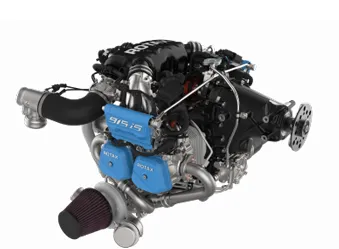

There is an unparalleled sense of freedom that comes with sport aviation. Flying a microlight or ultralight aircraft brings you closer to the sky than commercial or traditional general aviation ever could. However, soaring above the clouds with peace of mind requires absolute confidence in the mechanical heart of your aircraft: the engine.
Selecting the right microlight aircraft engines is a critical balance of weight, performance, reliability, and cost. In the sport aviation world, one name consistently dominates the conversation: Rotax. If you are building a kit plane, retrofitting an older trike, or maintaining a light-sport aircraft (LSA), understanding your engine options and navigating current Rotax aircraft engine prices is essential.
The Landscape of Microlight Aircraft Engines
Microlight aircraft require powerplants that adhere to strict weight limits while delivering high power-to-weight ratios. Unlike heavy, traditional Lycoming or Continental engines found in standard general aviation, microlight engines must be compact, highly efficient, and capable of operating under high RPMs.
While there are several alternative manufacturers on the market, ranging from converted automotive engines like VW and Hirth to specialized aviation brands like Jabiru and D-Motor, Rotax remains the gold standard.
What to Look for in a Sport Aviation Engine:
- Power-to-Weight Ratio: Every ounce matters when adhering to strict microlight weight regulations.
- Cooling Systems: Air-cooled, liquid-cooled, or hybrid systems dictate how well the engine manages thermal stress during long climbs.
- Fuel Efficiency and Type: The ability to run on standard automotive premium fuel (Mogas) rather than specialized aviation fuel (Avgas) significantly lowers operating costs.
- TBO (Time Between Overhauls): A higher TBO means fewer expensive overhauls over the lifespan of the aircraft.
The Industry Benchmark: Rotax Aircraft Engines
Produced by BRP-Rotax in Austria, these engines power more than 80% of all light-sport and ultralight aircraft globally. Their reputation for reliability and global parts availability makes them the safest bet for pilots who want to spend more time in the air and less time in the hangar.
Let's break down the most popular Rotax models used in the microlight industry today:
1. Rotax 582 (The Two-Stroke Legacy)
Though recently discontinued from active production, thousands of these liquid-cooled, two-stroke engines still power microlights worldwide. Offering 65 horsepower, it is incredibly lightweight and simple to maintain, though it requires mixing oil with fuel.
2. Rotax 912 Series (The Four-Stroke Workhorse)
The 912 series revolutionized light aviation. It is a four-cylinder, four-stroke engine featuring air-cooled cylinders and liquid-cooled cylinder heads.
- Rotax 912 UL (80 hp): The baseline entry for many traditional microlights, offering excellent fuel economy on regular Mogas.
- Rotax 912 ULS (100 hp): The most popular engine in the sport aviation world, offering extra punch for shorter takeoffs and faster climbs.
3. Rotax 912 iS & 914 (The High-Tech & Turbo Options)
For pilots demanding maximum performance, the 912 iS brings Electronic Fuel Injection (EFI) to the table, optimizing fuel burn and eliminating carburetor ice risks. The 914 introduces a turbocharger, allowing the engine to maintain its full 115 horsepower even at high density altitudes.
Deconstructing Rotax Aircraft Engine Prices
When looking at the financial investment required for an aviation engine, it is easy to experience a bit of sticker shock. Aircraft engines are built to incredibly tight tolerances and strict safety standards, which drives up production costs.
Because prices fluctuate based on global supply chains, exchange rates, and the specific accessories included (such as exhaust systems, radiators, or engine mounts), it helps to understand the general pricing tiers for new crate engines.
General Pricing Tiers:
- The Entry Level (Legacy Two-Stroke Support): While you can no longer buy a new 582, sourcing a factory-remanufactured or low-hour used model typically costs between $5,000 and $9,000.
- The Standard Workhorses (Rotax 912 UL / ULS): A brand new, carbureted 80 hp or 100 hp 912 engine typically ranges from $18,000 to $24,000, depending on configuration and whether you opt for a certified or non-certified version.
- The Premium Fuel-Injected and Turbo Models (912 iS / 914 / 915 iS): Top-tier powerplants with fuel injection or turbocharging generally command prices between $28,000 and $38,000+.
Hidden Costs to Keep in Mind
When budget planning for a replacement or a new build, the engine price sticker is only part of the equation. To avoid unexpected financial hurdles, make sure to factor in the following components:
- The Firewall-Forward (FWF) Kit: This includes the engine mounts, oil lines, radiators, cowlings, and hardware required to physically attach the engine to your specific airframe.
- The Propeller: High-horsepower engines require a propeller capable of handling the torque. Ground-adjustable or in-flight adjustable props add to the total cost.
- Instrumentation: Upgrading from analog gauges to modern digital glass cockpits that integrate with Rotax's engine management systems (especially for iS models) will require additional investment.
Making the Right Choice with Motive Aero
Choosing the perfect powerplant for your microlight is a major decision that influences safety, performance, and resale value. While Rotax aircraft engine prices represent a significant upfront investment, their unmatched reliability, low fuel consumption, and excellent resale market value make them the smartest long-term choice for serious aviators.
At Motive Aero, we understand the nuances of sport aviation propulsion. Whether you are building from scratch, maintaining a classic, or looking to upgrade your current engine setup, our team is here to provide expert guidance and top-tier support.
Source URL:- https://motiveaero.blogspot.com/2026/06/powering-your-passion-navigating.html


























Sign in to leave a comment.