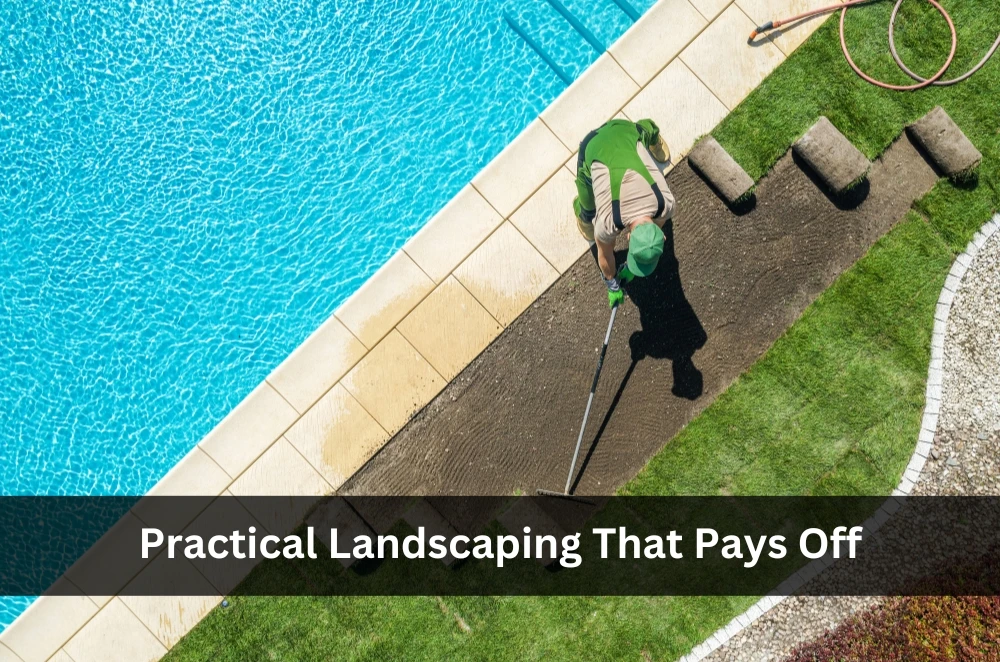

Landscaping isn’t a luxury in Sydney; it’s an integral part of how we live, breathe, and add value to our properties. When outdoor areas pull their weight—functionally and visually—maintenance drops and enjoyment rises. The right design transforms a cramped courtyard into a calm, usable space, or a steep block into a tiered planting area with safe access. That’s why we keep circling back to Sydney landscaping services: done well, they solve problems you feel daily—drainage, heat, wasteful watering—without turning the place into a construction site for months. Think practical upgrades first: paths that actually drain, plant palettes that suit the microclimate, and irrigation you don’t have to babysit. It’s common sense dressed as curb appeal.
What’s the fastest way to lift street appeal?
Tackle function and flow before fancy finishes. Small, targeted upgrades create momentum without blowing the budget.
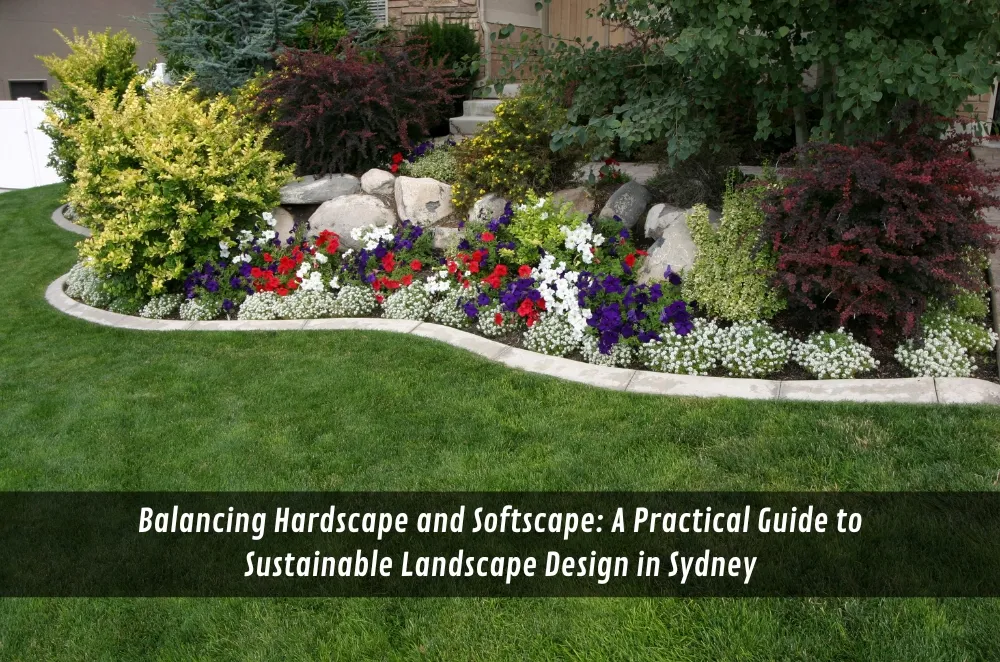
Start with edges and movement. Neat garden lines, tidy paths, and clear sightlines make a place feel looked-after. Add texture in layers—coarse mulch, structural shrubs, then seasonal colour—to avoid the “new-but-bare” look. We also rate lighting as a quiet multiplier: a couple of warm, low-glare fittings can turn a pathway into a welcome. Keep water management at the forefront; nothing spoils a weekend like puddles underfoot or beds eroding after a storm. Materials matter too. Choose pavers that don’t fry feet in summer and timber that won’t warp in the first hot week. As you prioritise, lean on wise landscaping choices that reduce maintenance while lifting presentation—simple, durable moves that keep paying off through summer heat and surprise downpours.
• Durable mulch cuts down on watering
• Warm path lighting boosts safety after dark
• Low hedges frame entries without blocking views
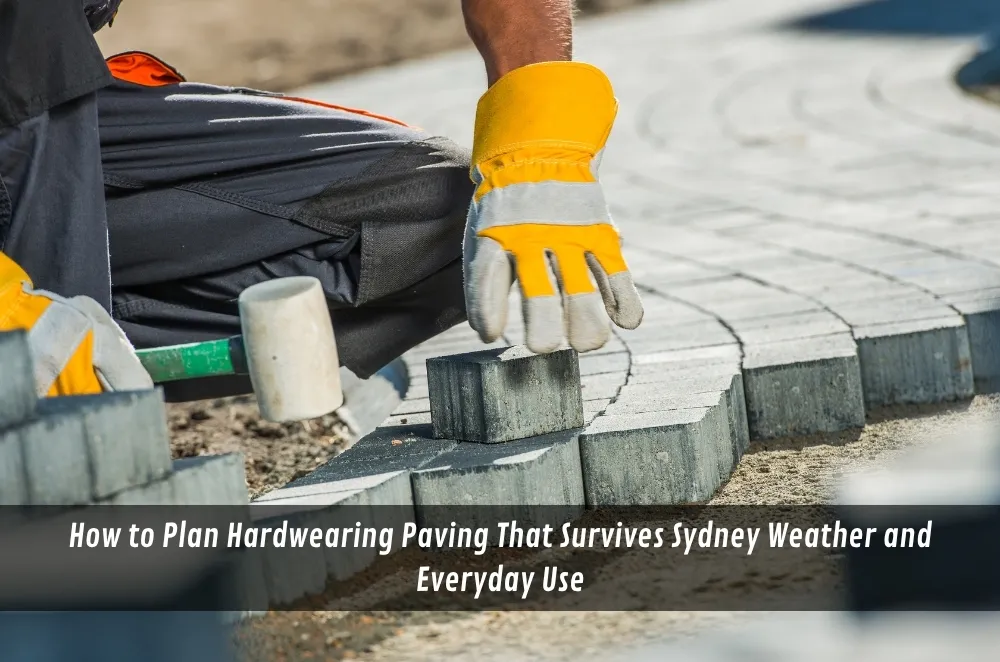
• Permeable paving reduces run-off and glare
How do we balance cost and longevity?
Spend where performance compounds—drainage, access, and irrigation—then scale design features around those anchors.
Sequence is everything. Sort sub-surface drainage, levels, and pathway structure first; those bones let you phase planting and features without rework. If a site bakes, prioritise shade and soil improvement over ornaments. Use region-appropriate plants that won’t sulk after a dry week, and hardware that’s easy to service. We prefer materials with proven local runs on the board over trend-led imports. Drip systems on timers, hardy groundcovers to smother weeds, and generous mulch reduce both bills and headaches, keeping gardens looking freshly done long after the crew has packed up.
Which design moves add real livability?
Design for how you’ll actually use the space—moving, lounging, eating—then shape light, shade, and privacy around that.
Pin down the daily moments: a morning coffee nook, a kid-friendly play strip, a quick route to the bins that doesn’t churn mud. Use planting as soft architecture—hedges for gentle screening, small trees for dappled shade, climbers to relax hard fences. Seating doesn’t need to be elaborate; a simple timber bench near herbs often gets more use than a distant pavilion. Keep maintenance realistic with irrigation you’ll actually use and plants that hold form without constant clipping.
• Small trees create cool microclimates
• Benches near kitchens lift herb use
• Climbers soften fences fast
• Simple drip lines cut labour
Conclusion: Good landscaping is fewer makeovers, more systems thinking. Fix the water levels and movement; then layer materials and plantings that can withstand a Sydney summer without throwing tantrums. Make choices that age well—shaded seating, honest textures, plants that earn their keep—so the yard keeps inviting you out. And if you’re weighing the dollars, remember the resale upside—increase home value with landscaping.



















Sign in to leave a comment.