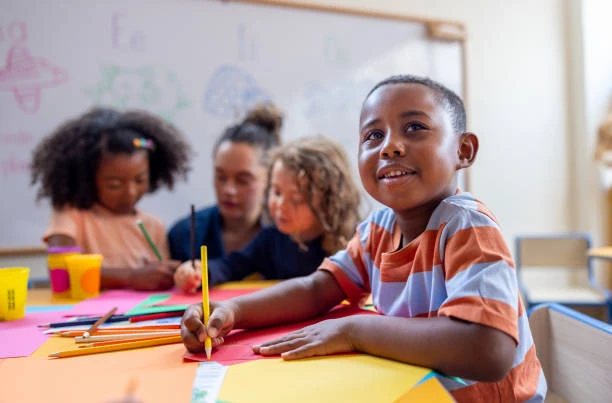

As a daycare teacher who has guided hundreds of children from tiny infants into confident preschoolers, I know preparation starts long before the backpack goes on a hook. Preparing a child for preschool is about building routines, social skills, and emotional safety — and helping families feel equipped and calm. These are practical, stage-by-stage tips I use daily with real families in my care.
Newborns to Three Months Foundations of Security
Start with emotional safety. Infants learn best when their world is predictable and responsive.
- Routine rhythm: Gentle, consistent feeding and sleep cues create predictable days. I tell new parents that a calm rhythm is the earliest form of school readiness — it helps babies regulate and parents tune in.
- Warm social exposure: Hold, sing, and narrate even small moments. Babies soak up tone and face cues; these tiny interactions build the early social brain.
- Caregiver teamwork: Share notes about sleep and feedings with any caregiver to create continuity before formal preschool transition.
Four Months to One Year Encouraging Curiosity and Trust
This age loves exploration and simple interactions that teach cause and effect.
- Daily supervised floor play: Offer toys that invite reaching, banging, and stacking. I rotate a few favorites weekly so infants return to familiar wins while discovering new skills.
- Name and narrate: Say names of people and objects often; hearing consistent words builds vocabulary faster than any flashcard.
- Short, gentle separations: Practice brief handoffs with a trusted person to build confidence in small departures, scaled to the child’s temperament.
Toddlers Eighteen Months to Three Years Building Independence
Toddlers are perfect practice for preschool: they need autonomy, limits, and lots of language.
- Choice-based routines: Offer two acceptable options during transitions to reduce battles and build decision skills. I often say, “Would you like the blue cup or the red cup?” instead of yes/no commands.
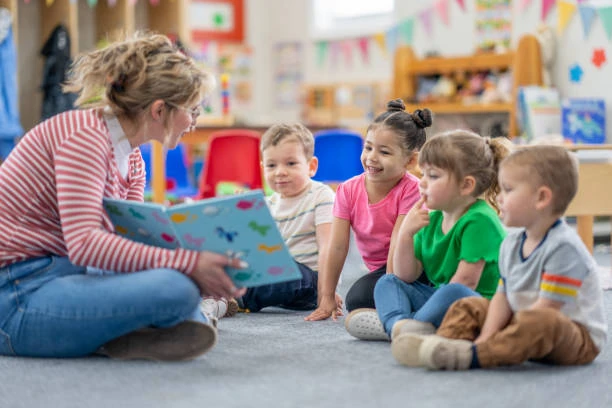
- Practice group skills at home: Playdates, library storytimes, or short group classes teach waiting, sharing, and turn-taking. Start with ten-minute bursts and increase gradually.
- Emotion coaching: Label feelings and offer simple tools (“You’re sad; let’s get a hug”) so children enter preschool with vocabulary for frustration.
Preschool Age Three to Five Years Social and Cognitive Ready
This is the crunch time for school-skills: listening, following short routines, and social problem solving.
- Morning and circle practice: Do a short “circle” at home with a welcome song, calendar, or show-and-tell item to mirror classroom expectations.
- Simple responsibilities: Teach one small job like putting shoes on or carrying a nap mat; independence builds confidence quickly.
- Role-play conflict: Practice phrases for sharing and solving disputes—“I don’t like that, can I have a turn?”—so children arrive with language ready for negotiation.
School-Age Readiness Five Years and Up Routine and Resilience
Older children should practice sustained attention, following multi-step tasks, and team cooperation.
- Homework and wind-down slots: Create predictable times for quiet tasks and reading to strengthen focus.
- Rotate chores and teamwork: Weekly duties and cooperative games teach responsibility and collaboration.
- Model calm transitions: Show children how to prepare for change — a quick checklist before leaving for school reduces morning stress.
Practical Tips for Families
- Visit the classroom: If possible, tour the preschool with your child so the environment becomes familiar.
- Keep goodbyes brief: Long, elaborate farewells often make transitions harder; choose a consistent, loving routine.
- Communicate with teachers: Share routines, sleep needs, and behavioral cues so home and preschool speak the same language.
- Celebrate small wins: First shared toy, a morning without tears, or a new self-help skill all matter.
I sign every weekly parent note with one small story of that child’s progress. Those tiny narratives—first independent snack, a new friend found, a brave slide—remind families that readiness is built from countless ordinary moments. Prepare the heart first, then skills follow, and preschool becomes a place where curiosity blooms.




























Sign in to leave a comment.