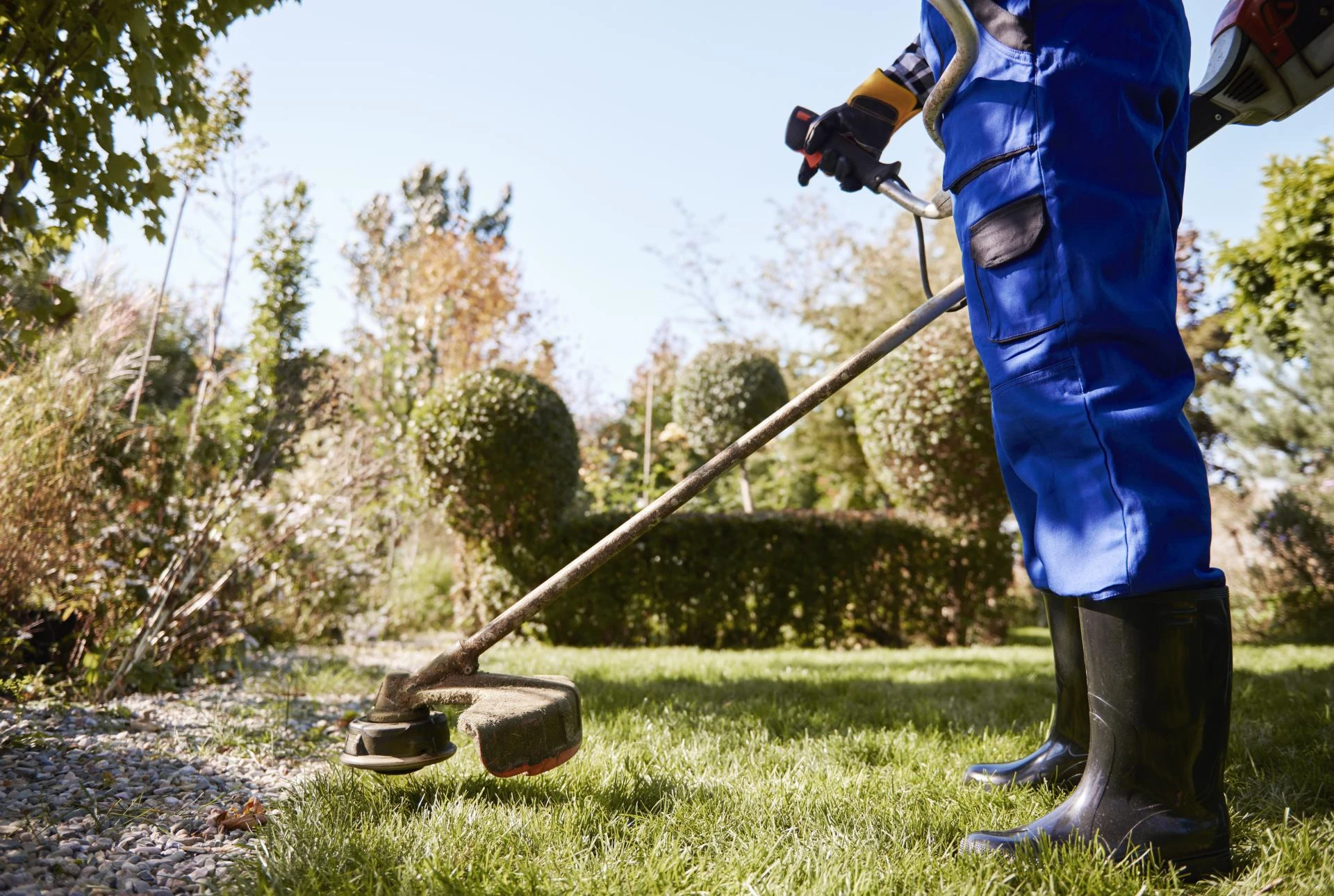

As the vibrant greens of summer begin to fade into the cool tones of fall, it's time to start thinking about how to prepare your lawn for the coming winter. Proper lawn care during this transitional season can make a big difference in the health and appearance of your grass when spring rolls around again.
If you're looking for professional help with lawn mowing in Dartmouth, or just need a few tips for your seasonal lawn care routine, this guide will help you take the right steps to protect your turf through the cold months ahead.
Why Fall Lawn Care Matters
Fall is a critical time for lawn care because your grass is storing energy to survive the winter and thrive in spring. Neglecting lawn maintenance now can lead to issues like:
- Thatch buildup
- Snow mold
- Pest infestations
- Weak root systems
By giving your lawn some attention before the first frost, you set it up for a faster, greener recovery come springtime.
1. Adjust Your Mowing Height
One of the most important fall tasks is adjusting your mowing height. Grass that's too long can get matted under snow, leading to fungal diseases. On the other hand, cutting it too short can stress the lawn and expose roots to the cold.
Tip:
Gradually reduce your mowing height as fall progresses. The final mow of the season should leave your grass about 2 to 2.5 inches tall. This height helps prevent mold and disease while still offering some insulation to the soil.
At APA Lawn Care, we offer expert lawn mowing in Dartmouth with proper cutting heights that protect your lawn through every season.
2. Keep Mowing Until the Grass Stops Growing
Many homeowners make the mistake of storing their mowers away too early. Cool-season grasses, like those commonly found in Dartmouth, continue to grow into late fall.
When to stop mowing:
You should continue mowing your lawn until daytime temperatures consistently stay below 10°C (50°F), or until you notice that growth has essentially stopped.
Staying consistent with your mowing schedule during the fall helps avoid excessive thatch and promotes stronger roots.
3. Rake Up Leaves Promptly
A layer of fallen leaves might look picturesque, but it can smother your grass and invite pests and mold. Wet, compacted leaves block sunlight and trap moisture, creating a breeding ground for fungi like snow mold.
How to manage leaves:
- Rake leaves regularly or use a mulching mower.
- Consider composting your leaves for eco-friendly disposal.
- Don’t leave heavy piles of leaves on your lawn overnight.
4. Fertilize Before the First Frost
Fall fertilization is a great way to feed your lawn before it goes dormant. A slow-release, nitrogen-rich fertilizer helps strengthen roots and gives your grass the nutrients it needs to endure winter.
Timing:
Apply fertilizer in late October or early November, just before the ground freezes.
This one-time application will promote greener, healthier growth when spring arrives.
5. Aerate for Better Soil Health
Over time, lawn soil becomes compacted, especially in high-traffic areas. Aeration is the process of removing small plugs of soil to allow air, water, and nutrients to reach the roots more effectively.
Benefits of fall aeration:
- Reduces soil compaction
- Improves water absorption
- Boosts root development
If you're unsure about how to aerate or prefer to leave it to professionals, APA Lawn Care can handle it along with expert lawn mowing in Dartmouth and other seasonal services.
6. Overseed Thin or Bare Spots
Fall is an ideal time to overseed your lawn. Cooler temperatures and more frequent rain create the perfect conditions for new grass seed to germinate and establish strong roots.
Steps for overseeding:
- Mow the lawn short before seeding.
- Use a rake or aerator to loosen the soil.
- Spread a high-quality grass seed blend.
- Water consistently for the first few weeks.
Overseeding in the fall helps fill in bare patches, making your lawn thicker and more resilient to weeds in the spring.
7. Winterize Your Lawn Equipment
Once your final mow is complete, don't forget to take care of your equipment. A little maintenance now can extend the life of your mower and tools.
Quick mower winterization tips:
- Empty the gas tank or add fuel stabilizer.
- Clean the mower deck to prevent rust.
- Sharpen or replace the mower blades.
- Store equipment in a dry, sheltered place.
Trust APA Lawn Care for Lawn Mowing in Dartmouth
Taking the time to properly prepare your lawn for winter can save you a lot of headaches—and brown patches—when spring returns. If you're not sure where to start or simply prefer professional care, APA Lawn Care is here to help.
We provide expert lawn mowing in Dartmouth, along with seasonal services like aeration, overseeding, and fall clean-up. Our experienced team knows exactly how to protect your grass from the harsh Atlantic Canadian winter so it comes back stronger than ever.
























Sign in to leave a comment.