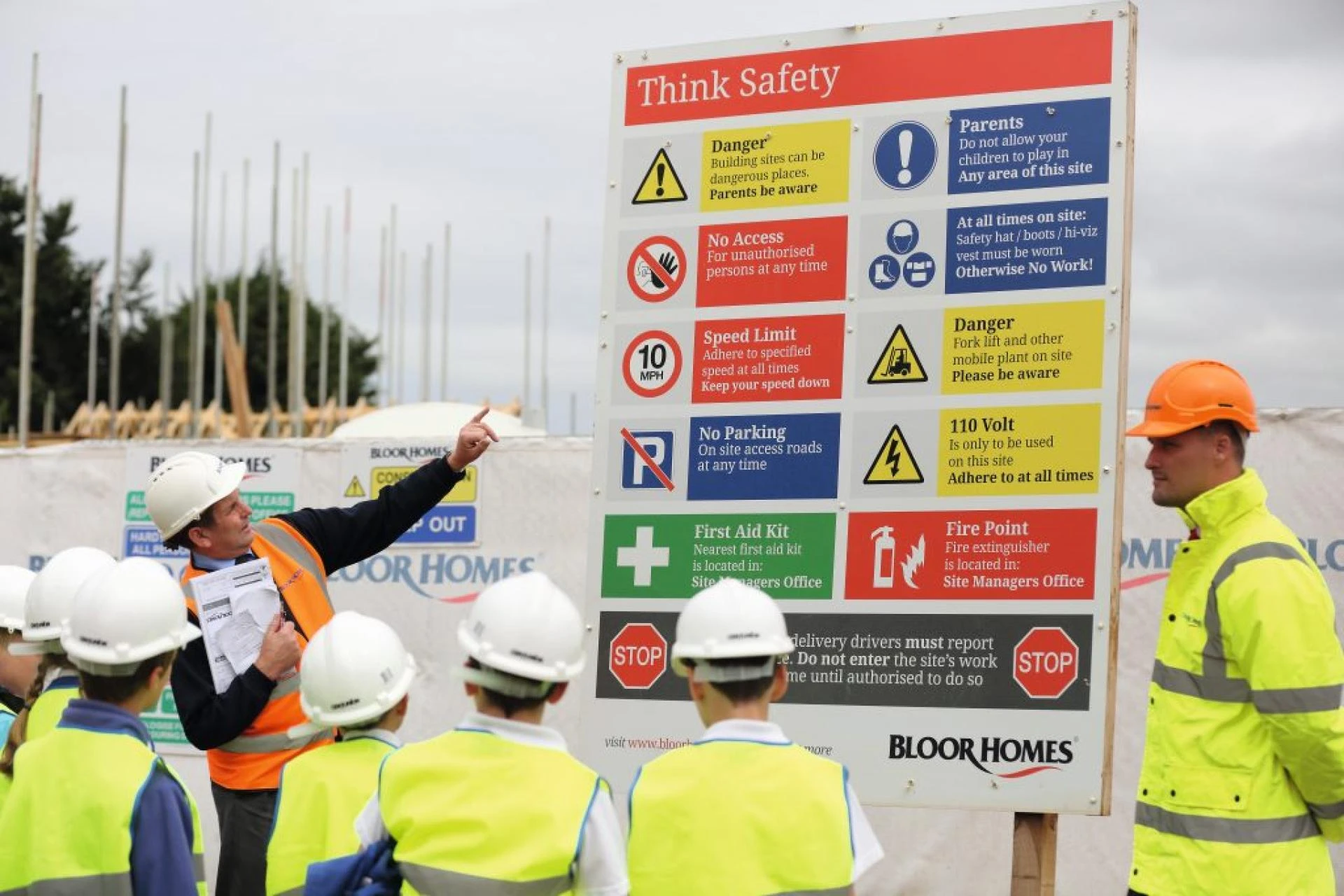

Burns and scalds are significant hazards in various workplaces, particularly those where hot liquids are handled regularly. As part of the IOSH Managing Safely Course, it's imperative to address preventive measures to mitigate these risks effectively. This article delves into practical strategies and precautions to prevent burns and scalds from hot liquids, emphasizing their relevance within the framework of the IOSH Course.
Understanding the Risks
1. Recognizing Potential Hazards
Hot liquids pose a serious threat due to their ability to cause severe burns and scalds upon contact with the skin. Common workplace scenarios include handling hot beverages, cooking activities, and industrial processes involving hot liquids. Recognizing these hazards is the first step in prevention.
2. Impact on Health and Safety
Burns and scalds not only cause physical pain and trauma but can also lead to long-term health complications and even fatalities. Additionally, workplace incidents involving burns can result in lost productivity, increased insurance costs, and legal liabilities.
Implementation of Preventive Measures
1. Engineering Controls
Employ engineering solutions to minimize the risk of burns and scalds. This includes installing appropriate temperature controls, using insulated containers for hot liquids, and implementing automated systems to handle hot substances whenever possible.
2. Administrative Controls
Develop and enforce stringent safety protocols and procedures for handling hot liquids. This may include providing comprehensive training to employees, establishing clear guidelines for safe handling practices, and implementing regular safety audits to ensure compliance.
3. Personal Protective Equipment (PPE)
Incorporate the use of personal protective equipment as a crucial component of burn prevention. This may include heat-resistant gloves, aprons, and face shields to protect workers from direct contact with hot liquids.
Creating a Culture of Safety
1. Leadership Commitment
Foster a culture of safety from the top down by demonstrating leadership commitment to burn prevention. Management should prioritize safety initiatives, allocate resources for training and equipment, and actively engage with employees to address concerns.
2. Employee Involvement
Involve employees in the development and implementation of safety measures related to hot liquids. Encourage open communication channels where workers can freely raise safety issues and contribute to finding solutions collaboratively.
3. Continuous Improvement
Promote a culture of continuous improvement by regularly reviewing and updating safety protocols in response to changing workplace dynamics or emerging risks. Encourage feedback from employees and conduct periodic assessments to identify areas for enhancement.
Training and Education
1. Integration with IOSH Managing Safely Course
The IOSH Managing Safely Course provides a comprehensive framework for understanding workplace safety, making it an ideal platform to address burn and scald prevention. By integrating specific modules on hot liquid safety, participants gain valuable insights into identifying hazards and implementing preventive measures effectively.
2. Emphasizing Risk Awareness
Educate employees about the risks associated with hot liquids and the importance of vigilance in their handling. Encourage active participation in safety initiatives and empower workers to report any concerns or incidents promptly.
Conclusion
Preventing burns and scalds from hot liquids is a critical aspect of workplace safety, and it is integral to the IOSH Course. By implementing a combination of engineering controls, administrative measures, and training initiatives, organizations can effectively mitigate these risks and create a safer working environment for all. Through leadership commitment, employee involvement, and a culture of continuous improvement, the goal of preventing burns and scalds can be achieved, ensuring the health and well-being of workers remains a top priority.



























Sign in to leave a comment.