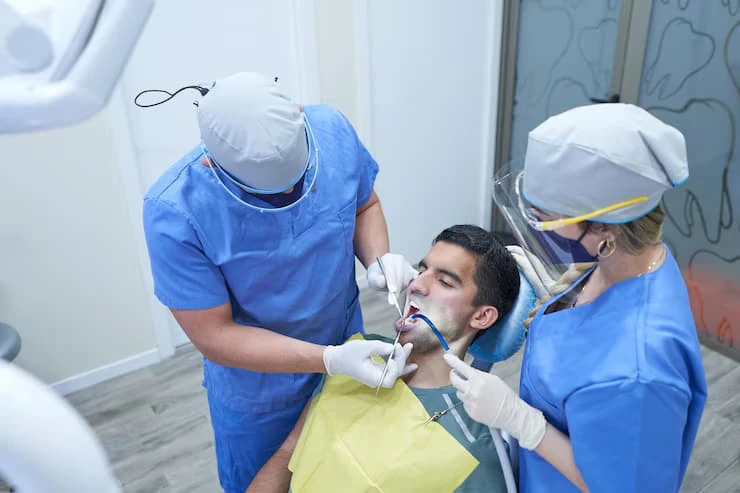

Dental emergencies can be both painful and distressing, often occurring unexpectedly and requiring immediate attention. In such situations, an emergency dental surgeon plays a crucial role in alleviating pain, addressing urgent dental issues, and restoring oral health. Understanding the various procedures performed by these specialized professionals can not only help patients make informed decisions but also emphasize the importance of timely dental care.
What is an Emergency Dental Surgeon?
An emergency dental surgeon is a qualified dental professional who specializes in providing urgent care for dental problems. These surgeons are trained to handle a wide range of dental emergencies, from severe toothaches and infections to traumatic injuries resulting from accidents. Their primary goal is to relieve pain, prevent further complications, and restore functionality to the patient's oral health.
Emergency dental surgeons typically work in dental clinics that offer extended hours, urgent care facilities, or hospital emergency rooms. They are equipped with the necessary tools and expertise to diagnose and treat a variety of dental conditions promptly.
Common Procedures Performed by Emergency Dental Surgeons
Emergency dental surgeons perform a range of procedures to address urgent dental issues. Below are some of the most common procedures they undertake:
1. Tooth Extractions
Tooth extractions are one of the most frequently performed procedures by emergency dental surgeons. This procedure may be necessary for several reasons, including:
- Severe Tooth Decay: When a tooth is extensively damaged by decay and cannot be restored, extraction may be the only option.
- Impacted Wisdom Teeth: Wisdom teeth often become impacted, leading to pain, swelling, and infection. Emergency dental surgeons can safely extract these teeth to relieve discomfort.
- Dental Trauma: In cases of dental injuries, such as fractures or dislocations, extraction may be necessary to preserve the surrounding teeth and tissues.
During a tooth extraction, the emergency dental surgeon will administer local anesthesia to ensure the patient is comfortable. The procedure involves carefully removing the tooth from its socket while minimizing trauma to the surrounding gum tissue.
2. Root Canals
A root canal is a procedure performed to treat infected or inflamed dental pulp. If a patient experiences severe tooth pain, swelling, or sensitivity to hot and cold, it may signal the need for a root canal. Emergency dental surgeons are trained to perform this procedure effectively.
The root canal process involves the following steps:
- Diagnosis: The dentist will use X-rays to confirm the diagnosis and assess the extent of the infection.
- Anesthesia: Local anesthesia is administered to numb the affected tooth and surrounding area.
- Accessing the Pulp: The surgeon creates an opening in the crown of the tooth to access the pulp chamber.
- Cleaning and Shaping: The infected pulp is removed, and the root canals are cleaned and shaped to prepare for filling.
- Filling the Canals: After cleaning, the canals are filled with a biocompatible material to seal them and prevent future infection.
- Restoration: A crown or filling is placed on the tooth to restore its function.
Root canals are essential for saving teeth that would otherwise need to be extracted, allowing patients to retain their natural teeth and avoid further complications.
3. Treatment of Oral Infections
Oral infections, such as abscesses and periodontal infections, can cause significant pain and discomfort. Emergency dental surgeons are equipped to diagnose and treat these infections promptly.
- Abscess Drainage: In cases where a dental abscess has formed, the surgeon may need to drain the pus to alleviate pressure and pain. This procedure often involves making an incision in the gum tissue to allow the infection to drain out.
- Antibiotic Therapy: In addition to drainage, emergency dental surgeons may prescribe antibiotics to help eliminate the infection and prevent its recurrence.
- Periodontal Treatment: For patients with periodontal infections, the surgeon may perform scaling and root planing to remove plaque and tartar buildup from below the gum line.
Timely treatment of oral infections is crucial to prevent the spread of bacteria to other areas of the body, which can lead to more severe health complications.
4. Treatment of Dental Trauma
Dental trauma can occur due to accidents, falls, or sports injuries, resulting in broken, chipped, or knocked-out teeth. Emergency dental surgeons are trained to manage such injuries effectively.
- Re-implantation of Knocked-Out Teeth: If a tooth has been completely knocked out, the surgeon may be able to re-implant it if the patient seeks care immediately. The tooth should be handled by the crown and stored in a container of milk or saline until professional help is available.
- Repairing Fractured Teeth: For teeth that are chipped or fractured, emergency dental surgeons can perform bonding, crowns, or veneers to restore the tooth's appearance and function.
- Soft Tissue Injuries: Traumatic injuries may also involve damage to the gums, lips, or tongue. Emergency dental surgeons can provide treatment for these injuries, including suturing wounds and managing pain.
Proper management of dental trauma is essential to preserve the integrity of the teeth and surrounding structures, as well as to prevent ongoing complications.
5. Management of Severe Toothaches
Severe toothaches are a common reason for emergency dental visits. The pain may be caused by various factors, including tooth decay, infections, or gum disease. Emergency dental surgeons are skilled in diagnosing the underlying cause of tooth pain and providing appropriate treatment.
- Diagnosis: The surgeon will conduct a thorough examination, including X-rays if needed, to identify the source of the pain.
- Pain Relief: Immediate pain relief is often provided through medications or treatments targeting the source of the discomfort.
- Long-Term Solutions: Depending on the diagnosis, treatment options may include fillings, root canals, or periodontal therapy to address the underlying issue.
By effectively managing severe toothaches, emergency dental surgeons can help patients regain comfort and restore their oral health.
6. Preventive Care and Education
While emergency dental surgeons primarily address urgent issues, they also play a role in preventive care and education. After treating patients, they often provide guidance on maintaining good oral hygiene and preventing future dental emergencies. This may include:
- Oral Hygiene Recommendations: Patients receive personalized tips on brushing, flossing, and using mouthwash effectively.
- Dietary Advice: Surgeons may discuss dietary choices that promote oral health and minimize the risk of decay and gum disease.
- Regular Check-ups: Emphasizing the importance of routine dental visits for early detection and treatment of potential issues can help patients avoid emergencies in the future.
By educating patients about preventive measures, emergency dental surgeons contribute to their long-term oral health and well-being.
Conclusion
Emergency dental surgeons play a vital role in addressing urgent dental issues and providing lifesaving care during dental emergencies. From tooth extractions and root canals to the treatment of infections and dental trauma, their specialized skills and knowledge ensure that patients receive timely and effective treatment. By understanding the procedures performed by emergency dental surgeons, individuals can make informed decisions about their dental health and seek help when necessary.
For those in need of immediate dental care, don’t hesitate to reach out to Laguna Niguel Smiles Dentistry. Your oral health is important—take the first step toward relief and restoration today!
































Sign in to leave a comment.