

[caption class="snax-figure" align="aligncenter" width="1140"][/caption]
What is exactly a brick?
Brick is a replica of a block that is used for building walls, pavements and other elements in masonry construction. The term brick precisely means a block made of dry clay. Bricks come in a wide variety of types, materials and sizes, depending on the region and time period, and are mass-produced.
To be specific “Bricks are eco-friendly and sustainable building material that is generally available in rectangular shape blocks” There are generally two types of bricks- Fired bricks also known as artificial stones are one of the most persistent and strongest building materials that have been used since about 4000 BC. Another type of bricks is air-dried bricks which are also called mudbricks have a longer history than fired bricks and contain additional components of mechanical binders such as straw. [caption class="snax-figure" align="aligncenter" width="1140"][/caption] Bricks are collectively placed in courses and different patterns called bonds and this course is collectively known as brickwork and can be placed in different types of mortar to hold the bricks together so as to create a durable structure. Brick fabricate a long-standing popular construction material that retains heat, resists corrosion, and is fire resistant. Because each unit is small, it is typically four inches wide and twice as long, making bricks an ideal material for structures with limited space and curved designs. In addition, brick buildings generally last longer with minimal maintenance. An Ideal Site For Manufacturing Bricks- For the manufacturing of bricks, the site should be selected based on some important considerations such as: The ground of the site should be a flat surface. The site must be connected to a connecting road for easy transportation of materials, etc. Good quality brick soil should be available. The site must provide workers with all the facilities.
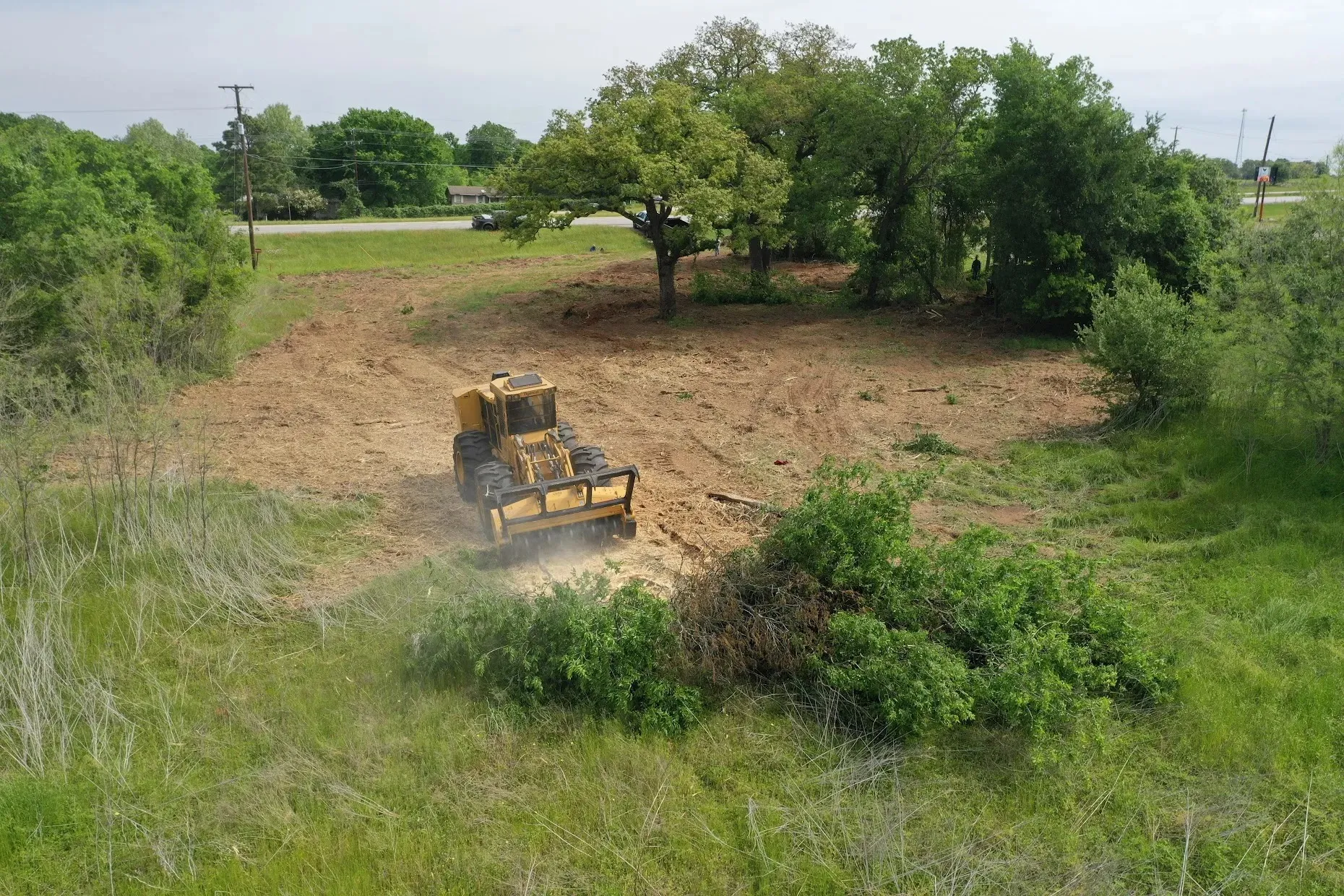
One great example of such a site is Loxwood Clay Pits land. Historically, this has been the site of small-scale brick-making activities for many years through the 1800s and early 1900s. The presence of a larger operation at Rudgwick significantly indicates the suitability of the clay resource for brick making
The manufacturing process of bricks- The building block of the brick manufacturing process from clay includes four principle steps clay preparation, molding, and brick drying and burning. Preparation of clay- Preparation of clay for brick making is done in 6 steps: Clay Removal or Unsoiling- Pure clay is required to make bricks. Since the top soil may contain impurities, simply discard the clay with a depth of about 200 mm in the topsoil. Digging- After removing the top layer, dig the clay out of the ground and spread it on a flat surface. Cleaning- At this stage, stones, plant substances, etc. are removed from the clay. In the presence of large amounts of particulate matter, the clay is washed and screened. The clay mass is pulverized with a soil crushing roller. Weathering- The washed clay is exposed to the air to soften it. The period of weathering is 3-4 weeks or a complete rainy season. For large projects, clay is generally dugout right before the rainy season. Binding- If you want to add some material to the blended clay, loosen the clay at this stage and spread the material. Then pick up a small amount of clay and adjust it vertically. This process is called a clay blend. Tempering- At this stage, water is added to the clay and squeezed. Pressing is done by cattle or sometimes by human feet for smaller projects, and pugmills are used as grinders in large projects. As a result, clay has acquired plasticity and is now suitable for molding. 2. Molding- During the molding process, clay is molded into a brick shape, which is generally rectangular. In old times the molds that were used to mold the bricks were made from wood, and manufacturers used sand to prevent the bricks from sticking to the mold. But in today’s time, there are many other options available for this process. Bricks are molded in different ways, depending on the quality and quantity of the final product. The most common methods of molding or molding bricks are hand molding and machine molding. The brick molding method typically depends upon the project scale. Hand molding for small scale projects- Hand molding again can be done by 2 methods i.e. either by ground molding or table molding Machine molding for large-scale projects- There are two types of machine used for brick molding i.e. Plastic clay machine and Dry clay machine. 3. Drying of Raw bricks- Drying is one of the crucial steps in the brick manufacturing process. The reason why the bricks are first dried before taking them for burning is that clay bricks contain moisture which may cause cracks in the brick while burning so as to avoid these cracks it is important to dry the raw bricks. Drying the bricks ensures that unrequired moisture is removed before they are exposed to the burning process. Drying also increases the overall strength of the raw bricks, allowing them to be stacked on height without damaging the kiln. The drying process is usually done by simply placing the bricks in a shade with open sides. This ensures free air circulation and protects against extreme weather conditions. The brick drying process takes 7 to 14 days. 4. Burning or Firing of bricks- In the firing process, dried bricks are burned to a certain temperature with either a clamp small or a kiln large. At this stage, the brick becomes harder and stronger, which is an important process in brick making. The temperature required for burning these raw bricks is about 1100oC. If they burnt beyond this limit they will become brittle and breakable. If they burnt under this limit, they will not gain full strength and there is a chance to absorb moisture from the atmosphere. Hence burning should be done properly to meet the requirements of good brick. All the necessary setup and precisely controlled temperature are necessary for the brick burning. The final product that is formed after the burning process is what we call a brick. And the whole method from clay preparation to firing of bricks is called the brick manufacturing process.
Loxwood Clay Pits Limited is a well-appreciated Claypit excavation company in Loxwood which is known for its remarkable ministration. Loxwood clay pits are well located for supplying clay to several relatively local brickworks as well as brick-making manufacturers all over Uk and Europe. To know more visit our website...https://loxwoodclaypits.co.uk/























Sign in to leave a comment.