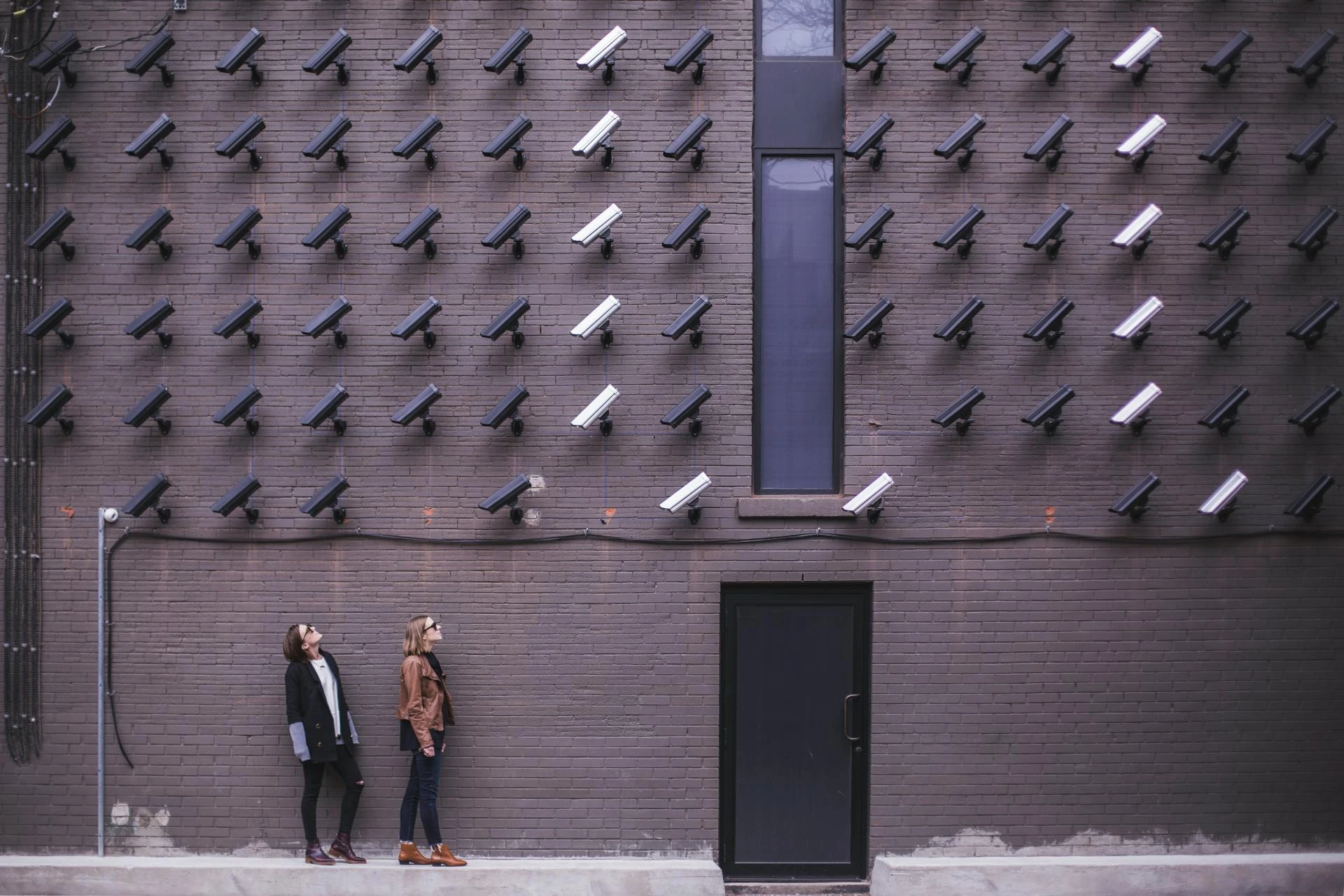
Protecting your family and property requires a properly configured Home Security Camera System. This expert guide reveals professional techniques for how to install security cameras that deliver maximum security coverage and long-term reliability.
Essential Planning Before Installation
Smart house security camera installation begins with comprehensive site analysis. Document your property's layout, identifying high-risk areas like secluded entrances, valuable asset locations, and vulnerable access points. Consider seasonal changes affecting camera visibility, such as growing foliage or snow accumulation. Professional installers recommend mapping power sources and internet connectivity before purchasing equipment.
Selecting Premium Equipment
Investment in quality components ensures your home camera system performs reliably for years. Research camera specifications including resolution capabilities, low-light performance, and weatherproofing ratings. Professional-grade systems offer advanced features like facial recognition, license plate capture, and intelligent motion tracking. Choose best security cameras with proven track records and comprehensive warranty coverage.
Step 1: Advanced Mounting Techniques
Professional installers use specialized mounting methods for superior stability and aesthetics. Install cameras under eaves or overhangs for weather protection while maintaining clear sightlines. Use anti-vibration mounts in windy locations to prevent image shake. For brick or concrete surfaces, use hammer drills with carbide-tipped bits. Stainless steel hardware prevents corrosion in coastal environments where outdoor security camera installations face harsh conditions.
Step 2: Professional-Grade Cable Management
Proper cable routing distinguishes amateur from professional installations. Run cables through interior walls whenever possible, using existing utility chases or creating new pathways. Install cable conduits for exterior runs, protecting wires from weather and tampering. Use plenum-rated cables in air handling spaces to meet fire codes. Professional security camera installations include proper grounding for electrical safety and equipment protection.
Step 3: Network Infrastructure Optimization
Modern Home Security Camera System performance depends heavily on network capability. Calculate bandwidth requirements based on camera quantity, resolution settings, and recording schedules. Install dedicated network switches for camera systems to prevent household internet slowdowns. Configure Quality of Service (QoS) settings prioritizing security traffic. Consider Power over Ethernet (PoE) switches eliminating separate power supplies for each camera.
Step 4: Advanced Configuration Settings
Professional installers optimize camera settings beyond basic operation. Configure frame rates balancing storage requirements with motion capture quality. Set up privacy masking for neighbor properties or sensitive areas. Implement intelligent video analytics reducing false alarms from animals, vehicles, or weather conditions. A comprehensive Home Security Camera System includes redundant recording methods and automated backup systems.
Step 5: Integration with Smart Home Systems
Modern installations integrate security cameras with existing home automation platforms. Connect cameras to smart hubs enabling voice control and automated responses. Configure lighting systems activating when cameras detect motion. Set up smartphone notifications providing real-time security updates. Professional installations often include integration with alarm systems and emergency response services.
Step 6: Professional Testing and Validation
Comprehensive system testing ensures reliable operation under various conditions. Verify camera coverage eliminating blind spots through systematic walkthrough testing. Test night vision performance during actual darkness conditions. Validate motion detection accuracy adjusting sensitivity settings appropriately. Professional installers document system performance providing baseline measurements for future troubleshooting.
Maintenance and Long-Term Performance
Establish regular maintenance schedules keeping your system operating optimally. Clean camera lenses quarterly removing dirt, spider webs, and weather residue. Update firmware promptly addressing security vulnerabilities and performance improvements. The right outdoor security camera requires seasonal inspections ensuring mounting hardware remains secure and weatherproof seals remain intact.
Professional Results
Following professional installation techniques ensures your how to install security cameras project delivers reliable, long-term security coverage. Quality equipment combined with proper installation methods maximizes your home camera system investment while providing peace of mind for years to come.



















Sign in to leave a comment.