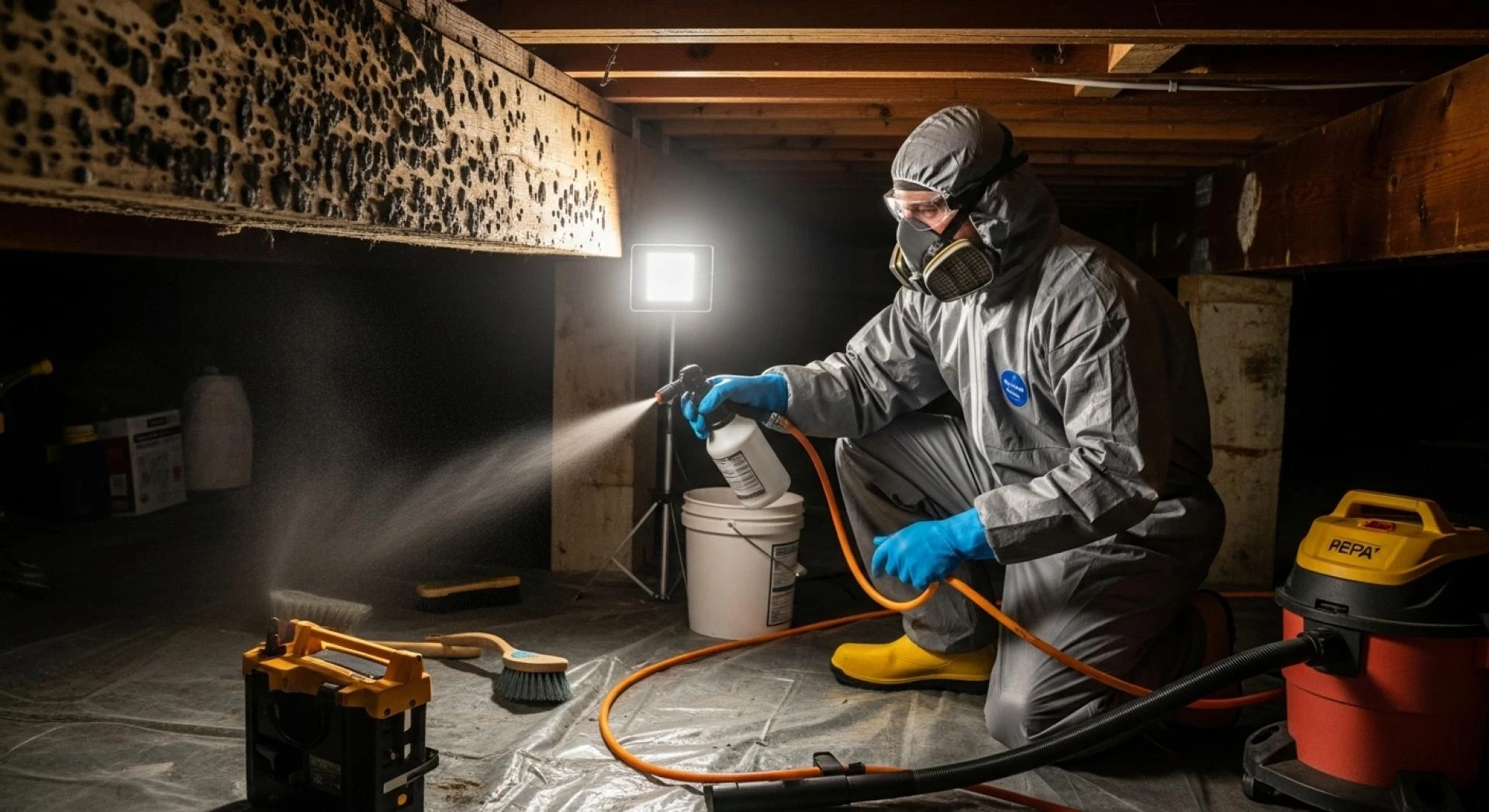

Professional inspections ensure Insulation performs as intended by identifying gaps, compression, moisture issues, and aging materials that reduce effectiveness. Even well-installed insulation can lose performance over time without visible signs, which leads to comfort problems and higher energy use.
This article explains how structured inspections protect insulation performance and help homeowners make informed decisions. The guidance reflects hands-on experience from Insulation experts who evaluate real-world conditions rather than relying on surface checks.
Why Insulation Inspections Matter More Than Many Expect
Insulation problems often remain hidden behind walls, ceilings, and floors. Visual checks alone rarely show the full picture.
Professional inspections focus on performance, not appearance. They reveal issues that affect comfort, energy use, and building durability.
Performance Gaps Found During Inspections
Many homes show insulation that exists but does not work properly. Common findings include uneven coverage and air leaks.
Market data shows that homes with verified insulation performance report fewer comfort complaints and lower seasonal energy spikes.
Long-Term Impact on Energy and Comfort
When insulation underperforms, heating and cooling systems work harder. This leads to uneven temperatures and higher operating costs.
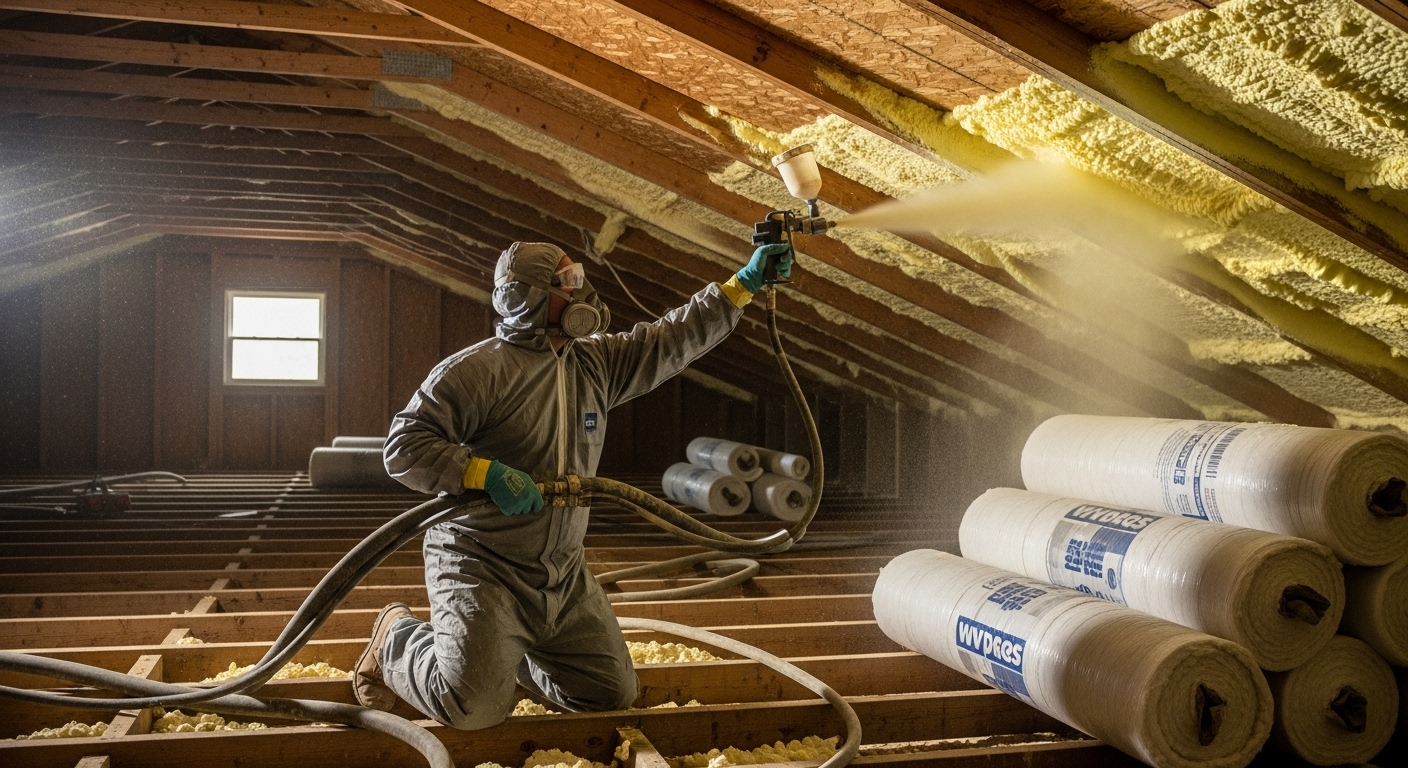
What Professionals Check During an Insulation Inspection
Inspections follow a methodical process. Each step targets a specific risk that affects insulation performance.
Coverage and Thickness Levels
Inspectors confirm insulation depth matches climate needs. Thin or settled insulation often underperforms.
Air Leakage and Sealing Points
Air movement around insulation reduces effectiveness. Inspectors focus on joints, penetrations, and framing transitions.
Moisture and Material Condition
Moisture reduces insulation value and damages surrounding materials. Early detection prevents costly repairs.
Common Inspection Tools and Focus Areas
The table below outlines typical inspection elements and what they reveal.
| Inspection Focus | What It Identifies | Why It Matters |
|---|---|---|
| Attic depth checks | Settling or gaps | Prevents heat loss |
| Wall cavity review | Missing sections | Improves comfort |
| Basement assessment | Moisture exposure | Protects structure |
Areas Most Likely to Fail Over Time
Some areas degrade faster than others. Inspections prioritize these zones first.
Attics and Rooflines
Heat movement stresses attic insulation year-round. Compression and gaps often appear here first.
Basements and Crawl Spaces
Ground moisture and airflow affect insulation condition. Inspections reveal hidden moisture risks.
Wall Transitions and Rim Areas
These narrow spaces allow air movement. Proper inspection identifies leakage paths.
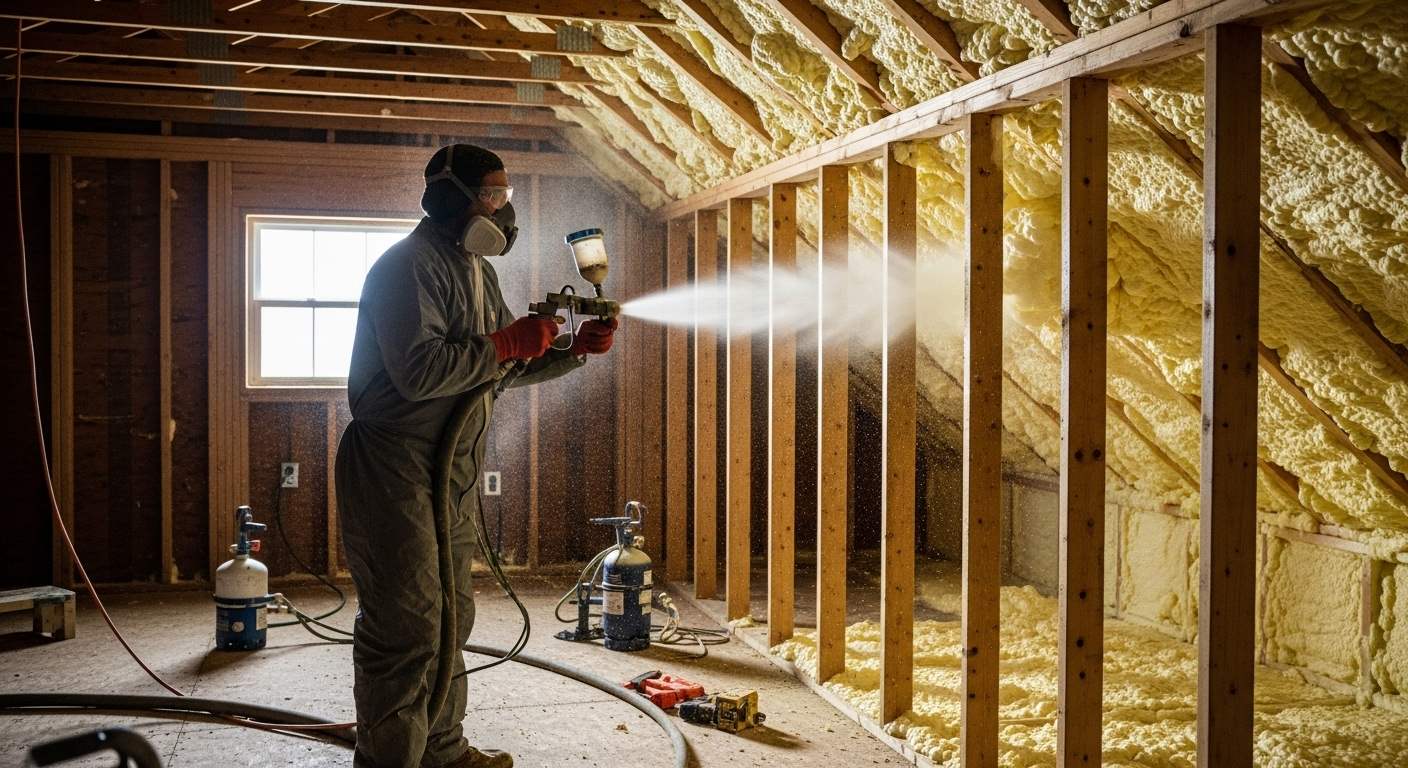
When Inspections Should Be Scheduled
Timing matters when evaluating insulation. Certain events signal the need for a professional review.
After Home Purchase or Renovation
Inspections confirm insulation condition before comfort issues arise. This protects new owners from surprises.
Before Major Energy Upgrades
Inspections help align insulation with system upgrades. Proper sequencing improves results.
During Comfort or Cost Concerns
Uneven temperatures or rising bills often trace back to insulation performance.
Things to Consider Before Making a Decision
Inspection results guide next steps. Understanding the findings helps avoid unnecessary work.
Scope of Recommended Improvements
Some issues require small adjustments. Others point to targeted upgrades rather than full replacement.
Climate and Regional Demands
Cold regions require higher insulation depth and better air control. Mixed climates need balanced moisture management.
Working with Insulation services familiar with local conditions improves accuracy.
Documentation and Reporting Quality
Clear reports help homeowners plan upgrades and track improvements over time.
Practical Inspection Takeaways
- Schedule inspections during seasonal extremes for clearer results.
- Request written summaries with photos when possible.
- Review ventilation alongside insulation findings.
Additional Planning Detail
Local building standards may influence recommended insulation levels. Inspectors factor this into guidance.
Choosing Qualified Inspection Support
Not all inspections offer the same depth. Experience with varied building types improves accuracy.
A knowledgeable Insulation contractor focuses on performance testing and building behavior, not assumptions.
Selkirk Energy Solutions often assists homeowners by evaluating insulation condition and outlining clear improvement paths based on inspection findings.
Questions People Ask About Insulation Inspections
How long does an insulation inspection take?
Most inspections take one to two hours depending on home size.
Do inspections require wall removal?
No. Professionals use access points and non-invasive methods.
Can inspections find hidden air leaks?
Yes. Airflow patterns often reveal unseen gaps.
Are inspections useful in newer homes?
Yes. Installation errors can occur in any build age.
How often should insulation be inspected?
Every five to seven years or after major changes.
Key Points Homeowners Should Understand
Professional inspections ensure insulation performs as intended. They identify hidden issues, support comfort, and guide smart improvements. Regular reviews protect both energy efficiency and building condition.
Helpful Next Steps for Homeowners
Homeowners seeking clarity on insulation performance often start with a professional inspection. Selkirk Energy Solutions provides evaluation support and practical guidance on Insulation performance. Readers can contact them at [email protected] or call (208) 295-9780 to discuss inspection options and planning steps.

























Sign in to leave a comment.