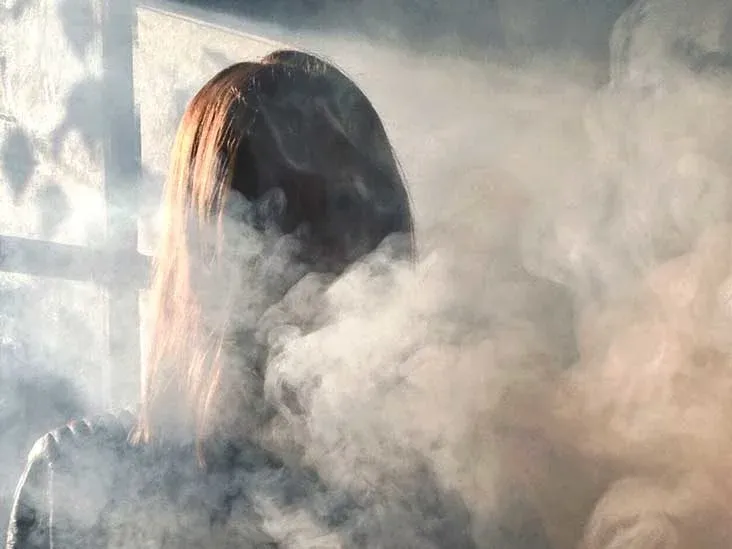

Creating a healthy indoor climate is a top priority for property managers, homeowners, and business leaders alike. One of the most persistent challenges in maintaining high air quality is the presence of secondhand smoke. Engaging in professional environmental tobacco smoke testing is a vital step toward identifying hidden pollutants that can linger long after a cigarette has been extinguished. These assessments provide the data necessary to protect vulnerable populations and ensure that indoor spaces remain fresh, clean, and safe for everyone.
Understanding the Nature of Secondhand and Thirdhand Smoke
Secondhand smoke is a complex mixture of thousands of chemicals, many of which are known to be toxic or carcinogenic. When a person smokes indoors, these particles do not simply vanish; they settle into carpets, curtains, and ventilation systems. This leads to what researchers call third hand smoke—the residual nicotine and other chemicals that remain on surfaces for weeks or even months.
Professional testing focuses on detecting specific markers, such as nicotine or cotinine, in the air and on surfaces. By quantifying these levels, experts can determine the extent of the contamination. This is especially important in multi-unit housing or office buildings where smoke can travel through shared walls, crawl spaces, or HVAC ducts. Understanding the science behind these pollutants is the first step toward effective removal and long-term prevention.
Protecting Public Health in Shared Spaces
The health risks associated with breathing in tobacco byproduct are well-documented. For children, seniors, and individuals with respiratory conditions like asthma, even low levels of exposure can trigger serious health episodes. In a workplace or public setting, the presence of these toxins can lead to decreased productivity and increased sick leave.
By implementing a regular schedule for environmental tobacco smoke testing, organizations demonstrate a proactive commitment to the well-being of their occupants. These tests act as an early warning system, identifying leaks in smoking policies or failures in air filtration systems. When people know that their environment is being monitored for safety, it builds trust and contributes to a more positive, health-conscious atmosphere.
Legal Compliance and Property Value Preservation
In many regions, strict regulations govern smoking in public places and workplaces. Property owners can face significant legal liabilities if they fail to provide a smoke-free environment as promised in lease agreements or employment contracts. Documentation from a certified test serves as essential evidence that a facility is meeting its legal obligations.
Beyond the legal aspect, there is a clear economic incentive to keep a property smoke-free. Tobacco residue can cause permanent staining on walls and ceilings, and the associated odours are notoriously difficult to eliminate. Over time, this can significantly decrease the market value of a real estate asset. Regular monitoring helps catch these issues early, allowing for targeted cleaning and maintenance that prevents long-term damage to the structure and its interior finishes.
How the Testing Process Works
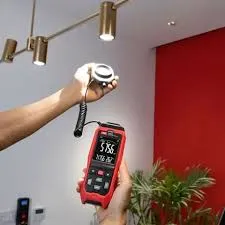
A typical assessment is a non-invasive and highly accurate process. Specialists use air sampling pumps to capture airborne particles over a specific period. They may also take surface wipes from areas where residue is likely to accumulate, such as near air vents or on high shelves.
These samples are then analysed in a laboratory to check for chemical signatures unique to tobacco products. The resulting report provides a clear breakdown of the findings, often comparing the results to established safety guidelines. This humanised approach to data ensures that property owners receive clear, easy-to-understand information rather than a confusing list of chemical formulas. With a professional report in hand, you can make informed decisions about air purification and policy enforcement.
Improving Indoor Air Quality through Targeted Solutions
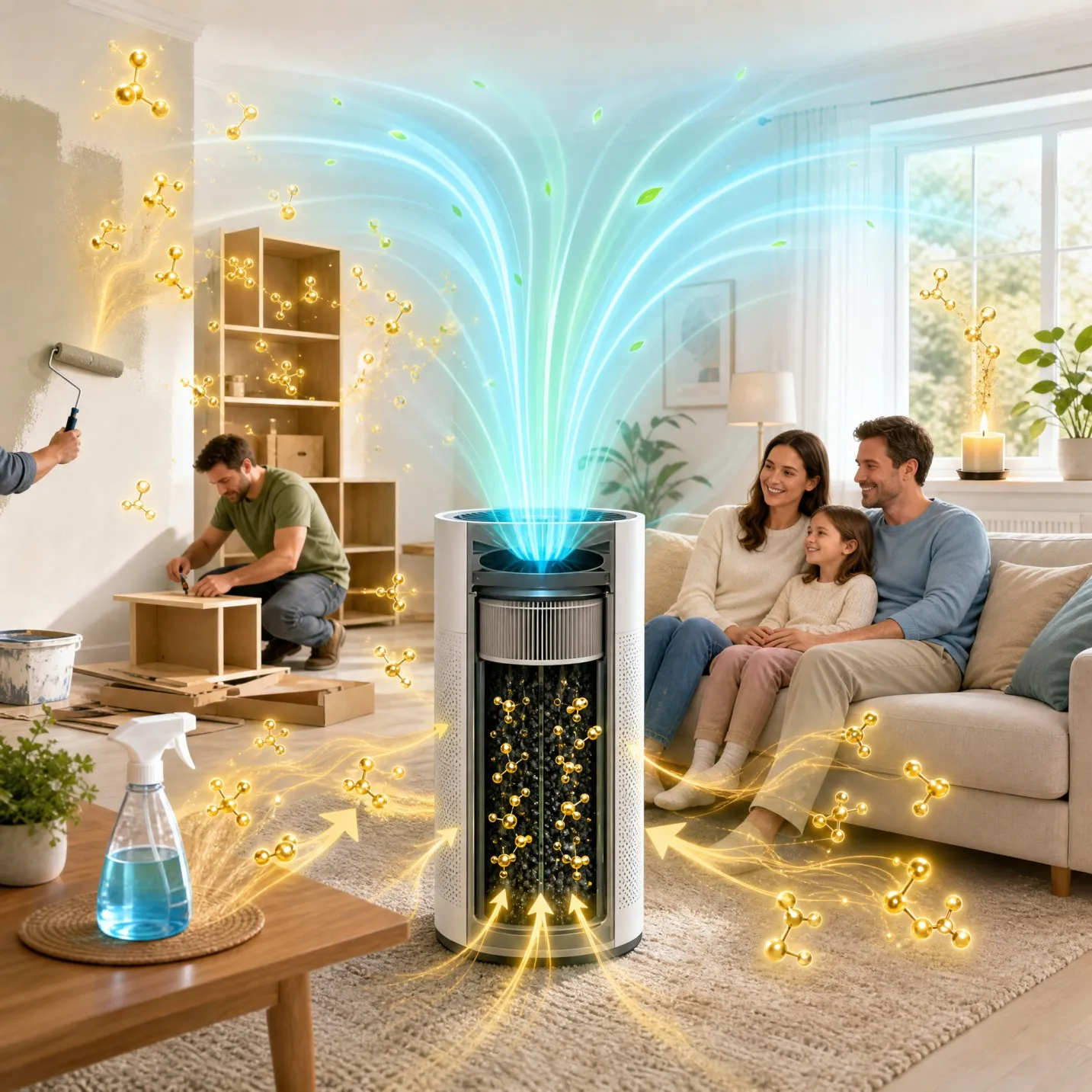
Once the results of the environmental tobacco smoke testing are available, the focus shifts to mitigation. If high levels are detected, there are several steps that can be taken to restore the air quality:
- Enhanced Filtration: Upgrading HVAC filters to HEPA standards can help trap fine particles.
- Deep Cleaning: Using specialized detergents designed to break down nicotine resins on hard surfaces and textiles.
- Sealing Leaks: Identifying and sealing gaps in walls or floorboards where smoke might be migrating from neighboring units.
- Policy Adjustment: Strengthening smoke-free rules and providing designated outdoor areas far from building entrances.
By taking these steps, you ensure that the indoor environment is not just temporarily masked with fragrances, but truly cleaned at a molecular level.
The Role of Technology in Modern Monitoring
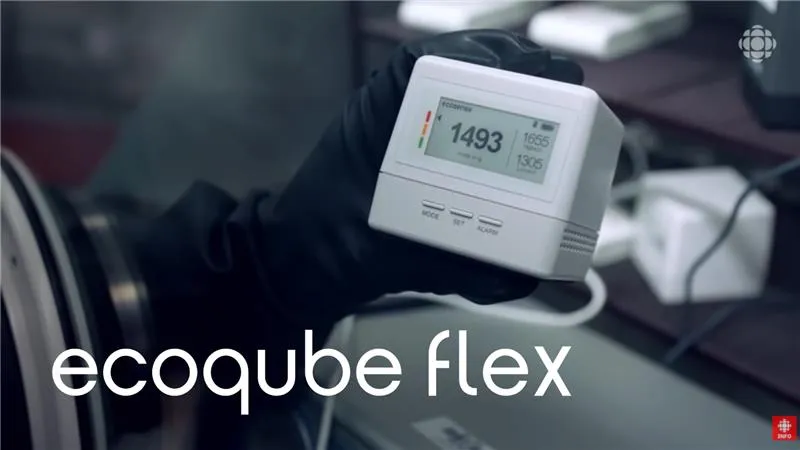
The field of air quality assessment is constantly advancing. We now have access to real-time sensors that can detect sudden changes in air composition, alerting managers to smoking incidents as they happen. While these sensors are excellent for immediate deterrence, they work best when paired with comprehensive laboratory testing.
This combination of real-time alerts and detailed chemical analysis provides a complete shield for your property. It allows for immediate intervention when a policy is broken, while the lab tests offer the deep-dive data needed for long-term health planning. Embracing these technological tools shows a forward-thinking approach to facility management that prioritizes the invisible factors that impact human health.
Fostering a Culture of Clean Air
Ultimately, the goal of monitoring for tobacco smoke is to foster a culture where clean air is valued as a fundamental right. It is about creating a space where everyone can breathe easily, regardless of their health status. When businesses and landlords take these invisible threats seriously, it sets a standard for the entire community.
Education plays a big role in this process. Sharing the results of air quality tests with tenants or employees can be a powerful way to explain why certain policies exist. It moves the conversation from one of restriction to one of mutual care and protection. When everyone understands the benefits of a smoke-free environment, compliance becomes a shared responsibility rather than a burden.
A Healthier Future for Every Occupant
As we become more aware of the impact our environment has on our longevity and happiness, the demand for high-quality indoor air will continue to grow. Investing in environmental tobacco smoke testing is an investment in the future of your property and the people who inhabit it. It provides peace of mind, ensures legal safety, and maintains the physical beauty of your building.
Whether you are managing a high-rise office, a school, or your own home, the principles of air quality management remain the same. By identifying the problem, quantifying the risk, and taking decisive action, you can eliminate the hazards of tobacco smoke once and for all. A clean, fresh-smelling environment is not just a luxury—it is the foundation of a healthy life, and professional testing is the key to unlocking that reality for everyone.



















Sign in to leave a comment.