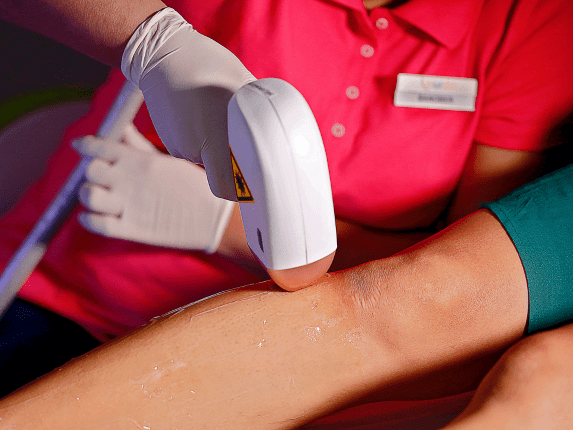

Hair fall can be a frustrating and confidence-draining experience. With numerous treatments available, PRP for hair has gained popularity as a promising, non-surgical solution. But does it really work? Is it right for you? Let’s uncover the truth about PRP treatment for hair loss, bust some common myths, and help you decide if it’s worth trying.
What is PRP for Hair?
PRP (Platelet-Rich Plasma) therapy is a cutting-edge medical treatment that uses your body’s own healing abilities to stimulate hair growth. It involves drawing a small amount of your blood, processing it to concentrate the platelets, and injecting the PRP into the scalp to activate inactive or weakened hair follicles.
This process encourages:
- Natural hair regrowth
- Thickening of existing hair
- Reduction in hair shedding
It's especially popular among those seeking a non-surgical solution for hair fall.
Benefits of PRP Treatment for Hair Loss
Patients and dermatologists alike have seen excellent results using PRP treatment for hair loss, especially when started early. Here are the key benefits:
- Strengthens hair follicles
- Reduces hair shedding and breakage
- Improves hair density and thickness
- Suitable for both men and women
- No downtime and minimal side effects
- Safe and natural—uses your own blood
In many cases, PRP works best when combined with other therapies like minoxidil or derma-rolling for enhanced effectiveness.
Common Myths About PRP for Hair Loss
Myth 1: PRP is a one-time solution
Reality: PRP typically requires 3–6 sessions spaced a month apart, followed by maintenance treatments every 4–6 months.
Myth 2: It’s only for severe hair loss
Reality: In fact, PRP for hair works best during early to moderate stages of hair loss. If your follicles are still active, PRP can revive and restore them.
Myth 3: Results are instant
Reality: Visible results typically begin after the second or third session, with full effects showing within 4–6 months.
6 Myth 4: PRP is unsafe
Reality: PRP is considered very safe because it uses your own plasma. Mild swelling or redness may occur but subsides quickly.
Who Should Try PRP for Hair?
PRP treatment for hair loss is ideal for:
- Men and women with early thinning or shedding
- Individuals with androgenic alopecia (male or female pattern baldness)
- Postpartum women dealing with temporary hair loss
- Patients who prefer a non-invasive option over hair transplant
- Those looking to boost results from other treatments
Note: If you have complete baldness (no follicles remaining), PRP may not be effective and you may be better suited for a hair transplant.
What to Expect During PRP Sessions
Each PRP for hair session typically takes about 45–60 minutes and involves:
- Blood draw (10–15 ml)
- Platelet separation via centrifuge
- Scalp numbing (topical anesthetic)
- Injection of PRP into targeted scalp areas
There’s minimal discomfort, no scarring, and you can return to your routine the same day.
Results: How Effective is PRP for Hair Loss?
- 2–3 months: Reduced hair fall, improved texture
- 4–6 months: Increased hair volume and thickness
- 12+ months: Ongoing improvement with maintenance sessions
Most patients report a visible improvement in hair health by the third month, especially when PRP is done consistently.
Final Thoughts: Is PRP Worth Trying?
Yes—PRP for hair loss is a clinically supported, low-risk, and natural approach to treating hair fall. It’s most effective for those in the early stages of hair thinning and can significantly delay the need for surgical treatments.
However, consistency is key. For best results, consult a certified dermatologist or hair specialist and follow a structured treatment plan.















Sign in to leave a comment.