
Introduction
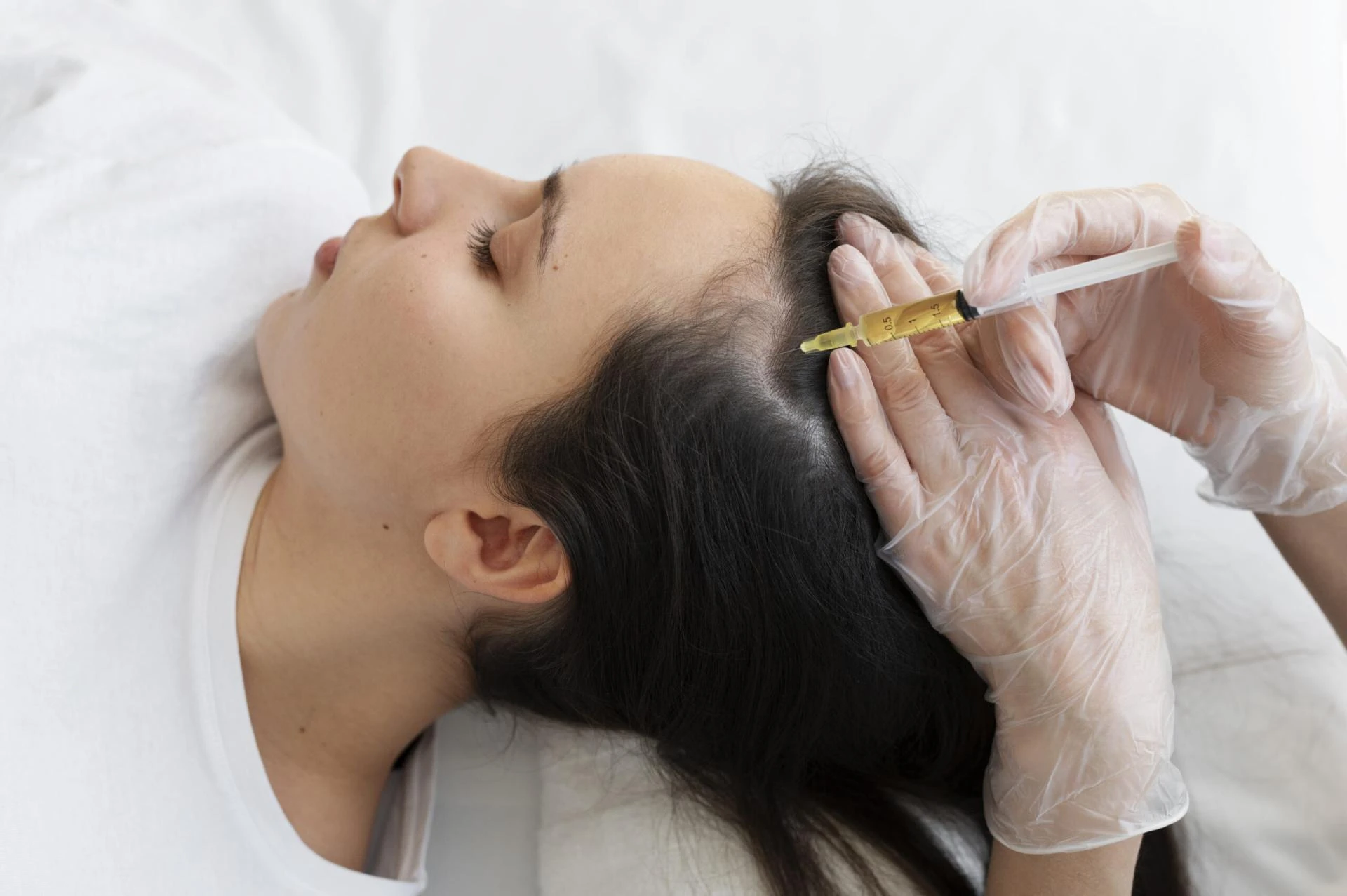
Platelet-rich plasma (PRP) treatment has become one of the most popular cosmetic and medical procedures worldwide, especially for hair growth, skin rejuvenation, and joint pain relief. If you’ve been scrolling through Instagram or TikTok, you’ve probably seen celebrities flaunting their glowing faces after a “vampire facial” or showing their hair transformations following PRP therapy. Naturally, the first question that comes to mind is: How much does PRP treatment really cost? And why does the price vary so much from clinic to clinic?
PRP treatment is known for being effective, minimally invasive, and safe, which makes it appealing to people who want natural healing without surgery.
In this detailed guide, you’ll get a complete breakdown of PRP treatment costs around the world, what affects the pricing, how many sessions you actually need, and whether the treatment is worth the investment. You’ll also learn insider tips to save money without compromising on quality. Whether you're planning PRP for hair, skin, or joints, this guide will help you make a wise, informed decision.
Understanding PRP Treatment
Platelet-rich plasma (PRP) treatment may seem like a modern miracle. Still, the concept behind it is surprisingly simple: your body already contains the ingredients needed to heal itself—PRP concentrates those ingredients and directs them to the area that needs repair.
To truly understand why PRP treatment costs what it does, you first need a clear picture of how it works and why it has become so popular across fields ranging from dermatology to orthopaedics.
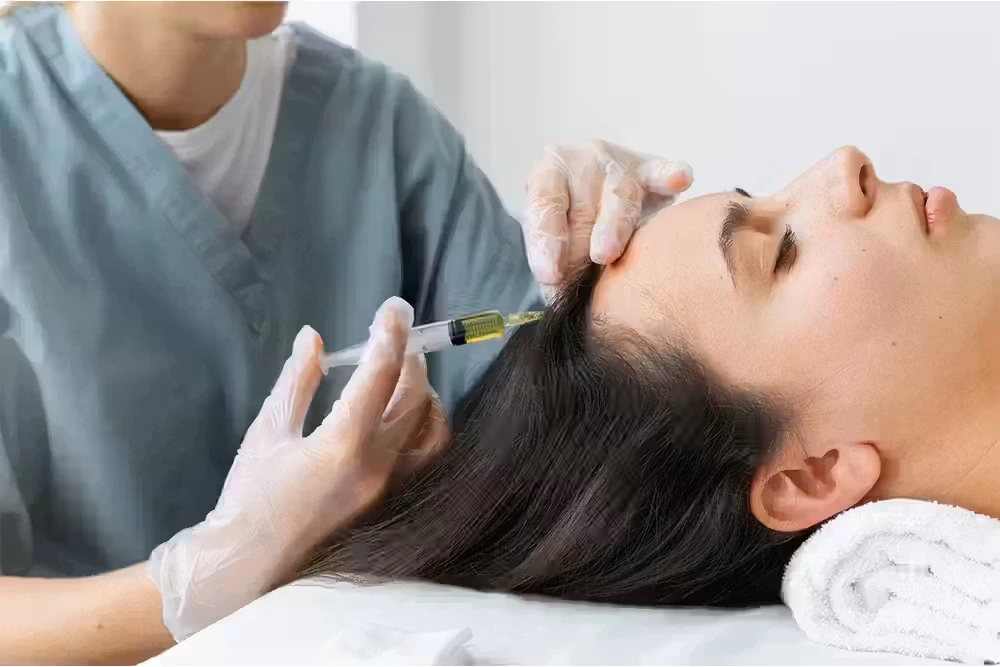
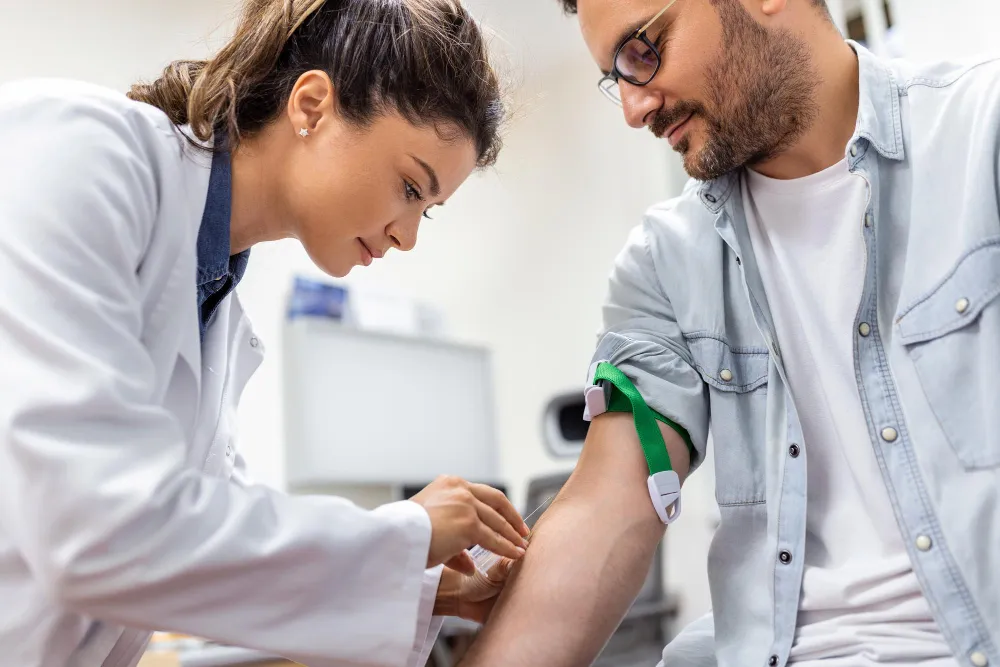
PRP is derived from your own blood. A healthcare professional draws a small amount, usually between 10 and 30 millilitres, and places it inside a centrifuge. This high-speed spinning machine separates your blood into layers—red blood cells, platelet-poor plasma, and platelet-rich plasma. The PRP layer contains a high concentration of growth factors, proteins, and healing components that naturally stimulate tissue regeneration.
These growth factors play a key role in strengthening hair follicles, promoting collagen production, facilitating wound healing, and reducing inflammation. Essentially, PRP supercharges your body’s natural repair system.
The popularity of PRP skyrocketed when top athletes like Tiger Woods and Kobe Bryant publicly credited PRP with accelerated recovery from injuries. Soon after, cosmetic clinics began adapting PRP for skin and hair treatments, branding the “vampire facial” as a celebrity favourite. Beyond aesthetics, PRP is widely used for arthritis, tendon injuries, muscle tears, and chronic pain conditions. The procedure is minimally invasive, requiring only injections, and because the plasma comes from your own body, the risk of allergic reactions or complications is extremely low.
But despite its simplicity, the process behind PRP is technical. The quality of the centrifuge, the type of PRP kit used, and the practitioner's experience significantly influence the concentration quality—and therefore the results. This is one of the primary reasons PRP costs vary so widely across clinics. High-end clinics invest in FDA-approved systems capable of producing highly potent plasma, while budget clinics may use basic centrifuges that generate weaker PRP.
Another factor contributing to the cost is the diversity of PRP applications. Treating a full head of hair requires more PRP and more injections compared to treating fine lines under the eyes. Similarly, orthopaedic PRP often requires ultrasound guidance to ensure accurate placement. These variations in technique, equipment, and expertise help explain why PRP prices differ so much and why understanding the treatment is crucial before judging the cost.
For More Details : https://www.vcaretrichology.com/prp-hair-treatment.php





















Sign in to leave a comment.