
Introduction
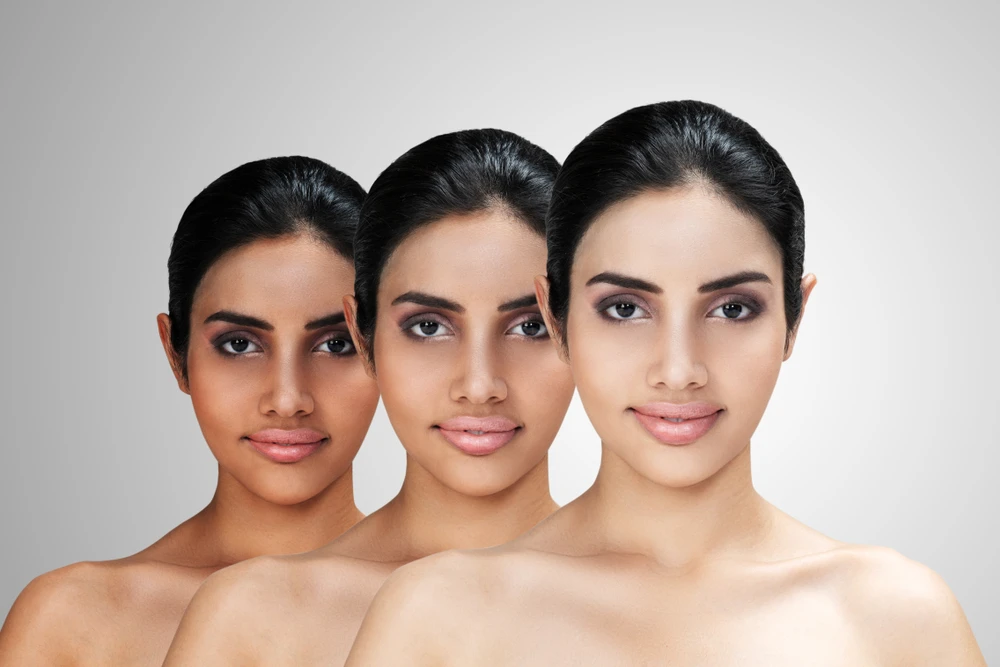
Skin whitening treatments have become one of the most sought-after cosmetic procedures worldwide, driven by the desire for an even skin tone, reduced pigmentation, and a brighter, more radiant complexion. While some people search for treatments to lighten their natural skin tone, many others want to get rid of issues like dark spots, melasma, tanning, and dull skin caused by pollution, sun exposure, and hormonal changes. Today, countless treatments—from lasers to glutathione injections—promise lighter skin, which makes it confusing for people to decide which method is safe, effective, and worth the cost.
The growing popularity of skin whitening is not just a beauty trend; it is influenced by lifestyle, environment, culture, and personal confidence. However, the term “skin whitening” is often misunderstood. Many treatments marketed as whitening procedures are actually designed to brighten, remove pigmentation, or correct tone, not to change someone's natural complexion entirely. Because of this, understanding what “whitening” truly means—and what results are realistically possible—is essential before choosing a treatment.
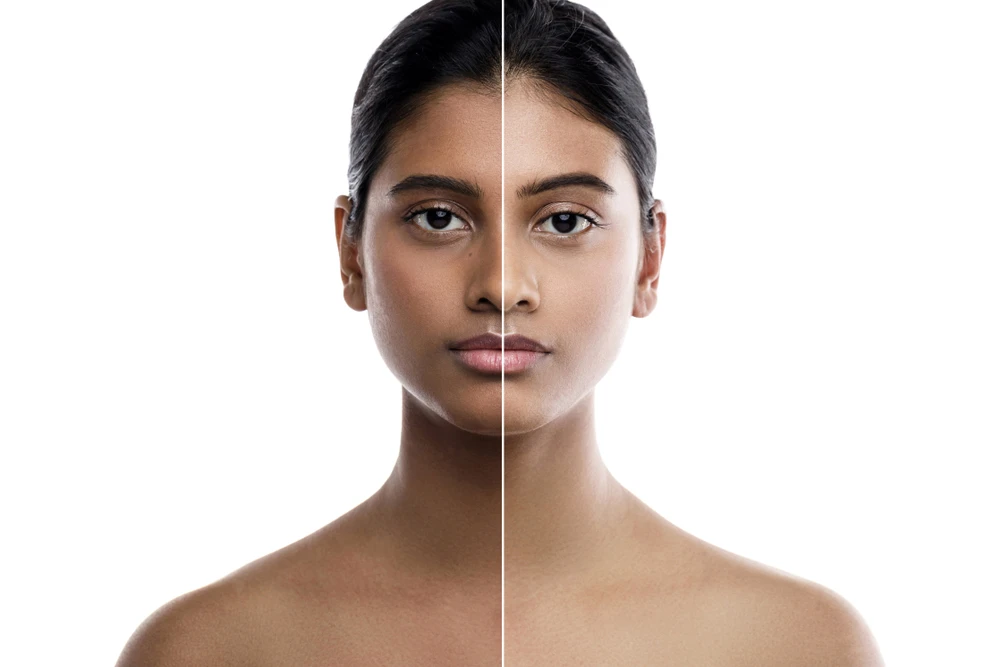
Another important aspect is safety. Not all whitening methods are equal. Some are backed by science and dermatology, while others can cause long-term damage if done incorrectly or using harsh chemicals. Price differences also contribute to confusion:
This guide breaks down everything you need to know about skin whitening treatments, including types, costs, benefits, side effects, and whether permanent whitening is actually possible. You’ll also learn how to choose the proper treatment based on your skin type and concerns, helping you make a safe, well-informed decision.
Understanding Skin Whitening
Understanding skin whitening begins with acknowledging that the term itself is often misunderstood, oversimplified, or marketed in misleading ways. Most people assume “skin whitening” means changing their natural skin colour entirely. Still, dermatologists explain that actual whitening is not the goal—the fundamental objective is to reduce excess
pigmentation, even out skin tone, remove dark patches, and reveal a brighter complexion. Skin whitening treatments work by targeting melanin, the pigment that gives your skin its colour. The issue is not melanin itself—melanin is essential for protecting the skin from UV damage. The problem is uneven melanin production, which leads to dark spots, hyperpigmentation, melasma, acne marks, tanning, and dullness.
Melanin is produced by cells called melanocytes. When these melanocytes become overactive due to sun exposure, hormonal changes, inflammation, or genetic factors, they produce excess pigment. Whitening treatments aim to slow down the overproduction of melanin, break down existing dark pigment, and encourage newer, clearer skin to emerge. Some treatments gently exfoliate the top layers of the skin, while others penetrate deeper to treat stubborn discolouration. The purpose is not to remove melanin entirely but to correct imbalances that make the skin look darker or patchy.
Another key point in understanding skin whitening is knowing that results vary widely based on skin type, genetics, and lifestyle. Someone with pigmentation caused by sun damage may respond quickly, while someone with hormonal melasma might need more sessions and maintenance. This is why dermatologists emphasise personalised treatment plans rather than one-size-fits-all solutions. Not every treatment is right for every skin type; some methods that work for lighter skin tones can cause irritation or darkening in deeper skin tones. Therefore, consultation with a qualified dermatologist is essential before beginning any whitening procedure.
Ultimately, understanding skin whitening is not about chasing unrealistic beauty standards—it’s about learning how your skin works, what’s causing discolouration, and which treatments can safely help improve clarity and brightness. When used responsibly, whitening treatments can boost confidence and restore a healthy, glowing complexion without compromising your skin's natural beauty.
Types of Skin Whitening Treatments
Skin whitening treatments come in many forms, each designed to target different layers of the skin and different causes of pigmentation. Choosing the proper treatment depends on your skin type, the severity of your discolouration, how quickly you want results, and your overall budget. Some treatments focus on surface-level exfoliation, while others target deep dermal melanin production at its source. Because of this diversity, many people become confused about which option is best for them. Understanding the primary categories can help you make an informed decision and avoid wasting time or money on solutions that don’t address your specific skin issues.
One of the most common whitening options is topical whitening creams. These include both prescription-strength creams and over-the-counter products. They work by inhibiting tyrosinase, an enzyme required for melanin production. Prescription creams typically contain ingredients like hydroquinone, tretinoin, or corticosteroids, which can be effective but must be used carefully. Over-the-counter versions often include safer ingredients such as niacinamide, vitamin C, kojic acid, liquorice extract, or alpha arbutin. While creams are usually the most affordable option, they are best for mild pigmentation and require consistent long-term use.
Next are chemical peels, a dermatologist-performed procedure that exfoliates the upper layers of the skin. Peels range from mild ones, like glycolic or lactic acid peels, to stronger ones like TCA peels used for deeper pigmentation. Chemical peels promote faster cell turnover, removing damaged layers of skin and revealing brighter, more even-toned skin underneath. They can significantly lighten pigmentation over multiple sessions and are ideal for conditions like tanning, acne marks, and dull skin.
Laser skin whitening is considered one of the most effective options for stubborn pigmentation and deep melasma. Laser treatments use concentrated light energy to break down excess melanin while stimulating collagen. The results can be dramatic, but the procedure is more costly, and it should be performed only by experienced dermatologists to avoid burns or worsening pigmentation.
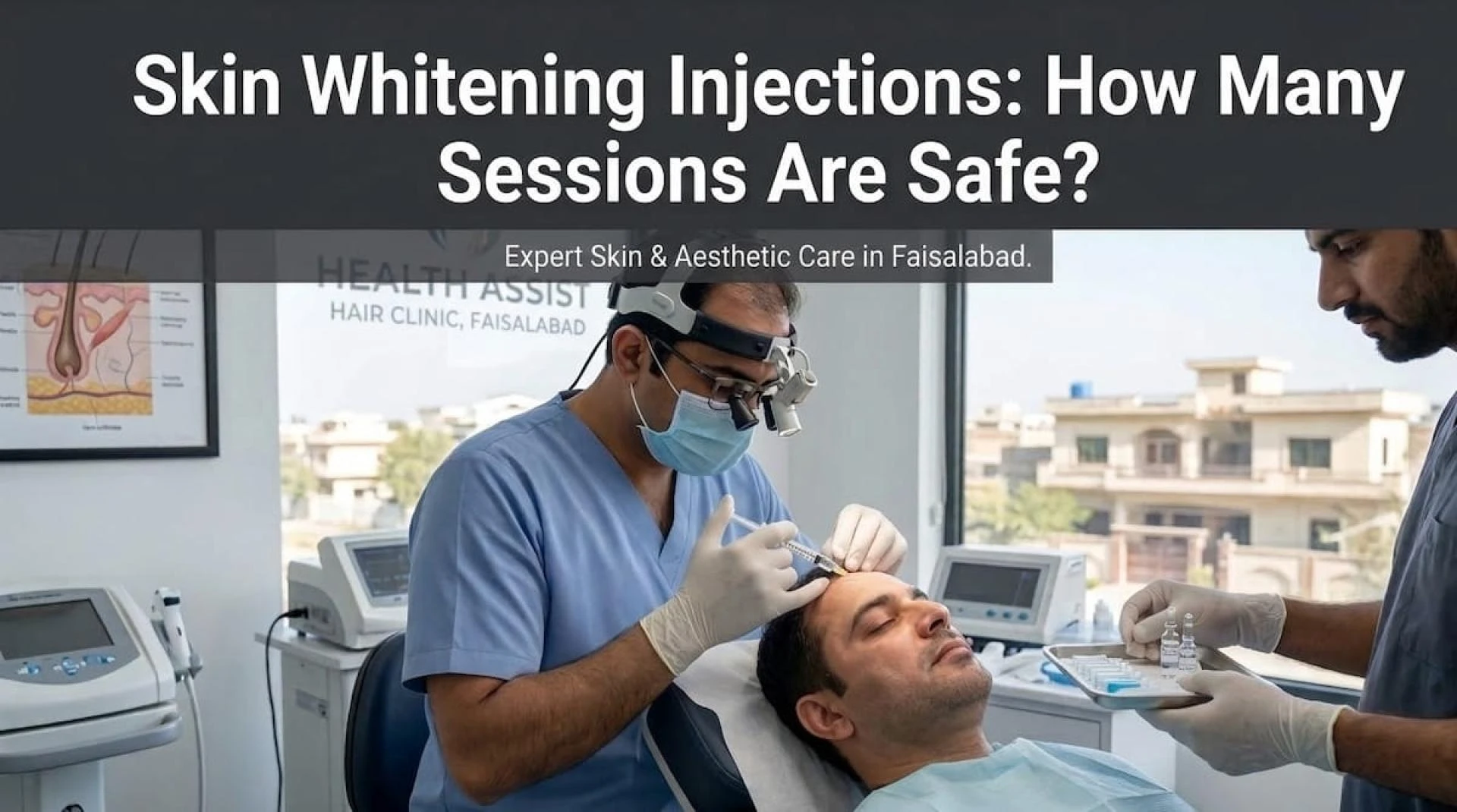
Another highly popular option is glutathione, available in oral form, injections, or IV drips. Glutathione is a powerful antioxidant that lightens skin by reducing melanin production from within. While many people swear by its results, it remains controversial in some countries due to regulatory differences and quality concerns.
Microdermabrasion, IV cocktails, and combination therapies (e.g., laser + peels + glutathione) round out the list of whitening methods, offering layered treatment approaches for faster, more noticeable results.
Overall, the best whitening treatment depends on your skin’s needs, the depth of pigmentation, and your desired level of brightness. A professional evaluation is always recommended to ensure safety and effectiveness.
https://www.vcareskinclinic.com/skin-lightening-treatment.php














Sign in to leave a comment.