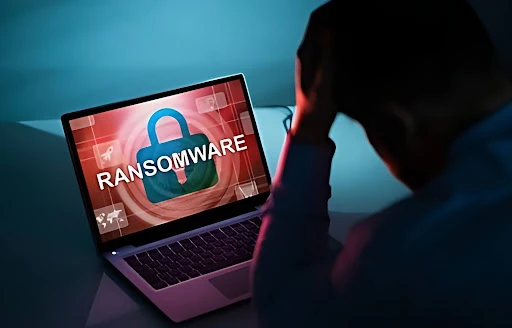

In a shocking turn of events, the Qilin Ransomware Gang has launched a devastating cyberattack on the NHS, targeting hospitals in South London. These malicious actors have crippled healthcare services, leaving patients and staff in turmoil. But what does this mean for you, the general internet user? In this blog post, we will explore the background of the Qilin Ransomware Gang, dissect the recent NHS cyberattack, and provide actionable steps to protect yourself from similar threats.
Who are the Qilin Ransomware Gang?
The Shadowy World of Qilin
The Qilin Ransomware Gang is a notorious group of cybercriminals known for their sophisticated and ruthless attacks. Emerging from the dark web, they have orchestrated numerous high-profile new ransomware attacks campaigns, extorting millions from their victims. These hackers specialize in encrypting valuable data and demanding hefty ransoms for its release.
Tactics and Techniques
Qilin employs a variety of tactics to infiltrate systems, including exploiting software vulnerabilities and launching phishing attacks. They often target sectors with critical data, such as healthcare and finance, where the stakes are high, and victims are more likely to pay ransoms.
Previous Attacks on Healthcare Systems
The healthcare sector has been a frequent target for Qilin. Their attacks on hospitals and medical facilities disrupt essential services, endangering lives. By understanding their methods, we can better anticipate and defend against future threats.
The NHS Cyber Attack Unfolded
A Detailed Account of the Attack
In a coordinated assault, the Qilin Ransomware Gang targeted South London hospitals within the NHS, causing widespread disruption. Critical systems were encrypted, rendering patient records inaccessible and halting vital healthcare services. Emergency protocols were activated, but the impact was severe, affecting both staff and patients.
The Immediate Impact
The attack led to the cancellation of surgeries, delays in treatments, and a general state of chaos. Healthcare workers had to resort to manual record-keeping, significantly slowing down operations. The attack underscored the vulnerability of essential services to cyber threats.
The Ransomware Used
Qilin utilized a sophisticated variant of ransomware that not only encrypted data but also exfiltrated sensitive information. This double extortion tactic meant that even if the ransom was paid, there was no guarantee that the stolen data would not be leaked or sold.
The Role of Phishing Attacks
Understanding Phishing
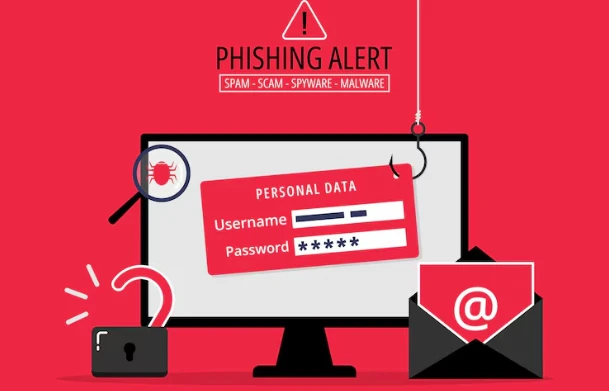
Phishing is a common method employed by cybercriminals to gain access to systems. By sending deceptive emails that appear legitimate, attackers trick users into clicking malicious links or downloading infected attachments. This often serves as the entry point for ransomware attacks.
Identifying Phishing Scams
To protect yourself, it’s crucial to recognize the signs of phishing. Look out for unsolicited emails with urgent requests, suspicious links, and poor grammar. Always verify the sender’s email address and never click on links from unknown sources.
Tips to Avoid Phishing
Use Email Filters: Implement spam filters to block malicious emails.Educate Yourself: Stay informed about the latest phishing techniques.Verify Requests: Always double-check requests for sensitive information.Protecting Against Cyber Threats
Best Practices for Cybersecurity
Regular Updates: Always keep your software and operating systems up to date to patch vulnerabilities.Strong Passwords: Use complex passwords and change them regularly.Employee Training: Organizations should train employees on cybersecurity best practices to prevent breaches.The Importance of Backup
Regularly backing up data ensures that you can recover information without paying a ransom. Store backups offline to prevent them from being encrypted by ransomware.
Implementing Multi-Factor Authentication (MFA)
MFA adds an extra layer of security by requiring multiple verification methods before granting access. This significantly reduces the risk of unauthorized access.
Looking Ahead
The Evolving Nature of Cyber Threats
Cyber threats are constantly evolving, with attackers developing new methods to bypass security measures. Staying ahead requires continuous monitoring and adaptation.
Collective Action
Cybersecurity is a collective effort. Governments, organizations, and individuals must work together to share information and develop strategies to combat these threats.
Staying Informed and Vigilant
Stay updated with the latest cybersecurity news and developments. Join online forums, follow reputable cybersecurity blogs, and participate in community discussions.
Conclusion
The recent NHS cyberattack by the Qilin Ransomware Gang highlights the critical need for robust cybersecurity measures. Understanding the threat landscape and taking proactive steps can protect you and your organization from similar attacks. Stay vigilant, educate yourself, and prioritize cybersecurity to safeguard your digital world.












Sign in to leave a comment.