
Introduction
In the digitally connected world we live in, cyber threats have become a routine challenge for IT professionals. Among these threats, phishing stands out as one of the most deceptive and damaging. It's not just a nuisance; it’s a significant risk to personal and organizational security. This blog post aims to arm IT professionals with the latest information on phishing attacks, current trends, and effective countermeasures. Through this guide, you’ll gain valuable insights to safeguard your systems and stay ahead of cybercriminals.
Understanding Phishing
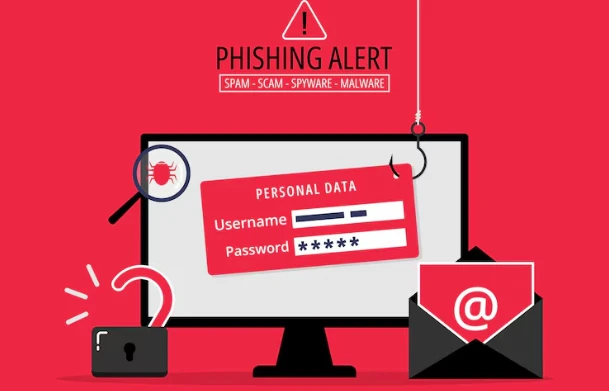
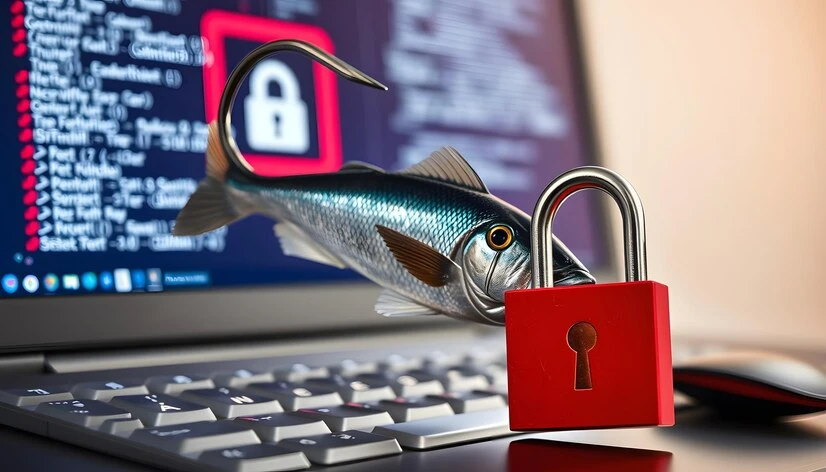
Phishing is a form of cyberattack where malicious actors deceive individuals into divulging sensitive information, such as passwords, credit card numbers, or other personal details. These scams often appear as legitimate communications from trusted entities, tricking the victim into a false sense of security. Common phishing tactics include email scams, fake websites, and fraudulent text messages.
Phishing attacks are continuously evolving, becoming more sophisticated and harder to detect. Cybercriminals are using advanced social engineering techniques to craft convincing messages tailored to their targets. For example, spear-phishing attacks focus on specific individuals within an organization, making them seem highly credible and personalized.
Understanding these tactics is crucial for IT professionals tasked with safeguarding their organizations. By staying informed about the nature of phishing, IT teams can better anticipate and mitigate potential threats before they cause significant damage.
The Latest News on Phishing
Staying up-to-date with the latest phishing news is essential for IT professionals. Recent phishing campaigns have shown a marked increase in both frequency and complexity. For instance, cybercriminals are exploiting global events, such as the COVID-19 pandemic, to launch targeted attacks that prey on public fear and uncertainty.
High-profile phishing attacks have also made headlines, demonstrating the severe impact these scams can have on organizations. For example, a recent attack on a major financial institution resulted in the loss of millions of dollars and compromised sensitive customer data. Such incidents highlight the critical need for robust phishing defenses within any organization.
Analyzing these attacks provides valuable lessons for IT professionals. By understanding the strategies used by cybercriminals, IT teams can develop more effective countermeasures and better protect their systems against future threats.
Countermeasures Against Phishing
Protecting against phishing requires a multi-faceted approach that combines best practices, advanced tools, and continuous education. Here are some essential strategies for both individuals and organizations:
Educate and Train Employees: Regular training sessions can help employees recognize phishing attempts and understand the importance of reporting suspicious activities. Awareness is the first line of defense.Implement Strong Email Security: Use advanced email filtering technologies to detect and block phishing emails. Tools like spam filters, anti-phishing software, and email authentication protocols (such as DKIM, SPF, and DMARC) can significantly reduce the risk of phishing attacks.Deploy Multi-Factor Authentication (MFA): MFA adds an extra layer of security by requiring multiple forms of verification before granting access to sensitive systems. This measure can prevent unauthorized access even if login credentials are compromised.Regularly Update Software and Systems: Keeping all software and systems up to date ensures that the latest security patches are applied, reducing vulnerabilities that could be exploited by phishing attacks.By implementing these countermeasures, organizations can drastically reduce their susceptibility to phishing and strengthen their overall cybersecurity posture.
Case Studies
Real-life examples provide valuable insights into successful phishing prevention strategies. Consider the case of Company XYZ, which implemented a comprehensive phishing awareness program for its employees. Through regular training and simulated phishing exercises, the company significantly reduced the number of successful phishing attacks.
Another example is the deployment of advanced email security solutions by Company ABC. By using AI-powered threat detection and response systems, the company was able to identify and block phishing attempts before they reached employees' inboxes.
These case studies highlight the importance of a proactive approach to phishing prevention. By learning from others' experiences, IT professionals can adopt proven strategies to protect their own organizations and mitigate the risks associated with phishing attacks.
Conclusion
In conclusion, staying informed and proactive is essential for IT professionals in the fight against phishing. By understanding the latest phishing news, implementing effective countermeasures, and learning from real-life examples, you can significantly enhance your organization's cybersecurity defenses.
Remember, the cyber threat news landscape is constantly evolving, and continuous education and adaptation are key to staying ahead of cybercriminals. Stay vigilant, stay informed, and keep your systems secure.
For further resources and expert guidance on enhancing your cybersecurity practices, consider connecting with our team of specialists. Together, we can build a more secure digital future.






















Sign in to leave a comment.