
Introduction
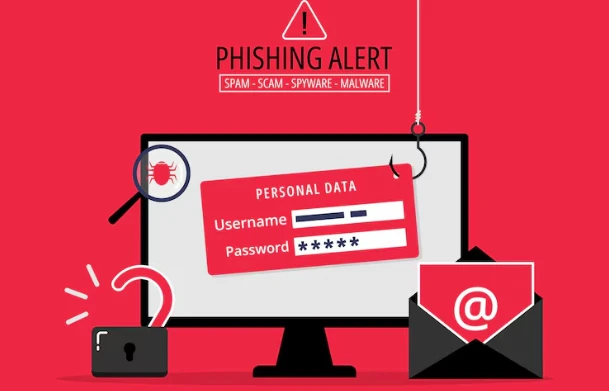
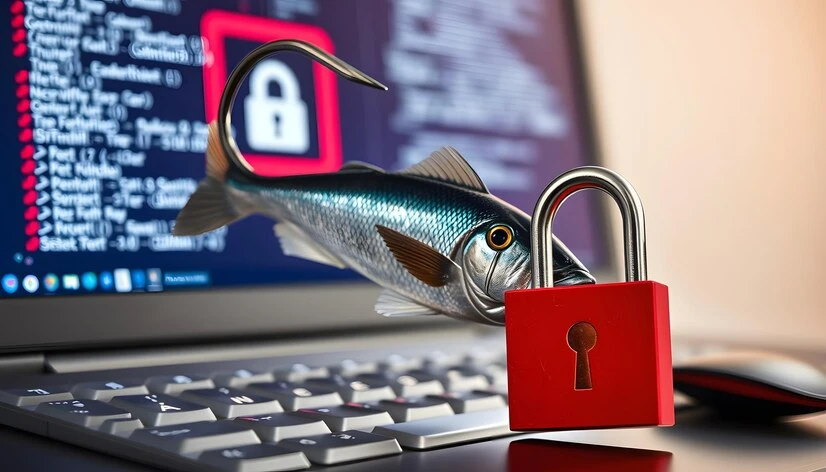
In the ever-evolving landscape of cybersecurity, phishing remains one of the most prevalent and deceptive threats IT professionals face. Defined as the fraudulent attempt to obtain sensitive information by disguising oneself as a trustworthy entity in electronic communications, phishing exploits human psychology and technology vulnerabilities. Staying informed about the latest phishing news and trends is crucial for IT professionals tasked with safeguarding their organizations' cybersecurity.
The Evolution of Phishing
Phishing has come a long way since its inception in the mid-1990s. Initially, attackers used rudimentary tactics, sending bulk emails from spoofed email addresses in the hopes that some recipients would fall for the bait. These early attempts were often easy to spot due to poor grammar, spelling errors, and generic messages.
As technology advanced, so did phishing techniques. By the 2000s, phishing news schemes became more sophisticated, incorporating social engineering tactics and personalized messages. Attackers began to target specific individuals or organizations, a method known as spear phishing. The rise of social media and mobile devices further expanded the avenues through which phishing attacks could be launched.
Today, phishing is a multi-faceted threat involving various tactics such as clone phishing, vishing (voice phishing), and smishing (SMS phishing). The evolution of phishing reflects the adaptability of cybercriminals and underscores the need for IT professionals to be vigilant and proactive.
Current Phishing Trends
Understanding current phishing trends is vital for IT professionals to anticipate and mitigate potential threats. Some of the latest trends include:
- Phishing through Social Media
Social media platforms are fertile ground for phishing attacks. Cybercriminals exploit these channels to gather personal information, craft convincing messages, and distribute malicious links. IT professionals need to monitor their organization's social media presence and educate employees about the risks associated with social media interactions.
- Mobile Device Phishing
With the proliferation of smartphones, phishing attacks targeting mobile devices are on the rise. These attacks often come in the form of smishing or malicious mobile apps. Ensuring that employees use secure mobile practices and regularly update their devices is essential in mitigating this threat.
- COVID-19 Related Phishing
The COVID-19 pandemic has been a boon for phishers, who exploit public fear and uncertainty. Phishing emails masquerading as pandemic-related updates from health organizations or government agencies have flooded inboxes, making it imperative for IT professionals to disseminate accurate information and advise caution.
- Business Email Compromise (BEC)
BEC is a type of phishing attack where cybercriminals impersonate high-level executives or trusted business partners to trick recipients into transferring funds or divulging sensitive information. Implementing robust email security measures can help detect and prevent BEC attacks.
Phishing Prevention
Preventing phishing attacks requires a combination of best practices and technological solutions. IT professionals play a crucial role in implementing these measures:
- Employee Training
Human error is often the weakest link in cybersecurity. Regular training sessions can educate employees about recognizing phishing attempts and responding appropriately. Simulated phishing exercises can also help assess and improve employee vigilance.
- Email Security Measures
Implementing email authentication protocols such as SPF, DKIM, and DMARC can help verify the legitimacy of incoming emails. Advanced email filtering solutions can detect and block suspicious emails before they reach the inbox.
- Multi-Factor Authentication (MFA)
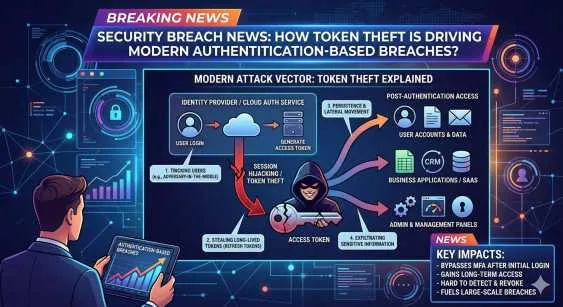
Requiring MFA for accessing sensitive systems adds an extra layer of security, making it more difficult for phishers to gain unauthorized access even if they manage to obtain login credentials.
- Incident Response Plan
Having a well-defined incident response plan ensures that the organization can quickly and effectively address phishing attempts. This plan should include steps for identifying, reporting, and mitigating phishing incidents.
Case Studies
Real-life examples of phishing attacks provide valuable insights into the methods used by attackers and the strategies employed to counteract them:
- Case Study 1: The Target Data Breach
In 2013, retail giant Target suffered a massive data breach that exposed the credit card information of millions of customers. The breach began with a phishing email sent to a third-party vendor, leading to compromised login credentials and unauthorized access to Target's network. The incident highlighted the importance of robust third-party security and the potential consequences of successful phishing attacks.
- Case Study 2: The Twitter Bitcoin Scam
In 2020, several high-profile Twitter accounts were hacked and used to promote a Bitcoin scam. Attackers gained access through a phishing attack targeting Twitter employees. This case underscored the need for strong internal security measures and employee awareness training.
Ethical Hacking and Phishing
Ethical hacking, or penetration testing, plays a vital role in identifying and preventing phishing attacks. By simulating phishing attempts and other cyberattacks, ethical hackers can uncover vulnerabilities and provide actionable recommendations for bolstering security.
- Current Ethical Hacking News
Recent developments in ethical hacking emphasize the importance of staying ahead of cyber threats. For example, ethical hackers have been instrumental in identifying vulnerabilities in popular communication platforms and cloud services, prompting timely security patches and updates.
Ransomware Attacks: A Related Threat
Ransomware attacks often begin with a phishing email that delivers malicious payloads. These attacks can encrypt critical data, rendering it inaccessible until a ransom is paid. Recent ransomware news incidents have demonstrated the devastating impact such attacks can have on organizations.
- Defending Against Ransomware
To defend against ransomware, IT professionals should implement:
Regular data backups stored offline to ensure data recovery without paying a ransom.Endpoint protection solutions that can detect and block ransomware payloads.Network segmentation to limit the spread of ransomware within an organization.Conclusion
Phishing remains a significant threat in the cybersecurity landscape, constantly evolving to exploit new vulnerabilities and deceive even the most cautious individuals. For IT professionals, staying informed about the latest phishing news and trends is paramount to safeguarding their organizations.
By understanding the evolution of phishing, recognizing current tactics, implementing preventive measures, studying real-life case studies, and leveraging ethical hacking, IT professionals can build robust defenses against phishing attacks. Additionally, addressing related threats like ransomware further fortifies the organization's cybersecurity posture.
Remember, the fight against phishing is ongoing, and vigilance is key. Stay informed, stay prepared, and continue to champion cybersecurity within your organization.
For daily updates on phishing news and other cybersecurity developments, be sure to subscribe to our newsletter and follow us on social media. Let's work together to create a safer digital landscape for all.
























Sign in to leave a comment.