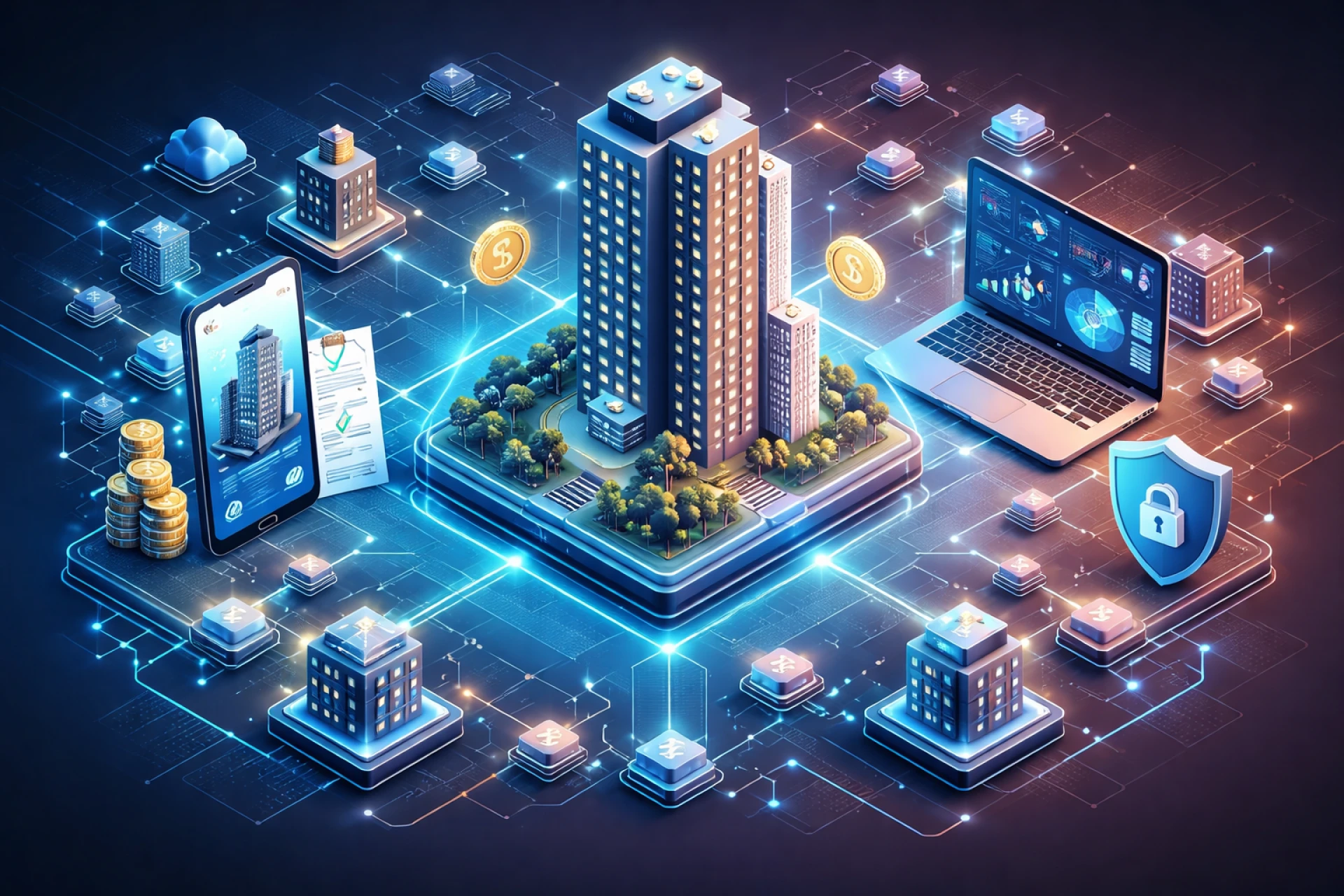

Property investment has traditionally required high capital, extensive legal procedures, and long holding periods. Many investors found it difficult to participate in global real estate markets due to high entry barriers and geographic limitations. Over time, digital technologies and blockchain infrastructure introduced a new model for property ownership and asset management. This model is widely referred to as Real Estate Tokenization.
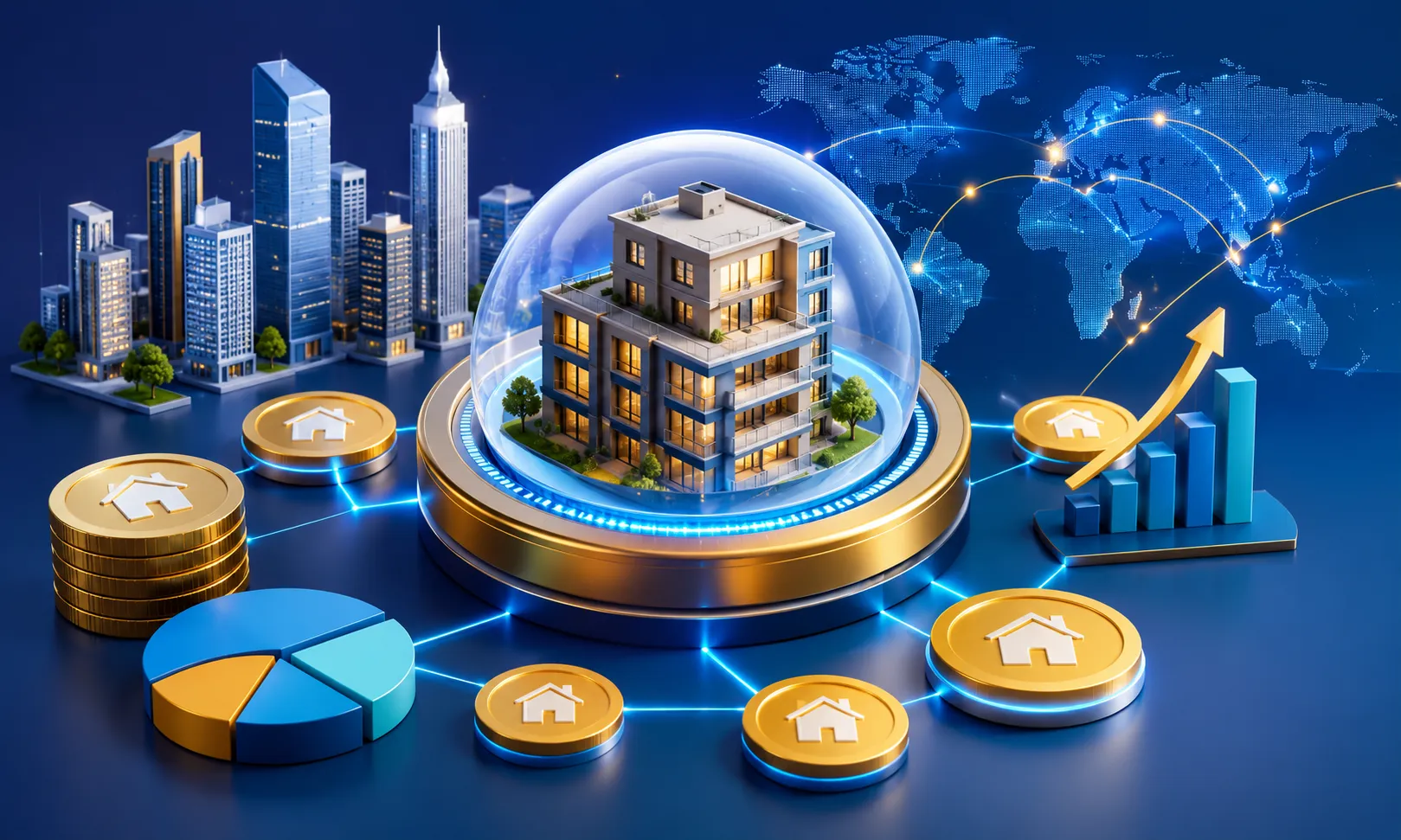
Real Estate Tokenization refers to the process of representing ownership of physical real estate assets as digital tokens recorded on a blockchain network. These tokens represent fractional ownership of a property and can be distributed to investors through digital platforms. As a result, individuals can invest in high-value properties with smaller capital commitments while gaining access to markets that were previously limited to institutional investors.
Behind this concept lies a complex technical structure known as a Real Estate Tokenization Platform. The platform architecture integrates blockchain infrastructure, smart contracts, asset verification systems, compliance frameworks, and investor management tools. Each layer plays a specific role in maintaining secure and verifiable property ownership records.
Organizations offering Real Estate Tokenization Services work on developing these platforms with a combination of blockchain protocols, security frameworks, and legal compliance mechanisms. A Real Estate Tokenization company usually designs and maintains the system that connects property owners, investors, regulators, and digital asset exchanges.
This article explains the architecture of a Real Estate Tokenization Platform, focusing on the technologies and components that support tokenized property markets.
Understanding Real Estate Tokenization Platform Architecture
A Real Estate Tokenization Platform consists of several technical layers that interact with each other. These layers collectively manage asset digitization, token issuance, investor participation, and transaction records.
The architecture usually includes blockchain infrastructure, smart contract protocols, asset digitization modules, compliance layers, digital wallets, and trading interfaces. Each component performs a specific role in recording ownership and facilitating transactions.
Real Estate Tokenization Platform Development requires careful planning across these layers because property ownership involves regulatory compliance, investor protection, and secure asset management. The platform must maintain accurate ownership records and prevent unauthorized transactions.
The architecture also integrates property valuation tools, identity verification mechanisms, and financial reporting modules. These components work together to support investors, asset managers, and regulators.
Method: Asset Digitization and Property Verification
The first stage in real estate tokenization development involves converting physical property assets into digital representations.
Before token issuance begins, the property must undergo verification procedures. These procedures confirm ownership rights, property valuation, legal status, and regulatory eligibility. Documentation such as land records, ownership certificates, and valuation reports are collected and verified.
Once verification is completed, the property information is converted into a digital asset representation within the platform database. This record includes property location, legal structure, ownership details, valuation data, and asset metadata.
Real Estate Tokenization Development Services often include property due diligence systems that automate document validation and verification. These systems reduce errors in property data and create reliable records for token issuance.
The digitization stage also determines how ownership will be divided. A property can be split into thousands of digital tokens, each representing a fractional share of the asset.
Method: Blockchain Infrastructure Integration
Blockchain technology functions as the underlying ledger for recording token ownership and transaction history.
When a Real Estate Tokenization Platform project begins, developers must select an appropriate blockchain network. Some platforms use public blockchains while others operate on permissioned networks designed for regulated financial systems.
The blockchain stores information related to token transfers, investor participation, and ownership changes. Every transaction is recorded in chronological order, creating a permanent history of asset activity.
Real estate tokenization development teams often integrate blockchain nodes with backend servers that manage platform operations. These nodes validate transactions and maintain synchronization across the network.
Blockchain architecture also protects records from unauthorized modifications. Each block in the ledger contains cryptographic references to previous blocks, creating a chain of records that cannot be altered without detection.
This structure allows investors and regulators to verify ownership records and transaction histories without relying on a centralized authority.
Method: Smart Contract Implementation
Smart contracts are programmable scripts stored on blockchain networks. These scripts automatically execute specific conditions related to token transactions.
Within a Real Estate Tokenization Platform, smart contracts manage token issuance, distribution, transfer restrictions, and revenue distribution.
For example, when investors purchase property tokens, the smart contract records the transaction and updates the ownership ledger. If the property generates rental income, the contract distributes revenue among token holders based on their ownership percentages.
Real Estate Tokenization Development company teams usually design several smart contract modules for property tokenization platforms. These modules handle investor subscriptions, dividend allocation, compliance restrictions, and token trading.
Smart contracts also reduce manual intervention in property management processes. Once deployed on the blockchain, the program follows predefined rules without human involvement.
However, smart contract audits are necessary before deployment. Security assessments help identify vulnerabilities that could affect investor funds or token ownership records.
Method: Token Issuance and Asset Fractionalization
After property digitization and smart contract configuration, the platform proceeds with token issuance.
Token issuance involves creating digital tokens representing fractional ownership of the property asset. Each token corresponds to a predefined share of the asset value.
For instance, a property valued at $10 million may be divided into one million tokens. Each token represents a small portion of ownership.
Real Estate Tokenization Services typically involve defining token economics such as total supply, ownership percentage per token, distribution rules, and investor eligibility criteria.
The token issuance process is recorded on the blockchain ledger. Investors who purchase tokens receive digital ownership records stored in their blockchain wallets.
Token issuance also allows asset managers to structure investment opportunities with varying levels of participation. Some projects allocate tokens for institutional investors while others open participation to retail investors.
Method: Compliance and Regulatory Integration
Real estate investment involves strict legal frameworks across different jurisdictions. Therefore, compliance mechanisms are integrated into tokenization platforms.
A Real Estate Tokenization company usually implements identity verification systems that validate investor credentials. These systems verify personal information, financial eligibility, and legal compliance requirements.
Regulatory frameworks such as securities regulations require investor verification before token purchases are allowed. Platforms integrate compliance modules to monitor investor participation and transaction limits.
Compliance tools also track investor activities and generate reports required by regulatory authorities. These reports help regulators monitor investment activity and prevent financial misconduct.
Real Estate Tokenization Development Services often include jurisdiction-based compliance configurations. These configurations adjust platform rules depending on the country where the investment is offered.
Method: Digital Wallet and Asset Custody Systems
Tokenized real estate investments require secure digital wallets for storing ownership tokens.
Digital wallets store cryptographic keys associated with blockchain addresses. These keys allow investors to access and transfer their tokens.
Within a Real Estate Tokenization Platform, wallet integration is usually provided through secure APIs connected to blockchain networks. Investors can access their tokens through web or mobile interfaces.
Asset custody solutions are also integrated into the platform architecture. Institutional investors often prefer regulated custody providers that manage digital asset storage.
Custody services protect investor assets from unauthorized access and provide recovery options for lost credentials.
Real estate tokenization development platforms may offer both self-custody wallets and third-party custody integrations depending on investor preferences.
Method: Investor Management and Investment Portals
Investor management systems form another major component of the platform architecture.
These systems provide dashboards where investors can monitor property performance, token ownership, and income distribution. Investors can also review property documentation and transaction history.
A Real Estate Tokenization Platform usually includes web portals where users can register accounts, complete identity verification, and participate in property investments.
Investor dashboards display metrics such as token balance, property valuation updates, rental income distribution, and investment portfolio performance.
Real Estate Tokenization Development company teams also integrate communication systems for investor notifications, legal updates, and property management announcements.
These portals improve accessibility for investors who may be participating from different countries.
Method: Secondary Trading and Liquidity Mechanisms
Traditional real estate investments often require long holding periods. Tokenized property assets introduce new trading opportunities through secondary markets.
Some Real Estate Tokenization Platform systems integrate digital asset exchanges that allow token holders to trade their property tokens with other investors.
These exchanges operate through blockchain-based transaction systems that record token transfers and update ownership records.
Secondary trading mechanisms provide liquidity options for investors who wish to sell their property tokens before the property itself is sold.
Real Estate Tokenization Services often include integration with regulated digital asset exchanges or internal marketplace systems.
However, trading operations must comply with securities regulations in different jurisdictions. As a result, platforms often impose trading restrictions based on investor eligibility and geographic location.
Method: Property Management and Income Distribution Systems
Property management remains a critical component of tokenized real estate investments.
Even though ownership is represented through digital tokens, the physical property still requires maintenance, leasing, and operational management.
A Real Estate Tokenization Platform integrates property management modules that track rental income, maintenance costs, and operational expenses.
Rental income generated from the property is distributed to token holders according to their ownership shares. Smart contracts can calculate and allocate these payments automatically.
Investors receive periodic income distributions through blockchain transactions or integrated payment systems.
Real Estate Tokenization Development Services often include financial reporting tools that provide transparency in property performance and revenue allocation.
These tools help investors understand property performance and investment returns.
Method: Security and Risk Management Framework
Security frameworks play an important role in tokenized property platforms.
The platform must protect investor funds, personal information, and digital asset ownership records. Security systems include encryption protocols, multi-factor authentication, and network monitoring tools.
Real Estate Tokenization Development company teams implement security testing processes to identify vulnerabilities in platform infrastructure.
Blockchain networks provide cryptographic protection for transaction records, but additional security layers are required for user accounts and data storage.
Risk management systems also monitor unusual activity within the platform. Suspicious transactions can be flagged for investigation or temporarily restricted.
Security audits and penetration testing procedures are conducted regularly to maintain platform reliability.
Method: Data Analytics and Reporting Systems
Data analytics tools help asset managers and investors evaluate property performance and investment trends.
A Real Estate Tokenization Platform may integrate analytics dashboards that display property valuation changes, investment participation levels, and transaction activity.
These analytics systems gather data from blockchain records, property management databases, and investor activity logs.
Investment firms can use these insights to assess market demand and property performance. Investors can review data before making investment decisions.
Real Estate Tokenization Services providers often integrate reporting tools that generate financial summaries, tax reports, and regulatory disclosures.
These reports support transparency and help investors maintain accurate financial records.
Future Infrastructure Developments in Real Estate Tokenization
The technical architecture of tokenized property platforms continues to evolve with advancements in blockchain technology and digital finance systems.
Future Real Estate Tokenization Platform Development initiatives may incorporate cross-chain infrastructure that allows tokenized assets to interact across multiple blockchain networks.
Integration with digital identity systems may improve investor verification procedures and regulatory reporting.
Artificial intelligence systems may also assist with property valuation, risk assessment, and investment forecasting.
Real estate tokenization development teams are also working on interoperability frameworks that allow tokenized assets to move between investment platforms and digital exchanges.
These developments may expand the reach of tokenized property markets and attract new categories of investors.
Conclusion
Real estate tokenization introduces a digital framework for representing property ownership through blockchain technology. The architecture behind this model involves several technical components that work together to manage property assets, investor participation, and transaction records.
A Real Estate Tokenization Platform integrates asset verification systems, blockchain infrastructure, smart contracts, compliance tools, digital wallets, and investor portals. Each component contributes to maintaining accurate ownership records and facilitating investment participation.
Organizations offering Real Estate Tokenization Services focus on designing secure and compliant platforms that support property token issuance and trading. A Real Estate Tokenization Development company usually handles the technical development, platform integration, and regulatory alignment required for these systems.
As blockchain infrastructure and financial technology continue to evolve, real estate tokenization development may expand property investment opportunities for global investors. Through digital asset representation and distributed ledgers, property markets may gradually adopt new investment models that combine traditional real estate with digital finance systems.


























Sign in to leave a comment.